Bike touring is a way of seeing a region at human speed. Riders carry their belongings, move from town to town and notice changes in landscape, food and architecture that are easy to miss from a car window. Many countries have developed long-distance routes along rivers, old railway lines, coastlines and mountain passes, often with signage and maps. Some routes are suitable for beginners, while others demand strong fitness and good navigation. This guide explains how to choose a bike touring route, how to plan a realistic itinerary and what to prepare before setting off.
Choosing the right route
Start with the terrain you are comfortable riding. Riverside and rail trail routes tend to be flat or gently graded, which makes them popular with first-time tourers and families. Mountain passes, coastal roads and gravel tracks offer more dramatic scenery but require greater stamina and a bike that handles the surface. Consider how long you want to ride each day and how many days you have available, since these choices shape everything else.
Well-known examples include the Danube cycle path in Europe, which follows the river through several countries, and the Loire valley routes in France, which combine river views with châteaux and vineyards. In the United Kingdom and Ireland, there are routes built along old rail corridors and coastal paths. In New Zealand, the Otago Central Rail Trail follows a former railway through hill country. In North America, the Great Allegheny Passage links trails across mountains and river valleys. These routes change over time, so check current route information from the official organisations that maintain them.
Planning daily distances and rest days
Daily distance is one of the most common planning mistakes. Riders often overestimate what they can manage, especially with luggage, headwinds or hills. A useful starting point is to plan shorter days than you think you need, leaving time for stops, photographs and unexpected problems. Build in at least one rest day for longer tours, and consider how the terrain will affect your pace. Gradients and surface type can change average speed dramatically.
Accommodation and resupply points should shape your daily plan. Check where towns with shops, cafes and accommodation are located, and whether there are services between them. On remote routes, it may be necessary to carry more food and water or to adjust your route to reach a settlement before dark.
Equipment and bike preparation
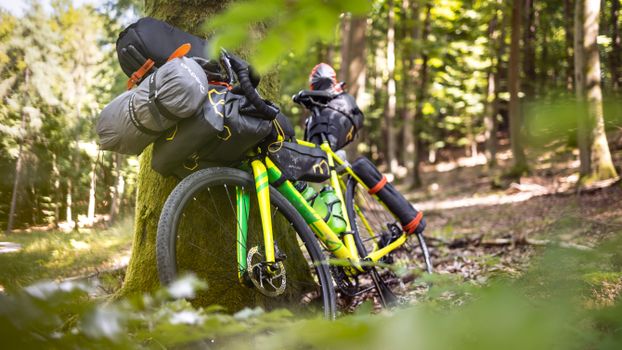
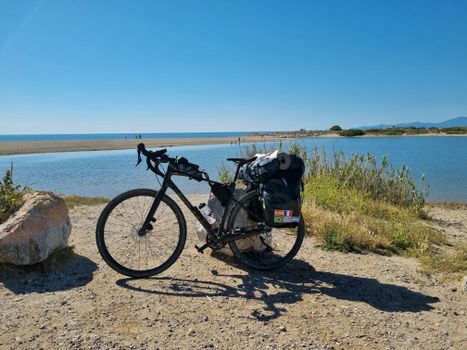
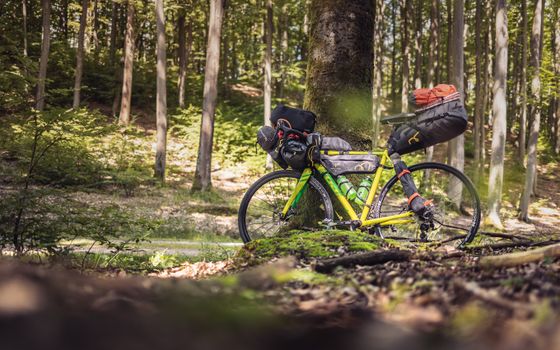
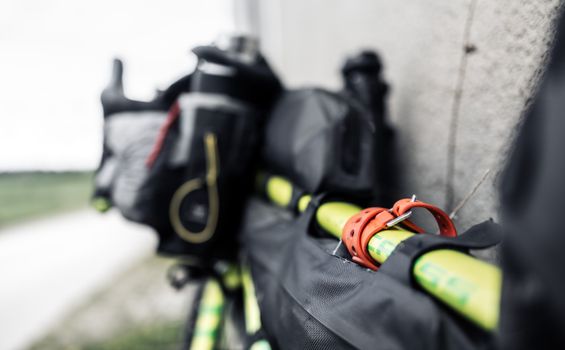
A bike suited to touring typically has a stable frame, reliable gears, wide tyres and mounts for panniers or bags. Have the bike serviced before departure, and carry basic tools and spare inner tubes, along with a pump or repair kit. Learn how to fix a puncture and adjust brakes before you rely on those skills in a remote location. Luggage should be distributed evenly, with heavier items low and close to the frame, to keep handling predictable.
Clothing should be layered and suited to changing weather. Waterproof jackets, padded cycling shorts, gloves and a helmet are standard. Lights are necessary for early departures or late arrivals. Many tourers also carry a small first aid kit, sun protection and a phone with offline maps.
Transport, luggage and logistics
Consider whether you will ride point to point or return to your starting place. Point-to-point routes need transport for the bike and luggage at the end of each day or the end of the route. Some operators provide luggage transfers, while others expect riders to arrange their own. Trains and buses often allow bikes, but policies vary, and bookings may be required in advance. Check the rules for each mode of transport in the countries you plan to visit.
Booking accommodation in advance is sensible during peak seasons, particularly along popular routes. Some riders prefer guesthouses and inns that offer secure bike storage and drying facilities for wet kit.
Safety and etiquette on the road
Ride predictably, use lights and reflective clothing, and follow local traffic rules. On shared paths, be courteous to pedestrians and other cyclists, and slow down in busy areas. Keep your speed under control on descents and check your brakes regularly. Weather can change quickly in mountains and coastal areas, so carry layers and check forecasts before each day.
Let someone know your route and expected arrival times, particularly if you are riding alone or in remote areas. Carry emergency contact information and be aware of how to reach help in each region.
Practical tips
- Choose a route that matches your fitness and experience, and read recent route descriptions.
- Plan shorter daily distances than you think you can manage, and include rest days.
- Service your bike before departure, and carry tools, spare tubes and a repair kit.
- Pack light, distribute weight evenly and use waterproof bags for electronics and clothing.
- Check transport rules for carrying bikes on trains, buses and ferries.
- Book accommodation ahead in busy seasons, and keep offline maps and emergency numbers on your phone.
Bike touring rewards patience and preparation. The routes that look most appealing on a map are not always the best fit for every rider, so balance ambition with honest assessment of your fitness, equipment and time. With a sensible plan, a well-maintained bike and attention to weather and safety, a self-guided tour can be one of the most satisfying ways to see a landscape up close.