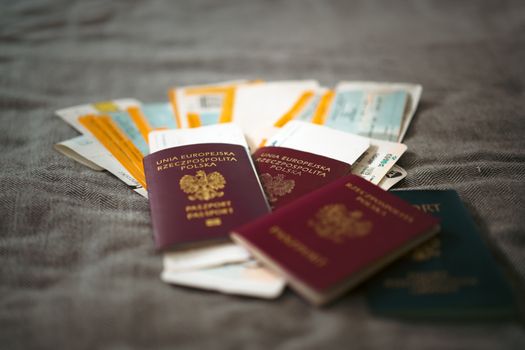
Many trip disasters are quietly decided before booking. A flight is bought, a hotel is paid for, and only then does someone notice that the passport expires too soon, that a transit country has its own visa rules, or that a child needs a document the parents did not bring. The fix is not complicated. It is a checklist, used in the right order, before you spend money.
This guide is built the way a careful planner would work through a client's trip. It covers the checks that prevent the most common problems, and explains why each one matters. It is general information only. Visa and border rules change and depend on nationality, so verify everything with official government sources and your airline.
Step one: confirm who is travelling and on which passport
Start with the basics, written down for every traveller.
- Full name exactly as in the passport. Tickets must match passports. A misspelling or missing middle name can create problems at check-in.
- Nationality and any second nationality. Dual nationals may have to use particular passports to enter certain countries.
- Passport number, issue and expiry dates.
- Residency status. If you live in a country other than the one that issued your passport, you may need residence documents for re-entry.
If any detail is uncertain, resolve it now. Changing names after booking can be costly or impossible.
Step two: test the passport against the destination's rules
Passport rules are the most common reason for denied boarding, and they are easily checked.
- Minimum validity. Many destinations require the passport to be valid for a number of months beyond your intended departure date. Some Schengen countries require a number of months beyond departure, and certain countries ask for six months. Look up the rule for each country on your route.
- Issue date. Some rules also restrict passports issued more than a certain number of years ago.
- Blank pages. A few countries ask for one or more empty pages.
- Physical condition. Torn pages, water damage or a loose cover can cause refusals.
- Renewal time. If you need to renew, check current processing times and avoid booking non-refundable travel until the new passport is in hand.
Step three: check visa and authorisation needs by country
For each country you will enter or transit, use the destination government's official site and your own government's travel advice to answer these questions.
- Is a visa required for my passport and purpose?
- If I am visa-exempt, is an electronic authorisation required?
- What is the maximum stay, and how is it counted?
- Is the visa single or multiple entry?
- How long does processing take, and what documents are required?
Make a simple note for every country: the requirement, the source you checked and the date. If you travel through several countries, list them in order.
Step four: do not forget transit
Transit is where many trips go wrong. A short connection can still involve border rules.
- Airside transit. In some airports, you can change planes without passing through immigration. Some countries still require a transit visa for certain nationalities, even when you remain in the secure area.
- Landside transit. If you must collect bags and recheck them, you enter the country, and entry rules apply.
- Separate tickets. If your flights are not on the same booking, you may need to clear immigration and check in again, which raises the chance of needing an entry permission.
- Long layovers. If you plan to leave the airport during a layover, treat it as a short visit and check the entry requirements.
A good habit is to ask the airline whether your connection is protected and whether bags will be transferred through to the final destination.
Step five: check the rules about length of stay and onward travel
Some countries ask for proof that you will leave. This may be a return ticket or onward travel to another destination. Airlines may check this at check-in, and the rule may apply even if you plan to leave by land or sea.
If you are planning a longer trip, look at how many days you may stay and whether those days are counted over a rolling period. People who travel frequently within a region sometimes overstay by miscounting.
If you are planning to work remotely, volunteer or study, remember that tourist entry rules may not allow it. Digital nomad visas and work permits are separate categories. Ask the relevant embassy rather than assuming.
Step six: health and vaccination requirements
Some destinations ask for proof of vaccination, particularly for travellers arriving from regions where certain diseases are present. Others advise vaccinations without requiring them.
- Consult your government's travel health service or a travel health clinic well in advance, since some vaccinations need several weeks.
- Keep a copy of any vaccination certificate with your travel documents.
- Check if you need specific insurance or medication documentation, especially for prescription medicines. Some countries restrict certain medications, so carry them in original packaging with a doctor's letter if recommended.
This is general information, not medical advice. Speak with a qualified professional about your own situation.
Step seven: travelling with children or as a family
Family travel adds paperwork that is easy to miss.
- Every child needs their own passport. Most countries do not accept children added to a parent's passport.
- Consent letters. If a child is travelling with one parent, a grandparent or another adult, some countries recommend or require a letter of consent from the non-travelling parent or guardians. Rules vary, so check the destination and your home country.
- Birth certificates. Carry a copy, especially if surnames differ between parent and child.
- Custody documents. If relevant, carry the court order or agreement.
- Name consistency. Make sure tickets match passports for each child.
Step eight: build in flexibility and insurance
Because rules and processing times can change, choose booking conditions that give you room to react.
- Book refundable or changeable options until visas and authorisations are confirmed.
- Read travel insurance terms to see what is covered if you are refused boarding, denied entry or must cancel because of document problems. Many policies do not cover errors with documents, so read the exclusions.
- Keep records of any payments, so that you can claim refunds if plans change.
Step nine: assemble the document pack
A day or two before you leave, prepare a pack in both digital and paper form.
- Passport, with at least a photocopy stored separately.
- Visas, electronic authorisations and approval emails.
- Return or onward tickets.
- Accommodation confirmations for the first few nights, including the address.
- Travel insurance details and emergency contact numbers.
- Vaccination certificates and prescriptions, if relevant.
- Proof of funds, in case of a border question.
- Emergency contacts, including your embassy in the destination country.
Store digital copies in an encrypted place and offline on your phone, because mobile signal at borders can be unreliable.
Step ten: the final-week recheck
One week before departure, return to your notes and recheck each official source. Look for changes such as new fees, new forms or temporary restrictions. Check your airline's app for document requirements, and make sure names on your tickets match your passport.
If your trip includes a land border crossing, look at opening hours and the documents that the specific crossing requires. Smaller crossings may have limited hours or specific procedures.
Red flags that deserve a second look
- A website offering visas for a fee far higher than other sources.
- Advice from a forum that contradicts official guidance.
- A confirmation email without a reference number.
- An agent who promises approval in advance, since decisions rest with governments.
- Pressure to pay immediately.
When something looks wrong, go back to the official government site and start again.
Frequently asked questions
How early should I apply for a visa?
As early as the official guidance allows, remembering that processing times vary. Applying too early can be a problem if the visa has a start date, so read the details.
Do I need to check rules for countries I only pass through?
Yes. Transit rules differ from entry rules, and they depend on your nationality and ticket structure.
What documents might a border officer ask for?
Commonly your passport, return ticket, proof of accommodation, proof of funds and details of your trip. Have them accessible, though many travellers are never asked.
Can a travel agent guarantee that I will be allowed in?
No. Agents can guide you, but entry decisions belong to border authorities.
Summary
Border problems are mostly paperwork problems, and paperwork problems are mostly preventable. Before booking, confirm names and nationalities, test the passport against each destination's rules, check visa and authorisation needs for every country including transit, look into health and family-specific requirements, and choose flexible bookings until everything is confirmed. Assemble a document pack, recheck official sources in the final week, and treat any unofficial claim with caution. Rules change, so rely on government sites and your airline for the final word.