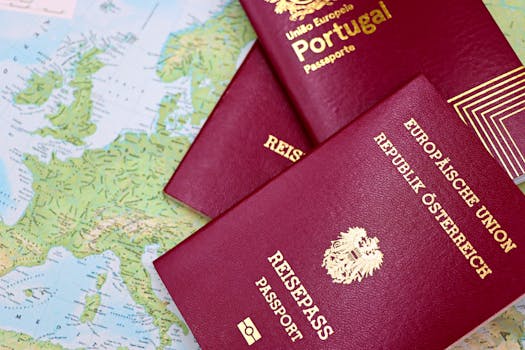
The scent of freshly baked pain au chocolat mingled with the faint, metallic tang of diesel fumes as I stepped off the early morning train in Calais. The air was crisp, carrying the distant cry of seagulls and the low hum of activity from the port. I was on my way to visit friends in the UK, a routine trip I'd made countless times before. My passport was in my usual pocket, my visa tucked neatly inside. Or so I thought. A quick glance at the digital display board near the ferry terminal sent a jolt of unease through me: "New UK Entry Requirements - Effective Immediately." My heart did a little flutter. What new requirements? A quick tap on my phone confirmed my worst fear: a seemingly minor administrative change had just been implemented, requiring a specific supplementary document I hadn't even heard of. Suddenly, the familiar gateway to my UK adventure felt like a potential roadblock.
This isn't a hypothetical scenario; it's the reality of modern international travel. Border policies are fluid, constantly adapting to geopolitical shifts, security concerns, and evolving economic strategies. For us globetrotters, staying informed isn't just about convenience; it's about passport power and ensuring our well-earned holidays aren't scuppered by an unforeseen administrative hurdle. As your trusted travel insider and SEO strategist for Tripsora, I'm here to equip you with the knowledge to navigate these choppy waters.
The Shifting Sands of Global Borders: Why You Need to Pay Attention
Think of border control as a living organism, constantly reacting to its environment. What was true for entry into a country last year, or even last month, might be entirely different today. These changes can range from minor procedural tweaks to complete overhauls of visa policies.
Why the Constant Flux?
- Security Enhancements: Following global events, countries often tighten their borders to enhance national security. This can mean more rigorous checks, new documentation requirements, or even temporary travel bans.
- Economic Diplomacy: Visa policies can be used as a tool for economic leverage. Countries might offer visa-free entry to attract tourism and investment, or impose stricter rules on nations with whom they have trade disputes.
- Reciprocity Agreements: If Country A imposes visa requirements on citizens of Country B, Country B is likely to reciprocate. This can create ripple effects across entire regions.
- Technological Advancements: The rise of e-visas and digital border management systems means policies can be updated and implemented much faster than before.
- Pandemic Preparedness: As we've all learned, global health crises can dramatically alter border entry rules overnight, with ongoing monitoring and potential reintroduction of measures.
Key Border Changes and Visa Requirement Updates to Watch
Staying ahead of the curve means understanding the types of changes that are happening and where to look for them. Here are some of the most impactful areas where you'll see shifts:
1. The Evolving Landscape of E-Visas
E-visas have revolutionized travel, offering a convenient digital alternative to traditional embassy applications. However, their implementation and requirements are also subject to rapid change.
- New Countries Adopting E-Visas: Keep an eye on destinations that are moving towards a fully digital visa application process. This often signifies a desire to boost tourism and simplify entry.
- Changes in E-Visa Fees and Processing Times: The cost and speed of e-visa applications can fluctuate. Some countries may reduce fees to encourage applications, while others might increase them due to demand or operational costs.
- Specific E-Visa Categories: Some nations are introducing more granular e-visa categories for specific purposes (e.g., business, tourism, medical treatment), each with its own set of requirements.
Pro-Tip: Always check the official government immigration website for the country you're visiting. Third-party sites can be helpful for general information but are not always up-to-date. Look for the ".gov" or equivalent domain.
2. Schengen Area Adjustments: Europe's Ever-Changing Rules
The Schengen Area, comprising 27 European countries, operates under a unified visa policy. Changes here have a massive impact on millions of travelers.
- ETIAS (European Travel Information and Authorisation System): This is a big one! The ETIAS, expected to launch soon, will require citizens from visa-exempt countries (like the US, Canada, Australia) to obtain an online travel authorization before entering the Schengen Area. It's not a visa, but a pre-travel screening.
- Visa Application Centre (VAC) Procedures: Expect ongoing refinements in how visa applications are submitted, including appointment systems, biometric data collection, and document verification.
- Short-Stay Visa Rules: While the core rules remain, there can be adjustments to the duration of permitted stays or specific conditions for certain nationalities.
Insider Lingo: "Schengen calculator" is your best friend. Use it to accurately track your 90-day stay within any 180-day period. Don't overstay – it can lead to fines and future entry bans.
3. Visa-Free Travel: Expanding and Contracting Access
The allure of visa-free travel is undeniable, but these agreements are not static.
- New Bilateral Agreements: Countries are constantly negotiating new visa-waiver programs. A new agreement can open up previously inaccessible destinations for your nationality.
- Suspension or Revocation of Visa-Free Status: Conversely, political tensions or security concerns can lead to the suspension or cancellation of existing visa-free arrangements.
Pro-Tip: If you're planning a trip based on visa-free entry, double-check the status of that agreement immediately before booking flights and accommodation.
4. Border Control Enhancements: What to Expect on Arrival
Even if your visa is in order, changes at the physical border can cause delays or require additional steps.
- Increased Biometric Scans: Expect more widespread use of facial recognition and fingerprint scanning at many international airports and land borders.
- Digital Declaration Forms: Many countries are moving towards digital customs and immigration declaration forms, accessible via apps or online portals before arrival.
- Stricter Scrutiny of Entry Intent: Immigration officers may ask more detailed questions about your travel plans, accommodation, and financial means to ensure you are a genuine visitor.
Quick Facts: The "Digital Declaration" Dash
| Feature | Details | Estimated Cost ($) | Best Time to Visit | How to Get There | | :------------------ | :--------------------------------------------------------------------------------------------------------------------------------------- | :----------------- | :----------------- | :------------------------------------------------ | | Digital Forms | Pre-arrival online or app-based forms for customs and immigration. Examples: ArriveCAN (Canada), APIS (USA), various airline/government portals. | $0 | Anytime | Download app/visit website before departure. | | Biometric Scans | Facial recognition, fingerprint scanning. Increasingly common at major international airports and border crossings. | $0 | Anytime | Follow signage at border/airport. | | ETIAS (Schengen)| (Upcoming) Online travel authorization for visa-exempt visitors. | €7 (estimate) | N/A (launching soon) | Apply online via official ETIAS website. |
5. Specific Country Updates: High-Impact Regions
Some regions are more prone to frequent visa and border policy changes due to their geopolitical significance or tourism focus.
- Southeast Asia: Countries like Thailand, Vietnam, and Malaysia frequently review their visa policies to boost tourism. Expect updates on visa-free durations, e-visa availability, and special entry schemes.
- Middle East: The UAE, Saudi Arabia, and Qatar are investing heavily in tourism and often introduce new visa initiatives, including visa-on-arrival for many nationalities and streamlined e-visa systems.
- North America: While generally stable, occasional adjustments to ESTA (USA) or eTA (Canada) processes, or specific border crossing protocols, can occur.
Pro-Tip: For countries with rapidly changing policies, subscribe to their official immigration department's email alerts or follow their social media channels.
6. The "Hidden" Requirements: Things You Might Overlook
Beyond the visa stamp itself, there are often less obvious border requirements that can catch travelers off guard.
- Proof of Onward or Return Travel: Many countries require you to demonstrate that you have a ticket to leave the country. This can be a flight, train, or ferry booking.
- Proof of Sufficient Funds: You may be asked to show evidence of enough money to cover your stay. This can be bank statements, credit card limits, or cash.
- Health Declarations and Vaccination Proof: Depending on global health situations, you might need to complete health declarations or show proof of specific vaccinations.
- Customs Declarations: Be aware of restrictions on bringing certain goods (food, plants, alcohol, tobacco) into a country. Always declare anything that might be questionable.
Insider Lingo: "Sufficient funds" isn't just about having cash. It's about showing a reasonable amount for your intended length of stay and travel style. A few hundred dollars for a week-long luxury stay might raise eyebrows.
Your Proactive Travel Strategy: How to Stay Informed
Complacency is the enemy of the savvy traveler. Here's how to build a robust system for staying updated:
- Bookmark Official Sources: Identify the official immigration and foreign affairs websites for every country on your travel wishlist. Make them your go-to.
- Utilize Reputable Travel News Sites: Follow established travel news outlets that report on visa and border policy changes.
- Leverage Government Travel Advisories: Your home country's foreign affairs department often issues travel advisories that include essential information on visa requirements and safety.
- Join Travel Communities: Online forums and social media groups dedicated to travel can be excellent sources for real-time information and personal experiences.
- Consult Your Embassy/Consulate: For complex situations or last-minute doubts, contacting the embassy or consulate of your destination country is always a reliable option.
- Use a Travel Planning App: Many modern travel apps integrate visa requirement checks, though always cross-reference with official sources.
The thrill of stepping into a new country, the symphony of unfamiliar sounds, the explosion of new flavors – it’s what we live for. But to truly savor those moments, we need to be prepared. By understanding the dynamic nature of border changes and visa requirements, and by adopting a proactive approach to information gathering, you can transform potential travel headaches into seamless journeys. So, pack your bags with confidence, armed with the knowledge that you've done your homework. The world is waiting, and with the right preparation, your next adventure is just a well-informed click away.
---