The Silence is the Soundtrack
I stepped off the train at Zermatt station and stopped dead in my tracks. It wasn't the looming, jagged silhouette of the Matterhorn that caught me off guard—I expected that. It was the sound. Or rather, the lack of it. No idling buses, no screeching tires. Just the faint whirr of an electric taxi and the rhythmic clack-clack of hiking boots on polished stone.
In May 2026, "urban tourism" has undergone a radical surgery. We’ve cut out the congestion and replaced it with oxygen. If you’re tired of dodging Vespas in Rome or choking on exhaust in London, these five car-free sanctuaries are perfecting the art of the slow, walkable escape.
---
1. Zermatt, Switzerland: The Alpine Blueprint
While much of the world is just now debating "low-emission zones," Zermatt has been car-free since long before it was cool. In May, the spring thaw is in full swing. The air tastes like cold minerals and pine needles.
By 2026, the village has perfected its "Smart-Flow" pedestrian system. You won't find a single internal combustion engine here. Instead, tiny, silent electric shuttles—looking like something out of a Kubrick film—zip through the narrow streets.
The Insider Scoop: Don’t just stand on the Kirchbrücke bridge with the tripod-clutching crowds. Instead, head to the Hinterdorfstrasse. It’s a tiny pocket of the village with barns and storehouses dating back to the 16th century. The wood is burnt black by the sun, and in May, the window boxes are just starting to explode with red geraniums.
- Pro-Tip: Take the Gornergrat railway at 7:00 AM. By 2026, they’ve introduced "Silent Coaches" where digital devices are muted. You’ll watch the sunrise hit the Matterhorn peak in total, meditative silence.
---
2. Ghent, Belgium: The Rebel’s Masterclass
While Bruges gets the Instagram fame, Ghent has the soul—and the largest car-free city center in Europe. Since the 2017 Mobility Plan, Ghent has transformed from a congested hub into a labyrinth of "living streets."
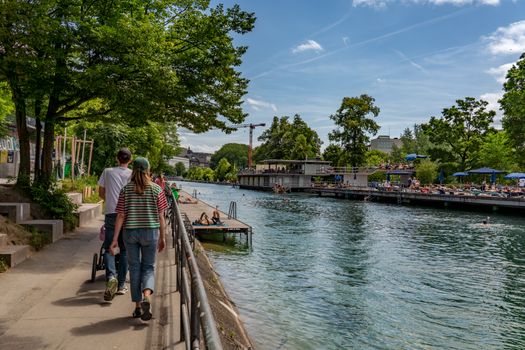
In May 2026, the city’s canal-side "beach" areas are opening for the season. Walking through the Graslei and Korenlei, you aren't fighting traffic; you’re navigating a sea of bicycles and outdoor café tables. The architecture is a jagged, Gothic fever dream, but the vibe is purely modern.
The Insider Scoop: Most tourists stick to the Castle of the Counts (Gravensteen). Skip the midday line. Instead, find the "Hidden Graffiti Alley" (Werregarenstraat). In 2026, it remains a legal canvas for street artists. It’s a sensory explosion of spray paint scent and neon colors that contrasts wildly with the medieval stone just a block away.
- Pro-Tip: Rent a "water taxi" (electric, of course) at dusk. The city’s lighting plan is award-winning; the way the lights hit the water without the glare of car headlights is a photographer’s dream.
---
3. Venice, Italy: Navigating the "Contributo di Accesso"
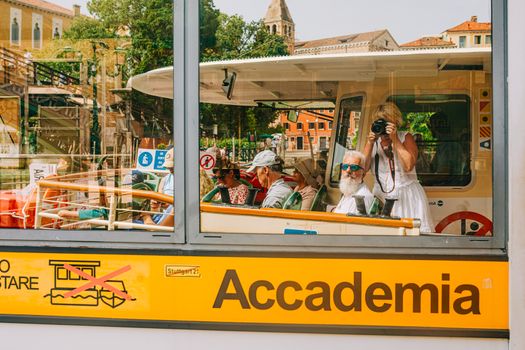
Venice is the OG of car-free living, but by May 2026, it has perfected the "Quality over Quantity" model. The new access fee system (Contributo di Accesso) is fully digitalized. You don't just "show up" in Venice anymore; you check in via the city’s app, which manages foot traffic in real-time to prevent the dreaded "St. Mark's bottleneck."
May is the sweet spot. The acacia trees on the Lido are blooming, and the lagoon breeze hasn't yet turned into the humid weight of July.
The Insider Scoop: Ditch the Rialto. Head to the Cannaregio district, specifically the area around the Jewish Ghetto. This is where Venetians actually live. The streets are wider, the "Cicchetti" (small snacks) are cheaper, and the only traffic you’ll encounter is a delivery boat unloading crates of artichokes from the island of Sant'Erasmo.
- Pro-Tip: Look for the "blue door" near the Church of Madonna dell'Orto. It leads to a semi-private garden that most tourists walk right past. It’s the quietest spot in the city.
---
4. Fes el Bali, Morocco: The World’s Largest Pedestrian Zone
Fes el Bali is a sensory riot that no car could ever navigate. With over 9,000 narrow alleys, the "traffic" here consists of donkeys laden with spices and hand-woven rugs. In May, the intense summer heat hasn't yet arrived, making the four-mile trek through the Medina manageable.
By 2026, Fes has integrated "Augmented Reality Wayfinding." You can use your glasses or phone to overlay historical data on the crumbling Merenid tombs, ensuring you don't get too lost in the maze.
The Insider Scoop: The Chouara Tannery is the famous shot, but the smell can be brutal. Insider secret: Go to the Nejjarine Museum of Wooden Arts & Crafts. The rooftop café offers a panoramic view of the Medina's minarets and satellite dishes without the pungent aroma of the tanneries. Order the mint tea—it’s brewed with "Sheeba" (wormwood) in the cooler months, giving it a bitter, sophisticated edge.
- Pro-Tip: If a local tells you "this way is closed," they are likely trying to divert you to their uncle’s carpet shop. Trust your GPS or a licensed guide.
---
5. Ljubljana, Slovenia: The Green Soul of Europe
Ljubljana didn't just ban cars; they planted a forest. The city center has been car-free for over a decade, and by May 2026, the "Kavalir" (Gentle Helper) electric vehicle fleet has expanded. These are free, green shuttles that pick up anyone—locals or tourists—who finds the walk a bit too long.
The city feels like a giant outdoor living room. The Ljubljanica River is lined with willow trees and "Library under the Treetops" stations where you can grab a book and sit on a public bench for hours without being asked to move.
The Insider Scoop: Walk up to the Castle, but don't take the funicular. Take the Reber path. It’s a steep set of stairs and narrow paths that wind through the old city's backyard gardens. You’ll see locals hanging laundry and smelling the jasmine that covers the walls in May.
- Pro-Tip: Visit the Metelkova Mesto at night. It’s an autonomous social center in former military barracks. It’s car-free, covered in mosaics, and hosts the best underground music in the Balkans.
---
Logistics & Budget: May 2026 Quick Facts
| City | Est. Daily Cost ($) | Best Way to Get There | Top "Car-Free" Perk | | :--- | :--- | :--- | :--- | | Zermatt | $250+ | Train from Zurich/Geneva | Total mountain silence; 100% EV shuttles. | | Ghent | $120 - $180 | Train from Brussels (30m) | Massive bicycle highway system; boat taxis. | | Venice | $150 - $300 | Train to Venezia Santa Lucia | Zero engine noise; 24/7 water bus (Vaporetto). | | Fes | $60 - $110 | Fly into Fes-Saïss (FEZ) | True medieval immersion; no wheels allowed. | | Ljubljana | $90 - $140 | Fly into Jože Pučnik (LJU) | Free "Kavalir" EV shuttles; riverfront cafes. |
---
The Verdict: Why May 2026?
We are living in the "Post-Driver" era of travel. In May 2026, these cities aren't just destinations; they are proofs of concept. They prove that when you remove the 2,000-pound metal boxes from the equation, the "human" part of the city finally has room to breathe.
Pack your most comfortable sneakers (I recommend the 2026 Allbirds "Trail-Walker" series) and leave the GPS car-charger at home. You won't need it where we're going.
---