The Earth's Embrace: My First Taste of True Cave-Aged Magic
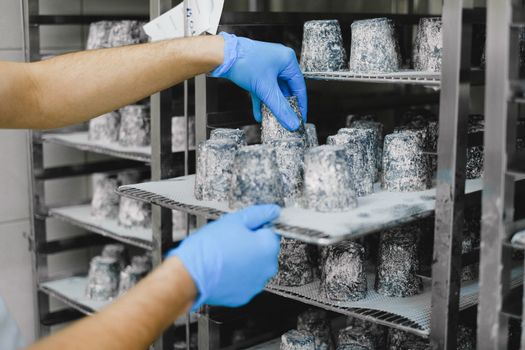
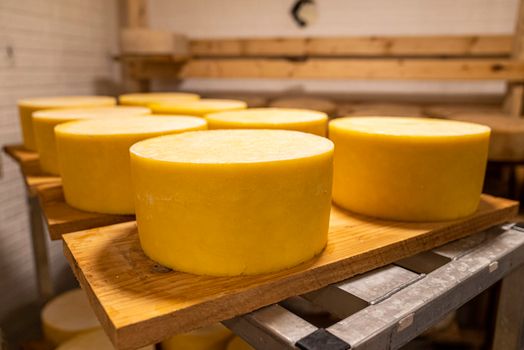
I stepped off the train in a small, unassuming village in the French Alps, the air crisp and carrying the faint, intoxicating perfume of damp earth and something… richer. A hint of fermentation, a whisper of aged milk. It was the scent that had drawn me here, a promise of a culinary pilgrimage to a place where cheese doesn't just mature, it evolves. I was on the hunt for cheese caves, those hushed, subterranean sanctuaries where time and nature conspire to create edible masterpieces. And this year, a whole new wave of these hidden gems are opening their doors, offering a taste of something truly extraordinary.
The Rise of the "New Wave" Cheese Caves
For centuries, cheese caves have been the silent partners in the creation of some of the world's most celebrated cheeses. Think of the ancient grottos of Roquefort or the cool, damp cellars beneath Gruyère. But something exciting is happening. A new generation of cheesemakers and entrepreneurs are rediscovering and reimagining these natural aging environments. They're not just preserving tradition; they're innovating, experimenting with unique microclimates, indigenous molds, and heritage breeds to produce cheeses that are both deeply rooted and thrillingly new. This isn't about mass production; it's about artisanal passion, a dedication to place, and a profound respect for the alchemy of cheese aging.
Unearthing the Treasures: 5 Emerging Cheese Caves to Explore This Year
This year's crop of emerging cheese caves offers a diverse range of experiences, from rustic, natural formations to meticulously designed, modern cellars. Each one promises a journey into the heart of cheese-making, a chance to connect with the land and the craft.
1. The Alpine Whisper: "Grotte des Saveurs" (French Alps)
Nestled high in the Savoie region, the "Grotte des Saveurs" (Cave of Flavors) is an absolute revelation. It’s not a purpose-built structure, but a series of naturally occurring limestone caves, carved by ancient glaciers. The air here is exceptionally humid, around 95%, and the temperature hovers a consistent 10°C (50°F).
What to Expect: This cave specializes in washed-rind cheeses, but with a unique twist. They’re using local Alpine herbs, foraged from the surrounding meadows, to gently brush the rinds during maturation. Imagine a Reblochon that carries the subtle floral notes of gentian or a Comté that whispers of wild thyme. The tasting experience is intimate, often held in a small, naturally formed alcove within the cave itself. You'll be guided through a flight of cheeses, each paired with local wines or crisp ciders.
Pro-Tip: The entrance to the main tasting area is deceptively small. Look for the weathered wooden door with a single carved Edelweiss flower. Arrive for the morning tour (9 AM) to experience the quietest, most serene atmosphere.
Insider Lingo: They call the specific herbal brushings "le brossage des fées" – the fairies' brushing – a nod to the magical transformation the herbs impart.
---
2. The Volcanic Veins: "Grotta del Vulcano" (Sicily, Italy)
Deep beneath the fertile slopes of Mount Etna, the "Grotta del Vulcano" is a testament to the power of volcanic landscapes. These caves are formed from ancient lava tubes, offering a unique mineral-rich environment. The air is drier than in the Alps, around 85% humidity, with a slightly warmer temperature of 13°C (55°F).
What to Expect: This cave focuses on sheep’s milk cheeses, drawing inspiration from traditional Sicilian recipes but with a modern edge. They are particularly known for their "Etna Rosso," a semi-hard cheese aged in barrels that have previously held Nero d'Avola wine, giving it a deep ruby hue and complex, fruity notes. Another standout is their "Pecorino Vulcanico," which incorporates a touch of local pistachios and a whisper of chili pepper, reflecting the island's bold flavors. Tastings often include local olive oils and sun-dried tomatoes.
Pro-Tip: The tasting room is a repurposed section of the lava tube, surprisingly well-lit with strategically placed LED lights that highlight the natural rock formations. Wear sturdy, non-slip shoes, as the ground can be uneven. The best time to visit is late afternoon, around 3 PM, when the residual heat from the day makes the short trek to the cave entrance more pleasant.
Quick Facts: Grotta del Vulcano
| Category | Details | Estimated Cost ($) | | :------------------ | :------------------------------------------- | :----------------- | | Location | Near Nicolosi, Sicily, Italy | N/A (village) | | Best Time to Visit | Spring (April-May) or Autumn (September-October) | | | How to Get There | Fly into Catania (CTA). Rent a car (approx. 45 min drive). | Car Rental: $30-50/day | | Tasting Tour | Guided tour with cheese and local product pairings | $40 - $60 per person | | Accommodation | Agriturismo or boutique hotel near Nicolosi | $80 - $150/night |
---
3. The Swiss Secret: "Stollenkäse" (Emmental, Switzerland)
Switzerland, the land of cheese legends, is also home to some of the most innovative new caves. "Stollenkäse" (Cellar Cheese) is a relatively new venture, utilizing abandoned Cold War-era bunkers, repurposed and meticulously controlled for optimal cheese aging. The environment is remarkably stable: 12°C (54°F) and 90% humidity.
What to Expect: This is where you'll find a truly avant-garde approach to traditional Swiss cheeses. Think Gruyère aged with specific strains of Penicillium roqueforti for a subtle blue veining, or an Emmental with an unexpectedly creamy, almost fudgy texture. They’re also experimenting with aging cheeses in casks that previously held Swiss kirsch or aged absinthe, imparting unique aromatic layers. The tasting is a sophisticated affair, often held in a modern, minimalist tasting room adjoining the bunker entrance, complete with detailed explanations of the aging process.
Pro-Tip: The entrance to the bunker is marked by a discreet, unmarked steel door. You'll need to book well in advance, as tours are extremely limited to maintain the delicate aging environment. The absolute best time to visit is during the early morning hours, between 8 AM and 10 AM, when the bunker is at its most quiescent.
Insider Lingo: The cheesemakers refer to the precise control of the bunker's atmosphere as "die Präzision der Tiefe" – the precision of the depth.
---
4. The Coastal Caves: "Grotto Atlântico" (Atlantic Coast, Portugal)
Venturing to Portugal, the "Grotto Atlântico" offers a unique maritime take on cheese aging. These are sea caves, naturally carved by the Atlantic tides, but carefully adapted to create a controlled environment. The air is salty and cool, with fluctuating humidity that they’ve learned to manage, typically around 88% and 11°C (52°F).
What to Expect: This cave is renowned for its "Queijo do Mar" (Cheese of the Sea), a semi-hard cheese made from local Azorean milk, washed with sea salt and a hint of local white wine. The aging process imbues the cheese with a subtle briny character and a firm, yet yielding texture. They also produce a unique "Queijo de Algas" (Seaweed Cheese), where edible seaweed is incorporated into the rind, adding a delicate umami depth. Tastings are held on a small platform overlooking the ocean, with the sound of waves providing a natural soundtrack.
Pro-Tip: Access to the tasting area requires a short, guided walk along a coastal path. Wear waterproof footwear, as the path can be slippery. The hidden entrance is a narrow opening in the cliff face, only accessible at low tide. Aim for the mid-morning slot (10 AM) to catch the best light and ensure access.
Authenticity Check: The cheesemakers use traditional tools carved from driftwood and brine collected from specific tidal pools known for their purity.
---
5. The Underground Vineyard: "Celler de Vin" (Penedès, Spain)
In the heart of Spain's famous Penedès wine region, a new venture is bridging the worlds of wine and cheese. "Celler de Vin" (Cellar of Wine) utilizes old, abandoned wine cellars, naturally cool and humid (12°C / 54°F, 90% humidity), to age cheeses specifically designed to complement local Cava and still wines.
What to Expect: This cave focuses on a range of milk types – cow, sheep, and goat – but with a distinct Iberian flair. Their signature cheese is a "Manchego-style" aged in barrels that previously held aged Cava, giving it a delicate effervescence on the palate and notes of brioche. They also produce a creamy goat cheese infused with local saffron, offering a beautiful golden hue and a subtle, earthy sweetness. Tastings are a masterclass in wine and cheese pairing, showcasing how the unique cellar environment enhances both.
Pro-Tip: The tasting room is a beautifully restored section of the original wine cellar, with exposed stone walls and vaulted ceilings. The "secret" entrance to the aging cellars is behind a large, ornate wine barrel. Visit in the early afternoon (1 PM) for a relaxed tasting experience, often accompanied by live Spanish guitar music.
Insider Lingo: They describe the cheese's affinity with wine as "la danza de los sabores" – the dance of the flavors.
---
Planning Your Cave Adventure: Key Considerations
Visiting these emerging cheese caves is more than just a tasting; it's an immersion. Here's what you need to know to make your trip seamless and spectacular.
Booking is Crucial: These are often small, artisanal operations. Tours are frequently limited in size and frequency. Book your tasting experiences weeks, if not months, in advance, especially if you're traveling during peak season.
What to Wear: Comfort and practicality are key. Think layers, as cave temperatures are cool year-round. Sturdy, closed-toe shoes with good grip are essential as cave floors can be uneven, damp, and sometimes slippery.
Dietary Needs: If you have allergies or dietary restrictions, inform the cave operators when you book. Many offer alternative pairings or can adjust tasting menus.
Transportation: Many of these caves are located in rural or semi-rural areas. Renting a car is often the most convenient option, giving you the flexibility to explore the surrounding region. Check if tours offer pick-up from local towns or train stations.
Respect the Environment: These caves are delicate ecosystems. Follow your guide's instructions carefully, avoid touching the cheese unless invited to, and refrain from using flash photography, which can damage the microflora.
Beyond the Cave: Embracing the Local Culture
Your cheese cave adventure is an excellent springboard for exploring the wider region.
- Local Markets: Seek out local markets to find the cheeses you tasted, along with other regional specialties.
- Farm Visits: Many of these operations are linked to local dairies. See if you can arrange a visit to the farm where the milk is produced.
- Culinary Workshops: Look for workshops that teach you how to cook with local cheeses or pair them with regional wines and spirits.
- Scenic Drives: The landscapes surrounding these caves are often breathtaking. Plan for scenic drives, hikes, or walks to fully appreciate the terroir.
The Future is Aged: Why You Need to Experience This Now
The world of cheese is constantly evolving, and these emerging cheese caves represent the cutting edge of that evolution. They offer a unique opportunity to taste cheeses that are not yet widely known, to discover the passion of dedicated artisans, and to connect with the earth in a deeply visceral way. This isn't just about eating cheese; it's about understanding its journey, its story, and its profound connection to place. So, pack your bags, prepare your palate, and get ready to descend into a world of flavor that’s literally been ages in the making.
---