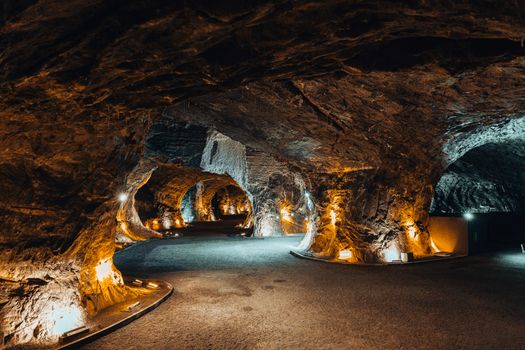
The Earth's Delicious Secret: My Spring Pilgrimage to the World's Best Cheese Caves
I stepped off the train and into a hush that felt ancient, broken only by the distant bleating of sheep. The air, crisp and carrying the faintest hint of damp earth and something profoundly cheesy, was a stark contrast to the bustling city I’d left behind. This was not just a trip; it was a descent into a living, breathing larder, a place where time and terroir converge to create edible magic. This spring, the world’s most captivating cheese caves are calling, and I’m here to guide you to their deliciously guarded secrets.
For too long, the romance of aging cheese has been confined to dark, humid cellars, accessible only to the cheesemakers themselves. But the tide is turning. A growing movement of passionate artisans is opening their doors, inviting curious palates on a journey through history, tradition, and unparalleled flavor. This is your chance to witness the alchemy of cheese, from its humble beginnings to its complex, nuanced maturity, all while bathed in the cool, earthy embrace of a cave.
Unearthing the Trend: Why Cheese Caves are Spring's Hottest Culinary Destination
This spring, there's a palpable buzz around experiences that are authentic, immersive, and deeply rooted in local culture. Cheese caves tick all these boxes and then some. Imagine:
- Sensory Immersion: The distinct aroma of aging cheese is unlike anything else – a complex symphony of earthy, nutty, and sometimes even floral notes.
- Living History: Many of these caves have been used for centuries, echoing with the footsteps of generations of cheesemakers.
- Artisanal Craftsmanship: You're not just tasting cheese; you're tasting the culmination of meticulous care, patience, and time-honored techniques.
- The "Wow" Factor: There’s an undeniable mystique to exploring underground chambers, a sense of discovery that’s perfect for those seeking unique travel stories.
Let’s dive into the caves that are setting the culinary world alight this spring.
1. The Loire Valley's Truffle-Scented Secret: Caves de Touraine (France)
My first stop in the Loire Valley wasn't for wine, but for something far more primal: cheese. The region, famous for its châteaux, also hides a treasure trove of underground cellars, some carved directly into the soft tufa rock. Caves de Touraine is more than just a cave; it’s a living museum of cheese aging.
The Experience: As you descend, the temperature drops, and the air thickens with the unmistakable scent of aging goat cheese, particularly the region's iconic Crottin de Chavignol and Sainte-Maure de Touraine. The walls are lined with racks, each holding wheels of cheese at various stages of maturation. The soft glow of strategically placed lights illuminates the velvety rind of a perfectly aged cheese, while the gentle drip of water from the cave ceiling creates a rhythmic, almost meditative soundtrack.
Pro-Tip: Visit during the late morning (10 AM - 12 PM). This allows you to see the cheesemakers actively tending to the cheeses and offers a chance for a more intimate tasting session before the main lunch crowds arrive. Look for the small, unmarked wooden door tucked away beside a vineyard – that's your entrance!
Tasting Notes & Insider Secrets
The tasting here is a revelation. You'll often start with a young, creamy goat cheese and work your way up to a mature, firm cheese with a pronounced nutty flavor and a delightful crystalline texture. The humidity of the cave plays a crucial role, developing a unique rind that contributes to the cheese's depth.
- Insider Language: Ask about the "affinage" – the aging process. The best caves will explain how they control humidity, temperature, and even the brushing of the rinds.
- Local Pairing: This is prime territory for Sancerre or Pouilly-Fumé. The crisp minerality of the Sauvignon Blanc cuts through the richness of the goat cheese beautifully.
Quick Facts: Caves de Touraine
| Category | Details | | :------------------ | :-------------------------------------------------- | | Estimated Cost | €20-€40 per person (for tasting and tour) | | Best Time to Visit | Spring (April-May) for pleasant weather and fewer crowds | | How to Get There | Train from Paris to Tours, then local bus or rental car to the specific village. | | Booking Advised? | Highly Recommended, especially for private tastings. |
2. The Alpine Majesty: Gruyère Cheese Cellars (Switzerland)
Switzerland is synonymous with cheese, and a visit to the heart of Gruyère production is a pilgrimage for any true cheese aficionado. While the modern production facilities are impressive, the real magic happens in the traditional aging cellars, carved deep into the mountainside.
The Experience: Imagine stepping into a cool, stone labyrinth where the air is alive with the rich, complex aroma of aging Gruyère AOP. These caves are the birthplace of a cheese that has graced tables for centuries. The sheer scale of some of these cellars is awe-inspiring, with towering stacks of massive wheels, each bearing the mark of its origin. You'll see the careful turning and brushing of the rinds, a ritual that ensures the development of its distinctive flavor.
Pro-Tip: Aim for a weekday morning (9 AM - 11 AM). The cellars are vast, but guided tours can fill up. Booking your tour in advance is essential. Look for tours that emphasize the traditional methods and allow you to see the "molars" – the large, circular molds used for shaping.
Tasting Notes & Insider Secrets
The tasting here is a journey through the age of Gruyère. A young Gruyère is smooth and slightly sweet, while a well-aged one develops a wonderfully nutty, almost caramel-like flavor with a delightful crystalline crunch. The mineral-rich water that often seeps into these mountain caves is said to contribute to the cheese's unique character.
- Insider Language: Ask to try "Gruyère Réserve" – this indicates a cheese aged for a minimum of 12 months, often longer, and is a testament to patience and quality.
- Local Pairing: Don't miss a pairing with a Swiss white wine like a Chasselas, or for something bolder, a light-bodied Pinot Noir.
Quick Facts: Gruyère Cheese Cellars
| Category | Details | | :------------------ | :-------------------------------------------------- | | Estimated Cost | CHF 25-50 per person (for tasting and tour) | | Best Time to Visit | Spring (April-May) for pleasant hiking weather and lower tourist numbers. | | How to Get There | Train to Gruyères station, then a short walk or bus ride. | | Booking Advised? | Essential, especially for popular tasting experiences. |
3. The Volcanic Embrace: Salumeria Roscioli's Underground Cellar (Rome, Italy)
Yes, Rome! Beyond the Colosseum and the Vatican, a culinary revolution is brewing beneath the ancient city. Salumeria Roscioli, a renowned delicatessen and restaurant, boasts an incredible underground cellar that transports you to a world of cured meats and, of course, exceptional cheeses.
The Experience: Descending into Roscioli's cellar is like stepping into a Roman treasure vault, but instead of gold, it's filled with the promise of exquisite flavors. The air is cool, still, and carries the intoxicating aroma of aging Pecorino Romano, Parmigiano Reggiano, and a selection of regional Italian specialties. The brickwork and ancient stone speak of a history that predates modern Rome.
Pro-Tip: Book a "Cheese and Wine Pairing" experience. These are often held in the late afternoon or early evening. Arrive 15 minutes before your reservation to soak in the atmosphere. Ask your sommelier about the "ferro" – the small, metallic taste that can develop in well-aged Pecorino.
Tasting Notes & Insider Secrets
This is where you’ll taste Italian cheese at its absolute finest, expertly paired with Italian wines. Expect to explore the sharp, salty intensity of aged Pecorino, the complex nuttiness of Parmigiano Reggiano aged for 36 months, and perhaps some lesser-known but equally divine regional gems. The cellar’s controlled environment is crucial for these masterpieces.
- Insider Language: Ask for cheeses that have been aged in "grotta" (cave) or "cantina" (cellar) for a truly traditional experience.
- Local Pairing: The sommelier will likely guide you through pairings with wines like a robust Chianti Classico Riserva, a Barolo, or even a crisp Verdicchio.
Quick Facts: Salumeria Roscioli Cellar
| Category | Details | | :------------------ | :-------------------------------------------------- | | Estimated Cost | €50-€100+ per person (for tasting and pairing) | | Best Time to Visit | Spring (April-May) for milder weather and fewer tourists in Rome. | | How to Get There | Located in the heart of Rome, easily accessible by metro or bus. | | Booking Advised? | Absolutely Essential. Roscioli is extremely popular. |
4. The Unexpected Depths: Cheddar Gorge Caves (England)
While not exclusively a cheese aging cave in the traditional sense, the Cheddar Gorge caves in Somerset offer a unique and historically significant connection to cheese. This is the birthplace of the world-famous Cheddar cheese, and you can still witness its aging process in the naturally cool, humid environment of the gorge's caves.
The Experience: Imagine walking through the dramatic Cheddar Gorge, a landscape carved by prehistoric rivers. Tucked within this natural wonder are caves where Colston Bassett Stilton and Montgomery's Cheddar are aged. The air is cool and moist, carrying the earthy scent of ripening cheese. You'll see the distinctive Cheddar wheels, some with a natural, crumbly rind, maturing in the darkness.
Pro-Tip: Visit the show caves during the day (10 AM - 2 PM) for the full geological experience, then seek out the specific cheese aging caves (often with private tours available) in the late afternoon. Look for signage indicating "Cheddar Cheese Aging" – these are usually separate from the main tourist cave entrances.
Tasting Notes & Insider Secrets
The aging in these caves imparts a unique character to the cheese. The consistent temperature and high humidity create a slightly softer texture and a more complex, tangy flavor profile, especially in the traditional Cheddar. The Stilton, with its blue veins, also benefits from the cave's specific microclimate.
- Insider Language: Ask about the "terroir" of the gorge – how the unique mineral composition of the rock and the specific moisture levels influence the cheese’s flavor.
- Local Pairing: Pair with a local Somerset cider or a robust English ale.
Quick Facts: Cheddar Gorge Caves
| Category | Details | | :------------------ | :-------------------------------------------------- | | Estimated Cost | £20-£35 per person (for cave entry and cheese tasting) | | Best Time to Visit | Spring (April-May) for blooming wildflowers and milder weather. | | How to Get There | Train to Bristol or Weston-super-Mare, then a bus or taxi to Cheddar. | | Booking Advised? | Recommended for dedicated cheese tasting experiences. |
5. The Mediterranean Whisper: Pecorino Caves of Sardinia (Italy)
Sardinia, the rugged Mediterranean island, is a land of ancient traditions and incredible food. Its sheep's milk cheeses, particularly Pecorino Sardo, are legendary, and the island's natural caves play a vital role in their maturation.
The Experience: While not as widely publicized as some mainland caves, many smaller, family-run farms in Sardinia utilize natural caves or specially constructed underground cellars for aging their Pecorino. The air here is often infused with the scent of wild herbs and the salty tang of the Mediterranean breeze, mingling with the sharp, nutty aroma of aging sheep's cheese. You'll find wheels of Pecorino, some with a straw-colored rind, others with a darker, more robust exterior, each telling the story of its unique aging environment.
Pro-Tip: This requires a bit more "off-the-beaten-path" exploration. Rent a car and drive through the rural interior. Stop at agriturismos (farm stays) and ask directly about their cheese-making and aging processes. Early mornings are best for observing farm activity.
Tasting Notes & Insider Secrets
Sardinian Pecorino is known for its intense, pungent flavor, which varies greatly depending on the age. A young Pecorino will be semi-firm and milky, while an aged one becomes hard, crumbly, and intensely savory with a spicy finish. The island’s unique flora also subtly influences the milk and thus the cheese.
- Insider Language: Ask for "Pecorino Sardo DOP stagionato" (aged) or "Pecorino Sardo DOP extra stagionato" (extra aged).
- Local Pairing: Sardinia is home to unique wines like Vermentino di Sardegna (a crisp white) or Cannonau di Sardegna (a robust red).
Quick Facts: Sardinia Pecorino Caves
| Category | Details | | :------------------ | :-------------------------------------------------- | | Estimated Cost | €15-€30 per person (for farm visit and tasting) | | Best Time to Visit | Spring (April-May) for pleasant temperatures and blooming wildflowers. | | How to Get There | Fly into Cagliari or Olbia, then rent a car to explore the interior. | | Booking Advised? | Essential for farm visits; arrange directly with the agriturismo. |
Planning Your Spring Cheese Cave Adventure
This spring, elevate your travel by diving into the world of cheese caves. It’s an experience that engages all your senses, connects you to tradition, and offers a truly unique culinary adventure.
Key Considerations for Spring Travel:
- Weather: Spring offers a sweet spot – pleasant temperatures for travel, blooming landscapes, and generally fewer crowds than peak summer.
- Availability: Many artisanal producers are in full swing after the winter, with cheeses ready for their prime.
- Booking: As these experiences gain popularity, booking in advance is crucial, especially for guided tours and tastings.
What to Pack:
- Comfortable Walking Shoes: You'll be exploring caves and potentially rural landscapes.
- Light Layers: Caves are cool, but the journey to them can be warmer.
- An Appetite and an Open Mind: This is about discovery!
So, this spring, trade the crowded beaches for the cool, earthy embrace of a cheese cave. It’s a journey into flavor, history, and the pure, unadulterated joy of exceptional cheese. Your taste buds (and your Instagram feed) will thank you.