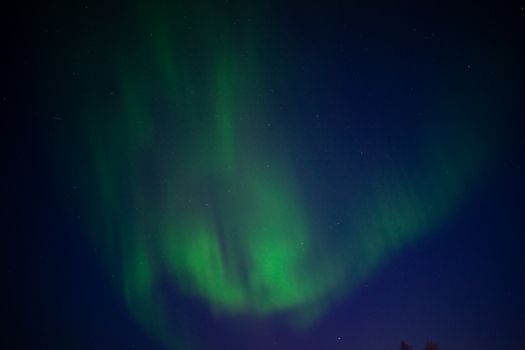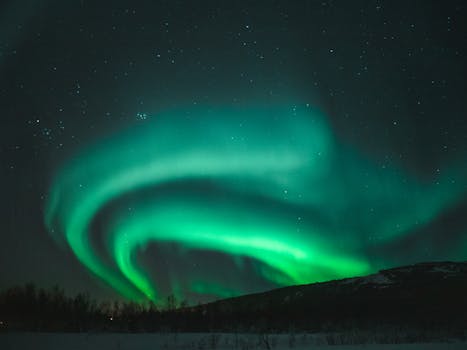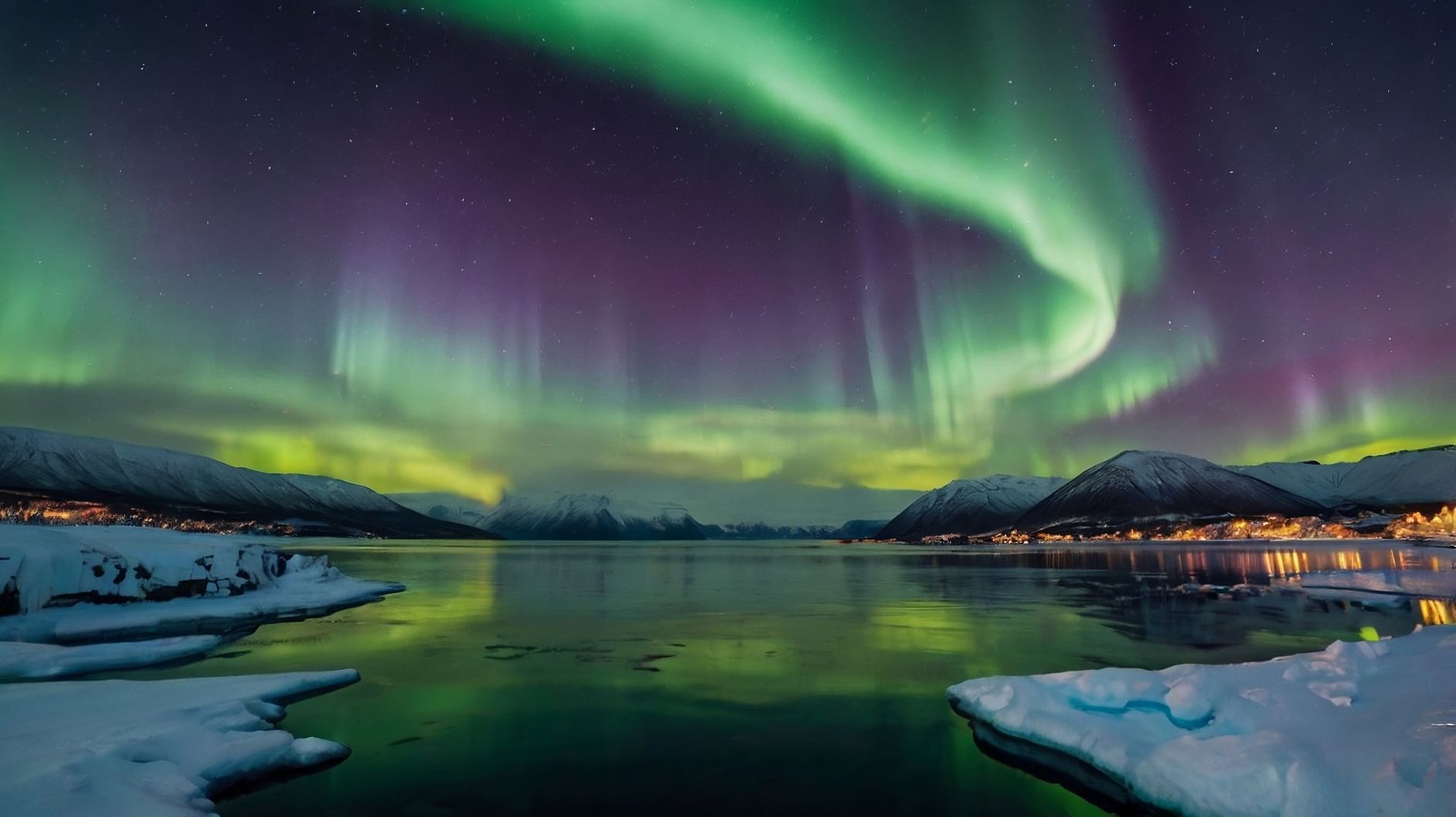
I stepped off the train, the crisp Arctic air biting at my cheeks, carrying the faint scent of pine and something wild, something ancient. The platform was deserted, save for a lone husky tied to a post, its breath misting in the twilight. This was it. Not the bustling airport arrivals hall, not the minivan drop-off point, but this quiet, snowy station in a village I'd only seen on obscure travel blogs. This was the start of my quest for the Northern Lights, and crucially, for a way to see them without the throngs of tour buses. Spring, I discovered, is the secret season for this kind of intimate magic.
The Aurora's Spring Awakening: Why Now?
Forget the peak winter months. While undeniably stunning, those months also mean peak crowds. Spring, however, offers a unique sweet spot. The days are lengthening, offering more daylight for exploration and local immersion, while the nights remain dark enough for the aurora to perform its celestial ballet. Plus, the snowpack often provides a magical, pristine landscape, and many destinations see a dip in visitor numbers before the summer rush. It’s the season of transition, of thawing landscapes and a hushed anticipation for nature's grandest spectacle.
Pro-Tip: Embrace the Shoulder Season
The magic of spring aurora viewing lies in its subtlety. You're not just chasing the lights; you're experiencing a region coming alive. This means fewer queues at local bakeries, more genuine interactions with locals, and a sense of discovery that’s often lost in peak season.
1. Lofoten Islands, Norway: Beyond the Postcard Perfect
Everyone knows Lofoten. The dramatic peaks, the red rorbu cabins – it’s the stuff of Instagram dreams. But what they don’t always know is how to experience it away from the tour bus routes, especially in spring. My secret? Vågan municipality, specifically the villages of Kabelvåg and Henningsvær, but with a twist.
Instead of the main parking lots, I found myself on a windswept cliffside, a good 20-minute hike from the nearest village, with only the cry of seagulls for company. The aurora, when it finally unfurled, was a silent, shimmering curtain that seemed to stretch from one end of the horizon to the other, reflected in the still, inky waters below.
Insider Scoop: The Coastal Trails
Rent a car and explore the smaller, unpaved coastal trails that snake between villages. Many offer stunning viewpoints that are rarely visited by larger groups. Look for signs pointing to local fishing spots or abandoned farmsteads – these often lead to the most secluded vantage points.
Quick Facts: Vågan, Lofoten
- Estimated Cost ($$): Moderate to High (accommodation and car rental are key expenses)
- Best Time to Visit (Spring): Late March to early May
- How to Get There: Fly into Leknes (LKN) or Svolvær (SVJ) airports, or take a ferry from Bodø. Renting a car is highly recommended for flexibility.
2. Abisko National Park, Sweden: The "Blue Hole" Effect, Minus the Hordes
Abisko is legendary for its "blue hole" – a microclimate that often keeps the skies clear, even when surrounding areas are cloudy. While the Aurora Sky Station is a popular (and understandably so) destination, it’s not the only way to experience Abisko’s magic.
My personal favorite spring escape here is to stay in a remote cabin along the shores of Lake Torneträsk, a good 15-20 kilometers outside the main Abisko village. Waking up to the sight of ice floes drifting on the vast lake, with the snow-capped mountains as a backdrop, is breathtaking. And at night, stepping out onto your private deck, with no light pollution and only the vast Arctic sky above, is pure bliss.
Pro-Tip: Embrace the Silence
Book a cabin with a private sauna. There’s nothing quite like soaking in the heat, the scent of birch wood filling the air, and then stepping out into the freezing night to witness the aurora dance. It’s a sensory overload of the most sublime kind. Look for accommodations that emphasize "eco-tourism" or "wilderness cabins."
Quick Facts: Abisko (Remote Cabins)
- Estimated Cost ($$): Moderate (cabins can range from rustic to surprisingly comfortable)
- Best Time to Visit (Spring): April to early May (days are longer, but aurora is still visible)
- How to Get There: Fly into Kiruna (KRN), then take the scenic Iron Ore Railway (Malmbanan) north to Abisko. Arrange for local transfer to your remote cabin.
3. Tromsø's Outskirts, Norway: The "Fjord Whisper" Experience
Tromsø itself can be a hub of aurora tours, but venture just 30-60 minutes outside the city, and you'll find yourself in a different world. My most memorable aurora experience last spring was near the small fishing village of Lyngen.
Instead of a bus tour, I booked a night at a small, family-run guesthouse that offered a "fjord whisper" package. This involved a guided snowshoe hike to a secluded viewpoint overlooking a frozen fjord, followed by a traditional Sami dinner cooked over an open fire. The host, a seasoned fisherman named Bjorn, shared stories of the sea and the stars, his voice a low rumble against the wind. The aurora that night was a vibrant green, swirling directly overhead, its reflection shimmering on the ice. The only sounds were our hushed gasps and the crackling fire.
Insider Scoop: Ask the Locals
Don't be shy! Strike up conversations at local cafes or small grocery stores. Ask about their favorite spots for watching the lights, or where they go for a quiet evening walk. Often, these local recommendations are gold.
Quick Facts: Lyngen Peninsula (Outside Tromsø)
- Estimated Cost ($$): Moderate (guesthouses and local tours offer good value)
- Best Time to Visit (Spring): March to April
- How to Get There: Fly into Tromsø (TOS). Rent a car or arrange for a private transfer to the Lyngen area.
4. The Finnish Lapland's Hidden Lakes: Snowshoeing to Solitude
Finnish Lapland is synonymous with winter magic, but spring offers a softer, more serene experience. While Rovaniemi and Levi are popular, I discovered a truly magical, crowd-free spot near the Koli National Park region, specifically around Lake Pielinen.
My adventure involved strapping on snowshoes and embarking on a solo trek through silent, snow-laden forests. The goal: a small, isolated cabin by the lake, completely off-grid. The silence was profound, broken only by the crunch of my snowshoes and the distant call of a bird. When the aurora finally appeared, it was like the sky itself was breathing, pulsing with ethereal light. The lack of any other human presence amplified the awe.
Pro-Tip: Pack Your Own Snacks and Warm Drinks
Many remote cabins are self-catering. Stock up on local delicacies like reindeer jerky, cloudberries (if in season), and good quality Finnish coffee or hot chocolate. The simple act of preparing a warm drink in the quiet of the Arctic wilderness adds to the authenticity.
Quick Facts: Koli National Park Region
- Estimated Cost ($$): Moderate (self-catering cabins are budget-friendly)
- Best Time to Visit (Spring): April
- How to Get There: Fly into Kuopio (KUO) or Joensuu (JOE). Rent a car for the drive to the Koli region. Look for cabins listed on local tourism sites or through Airbnb with a focus on seclusion.
5. Iceland's Westfjords: The Untamed Aurora Frontier
Iceland is a Northern Lights hotspot, but the Westfjords remain largely untouched by mass tourism, even in spring. This rugged peninsula offers dramatic coastal scenery, puffin colonies (though they might be just arriving in late spring!), and incredibly dark skies.
My journey took me to Ísafjörður and the surrounding smaller villages like Suðureyri. Instead of joining a large group tour, I opted to rent a 4x4 and explore the winding fjord roads myself. One evening, I found myself parked at a remote beach, the waves gently lapping at the shore, with the aurora dancing a slow, majestic waltz above the black sands. The raw, untamed beauty of the landscape, combined with the aurora's ethereal glow, was an experience I’ll never forget.
Insider Scoop: Embrace the Drive
The beauty of the Westfjords is in the journey. The roads are often unpaved and can be challenging, but the rewards are immense. Stop at every scenic overlook, explore every tiny fishing village, and you'll find your own private aurora viewing spot.
Quick Facts: Westfjords, Iceland
- Estimated Cost ($$): High (car rental and accommodation in remote areas can be pricey)
- Best Time to Visit (Spring): April to early May (days are getting longer, but nights are still dark enough)
- How to Get There: Fly into Reykjavík (KEF), then either take a domestic flight to Ísafjörður (IFJ) or embark on a scenic road trip (allow at least 2-3 days to drive). A 4x4 vehicle is essential.
Your Aurora Toolkit: Essential Gear & Mindset
Seeing the Northern Lights without crowds is about more than just location; it's about preparation and a willingness to embrace the journey.
- The Right Gear:
- Warm Layers: Think thermal base layers, fleece mid-layers, and a windproof, waterproof outer shell. Don't forget a warm hat, gloves, and insulated boots.
- Headlamp with Red Light: Essential for navigating in the dark without ruining your night vision (or others').
- Camera & Tripod: If you plan to photograph the aurora, a tripod is non-negotiable for long exposures. A camera with good low-light performance is a bonus.
- Thermos: Filled with hot chocolate or strong coffee – your best friend on a cold night.
- The Aurora App: Download an aurora forecast app (like My Aurora Forecast or Aurora Alerts) to keep an eye on solar activity.
- Patience & Flexibility: The aurora is a natural phenomenon. It might not show up every night, or it might be faint. Embrace the experience, the silence, and the stunning landscapes, regardless.
- Respect the Environment: Stick to marked trails, leave no trace, and be mindful of local communities.
The Soul of the Aurora: Beyond the Photo Op
Chasing the Northern Lights without tour buses isn't just about getting the perfect shot; it's about connecting with nature on a deeper level. It's about the quiet hum of the Arctic, the crispness of the air, the vastness of the sky, and the profound sense of wonder that washes over you when the lights begin to dance. This spring, dare to venture off the beaten path. The most magical auroras are often found in the quietest of places, waiting for those who seek them with an open heart and a curious spirit. Your own unforgettable aurora story awaits.
---