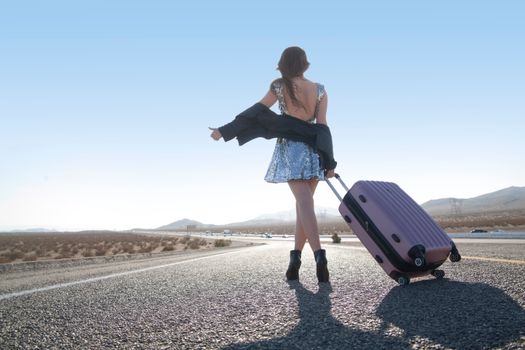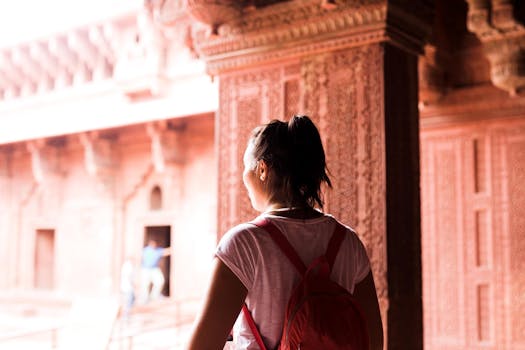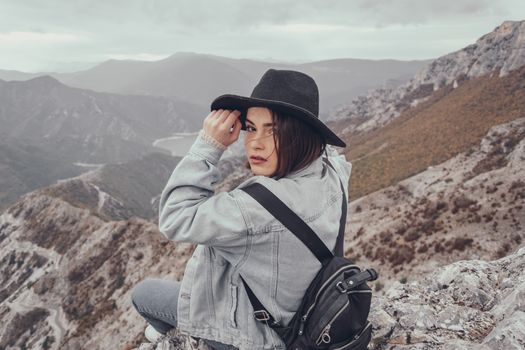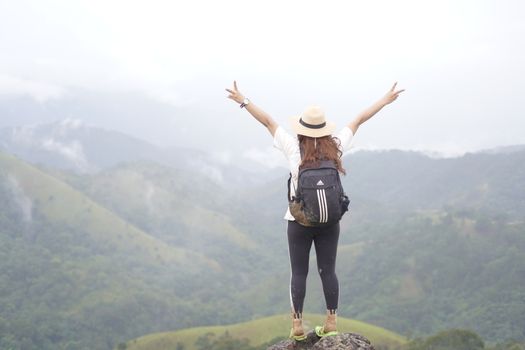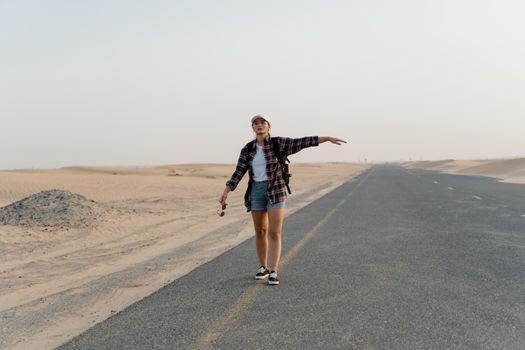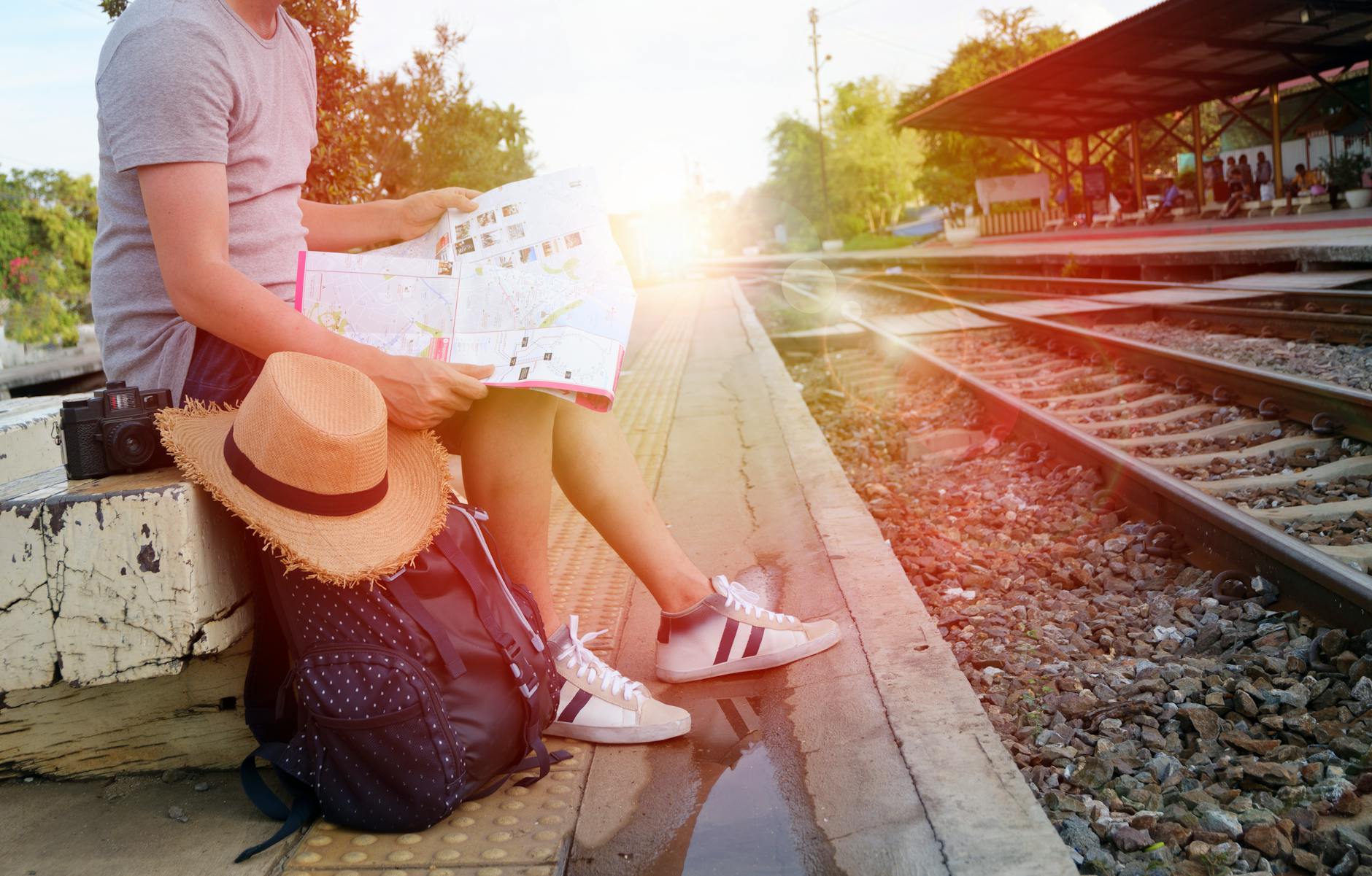
Travelling alone for the first time is a little like swimming in cold water. The thought is worse than the reality, and most people are glad within ten minutes that they jumped in. Late autumn is a surprisingly good moment to do it. Crowds thin out, hotels become more flexible about prices, and many cities settle into a calmer rhythm that makes it easier to find your feet.
This guide covers what makes late autumn a good season for a first solo trip, five cities that suit it, how to plan a first few days, and the small habits that keep you comfortable and safe. Seasonal weather varies by year and by hemisphere, so treat the climate notes as general patterns and check a current forecast before you book.
Why late autumn suits a first solo trip
Peak summer is wonderful for groups and families, but it can be overwhelming when you are alone. Queues are long, accommodation is stretched, and every restaurant feels full of tables for four. In the shoulder and low seasons, the opposite is true.
- Smaller crowds. You can walk into a museum, a viewpoint or a neighbourhood café without planning around a timed ticket.
- Easier bookings. Solo travellers often have the flexibility to book late, and quieter months reward that.
- Friendlier service. When a restaurant is half empty, staff have time to chat, recommend a dish or find you a seat at the counter.
- Better light for walking. Mild temperatures suit long city strolls, which are the backbone of most solo trips.
There are trade-offs. Daylight is shorter in the northern hemisphere, some seasonal attractions close, and weather can turn wet. None of that is a barrier if you plan indoor options and aim to be home before dark in unfamiliar areas.
What a good first-timer city looks like
Before choosing a destination, it helps to know what you are actually looking for. For a first solo trip, the best cities tend to share a handful of traits.
- Easy arrival. A straightforward airport transfer, ideally by train or metro, removes the most stressful hour of the trip.
- Walkable or well-connected. You should be able to get around without negotiating taxis or learning a complicated bus network.
- A strong solo-dining culture. Counters, food halls and casual cafés make eating alone feel normal rather than awkward.
- Widespread English or clear signage. You do not need perfect language skills, but you do want to read a menu or a station sign without panic.
- A reputation for general safety. No city is risk free, but some are consistently comfortable for visitors on their own.
- Plenty to do in small doses. Neighbourhoods, markets, viewpoints and short museum visits let you fill a day without a rigid itinerary.
Five cities to consider
Lisbon, Portugal
Lisbon stays pleasant long after the summer heat has gone. Autumn days are often mild, with enough sunshine to enjoy the miradouros, the hilltop viewpoints that look across tiled rooftops to the Tagus. The city is hilly, so pack comfortable shoes with good grip, because the cobbled pavements get slippery after rain.
For a first-timer, the appeal is how simple it is to settle in. The airport has a metro link into town, the historic neighbourhoods of Alfama, Baixa, Chiado and Bairro Alto sit close together, and a tram or short walk covers most of what you want to see. Solo dining is easy: many small tascas serve a dish of the day at a counter, and pastelarias are made for a quiet coffee and custard tart.
Good first-day ideas include wandering Alfama without a map, taking the riverside route towards Belém, and booking an evening fado performance if you enjoy live music. A day trip to Sintra is possible by train, though it is best on a clear day and with an early start.
Seville, Spain
Seville is one of the nicest places in Europe for a slow, low-pressure autumn trip. The famously intense summer heat has eased, the orange trees in the old town are in leaf, and the compact centre is easy to cover on foot. The cathedral, the Real Alcázar and the lanes of Santa Cruz can be seen in a relaxed two or three days.
Seville is also a gift to solo diners because tapas culture is built around small plates. You can stand at a bar, order two or three things, and move on, without the commitment of a full table. Spanish mealtimes are late, so do not be alarmed if the dinner crowd arrives well after you have started. Many bars keep shorter hours in the afternoon, so check before you rely on a particular place.
Book the Alcázar and any flamenco performance in advance where possible, since popular slots still fill in quieter months. Smaller peñas and tablaos give a more intimate evening than the large dinner shows.
Taipei, Taiwan
If you want somewhere that feels adventurous but is remarkably easy to navigate, Taipei is a strong choice. The metro is clean, clearly signed in English and runs to most places visitors want to go. Contactless transit cards work across the system, and locals are widely known for being helpful to confused visitors.
Late autumn tends to bring milder, more comfortable weather than the humid summer, though it can be showery, so carry a light rain layer. Night markets such as Shilin and Raohe are central to the city's food scene and perfectly suited to a solo visitor, since the whole point is grazing: a skewer here, a bowl of noodles there. Beyond food, you can ride the gondola at Maokong, soak in the hot springs at Beitou, or take a local train to the old mining town of Jiufen.
Because Taipei feels so orderly, it is a good choice if you want a first trip outside Europe or North America without the intensity of some other Asian capitals.
Singapore
Singapore is often described as the training wheels of Asian travel, and the description is fair. English is widely used, signage is clear, public transport is efficient, and the city is renowned for cleanliness and order. Many visitors find it one of the least stressful places to arrive after a long flight.
The climate is warm and humid all year, with frequent rain showers around the end of the year, so plan indoor and outdoor activities together. Hawker centres, such as Maxwell Food Centre and Lau Pa Sat, are ideal for solo meals: you pick from dozens of stalls, find a seat and eat at your own pace. Gardens by the Bay, the Botanic Gardens, the Chinatown and Little India districts, and the museum cluster near the civic district fill several days comfortably.
It can be an expensive city for accommodation, so consider a well-reviewed hostel with private rooms or a small hotel outside the most central area, and use the MRT to get about.
Mexico City, Mexico
Mexico City is more demanding than the previous four, but rewards a confident first-timer with one of the world's great food and culture scenes. Late autumn brings dry, sunny days and cool evenings, and the city's remembrance traditions around the start of November are a moving cultural highlight if your dates line up. Check local calendars, because events and crowds change from year to year.
Stay in a well-regarded central neighbourhood such as Roma, Condesa or Coyoacán, where cafés, parks and restaurants are a short walk away. Use official taxis or ride-hailing apps rather than hailing cars on the street, and keep your phone out of sight in crowded places. The city is at high altitude, so give yourself a gentle first day, drink water and go easy on alcohol.
Learn a few Spanish phrases. Even basic greetings are warmly received and make everything from ordering lunch to asking directions smoother.
How to plan your first three days
A common first-timer mistake is overplanning or underplanning. A simple structure works well.
- Day one: arrive and orient. Drop your bags, take a short walk around your neighbourhood, find a pharmacy and a supermarket, and have an early dinner. Do not schedule anything that costs money or cannot be moved.
- Day two: one big anchor. Choose a single headline activity, such as a major museum, a market or a walking tour, and leave the rest of the day open.
- Day three: follow your curiosity. By now you will have a feel for the city. Go back to something you liked, or try a neighbourhood a local mentioned.
Walking tours are an excellent social shortcut. They give you a guide, a rough orientation and a natural chance to chat with other travellers without any pressure.
Choosing where to stay
Accommodation shapes a solo trip more than people expect. A few approaches work well.
- Small hotels or guesthouses offer privacy and a front desk where you can ask questions.
- Hostels with private rooms give you social spaces when you want them and a closed door when you do not.
- Apartments are comfortable for longer stays but can feel isolating on a first trip.
Whatever you choose, read recent reviews, particularly from other solo travellers, and look at the location on a map. A slightly higher price for a safe, well-lit street near public transport is usually worth it.
Safety habits that become second nature
Most solo trips are uneventful, and a few easy habits keep it that way.
- Share your plans. Send a family member or friend your accommodation details and check in occasionally.
- Keep copies of documents. Store digital copies of your passport and insurance in a secure place and keep a spare payment card separate from your main wallet.
- Know your route home. Save your accommodation address in the local language and download an offline map.
- Trust your instincts. If a situation feels off, leave politely. You owe nobody an explanation.
- Watch your drinks and your belongings. This applies anywhere, whether in a bar or a busy tram.
- Consider travel insurance. Policies vary, so read the terms and check what is covered for medical care and lost items.
This is general information and not personal safety or insurance advice. Check your government's travel advisory for your destination before you book.
Making the most of eating and socialising alone
Eating alone is the thing most first-timers dread, and it is usually the thing they enjoy most by the end. Sit at the counter if there is one, bring a book or journal if it helps, and choose places where people eat quickly and casually, such as markets, food halls and tapas bars. Lunch is often cheaper and calmer than dinner, so make it your main meal if you prefer.
If you want company, you have options: group food tours, cooking classes, free walking tours, and hostel common rooms. Pick one social activity every couple of days and keep the rest of your time for yourself.
Frequently asked questions
Is late autumn a good time for a first solo trip?
Generally yes, because lower crowds and flexible prices make everything easier. The main downsides are shorter days in the northern hemisphere and less predictable weather, so build in indoor activities.
How long should my first solo trip be?
Four to seven nights in one city is a comfortable first attempt. It is long enough to settle in and short enough to feel manageable.
Should I book everything in advance?
Book flights, your first nights of accommodation and any must-see tickets ahead of time. Leave the rest flexible so you can respond to what you discover.
What if I get lonely?
It is normal to have a low moment. Join a walking tour, take a class, or message a friend. Often a good meal and an early night is all you need.
Summary
A first solo trip does not need to be dramatic. Pick a city with easy transport, a strong casual-dining culture and a welcoming reputation, such as Lisbon, Seville, Taipei, Singapore or, for the more confident, Mexico City. Travel in late autumn for smaller crowds and gentler prices, give yourself a slow first day, anchor each day with one plan, and keep a few safety habits in your pocket. Check official advisories and current conditions before you book, and then go. The hardest part of travelling alone is the decision to start.