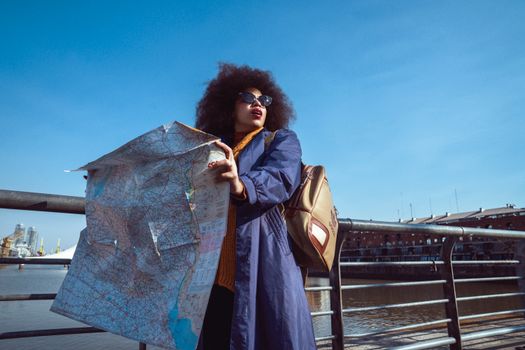
Your first solo trip is easier to enjoy when the destination supports the way you travel alone. A city that is walkable, well connected by transit, readable in a language you can manage and friendly to independent visitors lets you focus on the experience rather than on logistics. This guide explains what to weigh when choosing a city for that first trip and how to shape the plan so it feels manageable rather than daunting. The aim is not to find the single best destination for solo travelers, since comfort is personal, but to match a city to your own pace, budget and tolerance for unfamiliar situations.
Start with walkability and transit
A compact city with a clear center is usually the most forgiving choice for a first solo visit. When most sights, cafes and accommodation sit within a reasonable walk of one another, you spend less time navigating and more time exploring. Walking also gives you a natural way to get your bearings, which builds confidence quickly.
Transit matters as much as distance. A city whose metro or tram lines form a simple map, whose stations have clear signage and whose ticketing works with contactless payment usually makes independent travel simpler. Check whether night services run on the routes you are likely to use after dinner, because options often narrow late in the evening. Ride-hailing apps can be a useful supplement, but confirm that they operate in your destination before relying on them.
Consider language and navigation
You do not need fluency to travel solo, but a destination where basic phrases, menus and street signs are readable in a language you know will make daily tasks quicker. Cities with strong tourism infrastructure often have English-language signage and staff, though this varies by neighborhood and by country. It is worth looking at how common your script is on public transit maps before you commit.
Prepare for navigation before you leave home. Download offline maps for your destination, save your accommodation address in the local script as well as in Latin letters, and keep a screenshot of the address so you can show a driver or a stranger. A translation app with offline language packs can help with menus and short exchanges. These steps cost little time and remove many small moments of uncertainty.
Think about safety habits, not just reputation
Safety for solo travelers depends heavily on habits and neighborhood choices, not only on a city's overall reputation. Research which districts are well lit, busy in the evening and close to transit, and which are better avoided late at night. Local guidance from accommodation staff, city tourism offices and recent traveler reports can be useful, but treat any single opinion with caution.
Check current travel advisories from your home government, since they are updated as conditions change. Share your itinerary with someone you trust, keep digital copies of important documents, and carry a small amount of cash separate from your cards. Choose accommodation with a staffed reception or a secure entry system, and avoid walking alone in unfamiliar areas with your phone out and your attention elsewhere.
Look for social options
Solo travel can feel lonely if every meal is eaten alone, so a city with an active social scene can make the trip richer. Walking tours, cooking classes, language exchanges, group activities at hostels and community event calendars are all useful places to meet other travelers and local people. Many cities also have bookshops, markets and neighborhood cafes where conversation with staff or regulars comes easily.
If you prefer quiet company, choose a city where you can comfortably sit in a cafe with a book or spend an afternoon in a park. Solo dining is widely accepted in many places, but customs differ, so it helps to look up whether counter seating or a bar is more relaxed in your destination. Both social and solitary modes can be part of a good first trip.
Pace the first trip
A common mistake on a first solo trip is trying to see too much. Three or four nights in one base, with one or two anchor activities per day and free time in between, usually feels more relaxed than changing hotels every day. Build flexibility into the plan so you can rest, change direction or stay longer somewhere you enjoy. Overplanning can make a single missed train feel like a failure, while a looser schedule absorbs surprises.
Confidence grows with each day that goes smoothly. Start with ordinary tasks such as buying a transit card, ordering a meal or asking for directions, and build up to more independent plans. By the end of a short first trip, many travelers find that the skills they used are transferable to the next destination, whatever it is.
Practical tips
- Choose a central, well-reviewed neighborhood with good transit links to the sights you want to see.
- Arrange airport transfers in advance or confirm the official taxi or ride-hailing options on arrival.
- Save emergency numbers and your home country's consular contact details offline.
- Tell someone you trust your check-in details and a rough daily plan.
- Confirm your mobile data plan or buy a local SIM or eSIM before you arrive.
- Keep your phone charged and carry a small battery pack for long days.
A well-chosen first destination turns solo travel from an experiment into a habit. Pick a city that matches your comfort level, plan a modest itinerary and treat the trip as practice rather than a test. The skills you build along the way, from reading a transit map to starting a conversation, will serve you on every trip that follows.