From Grounded to Giddy: How Climbing Walls Blew My Acrophobia Away (and Can Do the Same for You!)
The sweat was beading on my palms, not from exertion, but from sheer terror. My heart hammered against my ribs like a trapped bird. Below me, a mere five feet down, the crash pad looked like a postage stamp. I was bouldering, a form of climbing without ropes, typically done on shorter walls. And yet, there I was, paralyzed by an irrational, overwhelming fear of falling from what felt like an impossible height.
Hi, I’m Alex, and like many of you reading this, I’ve battled with acrophobia for as long as I can remember. Rollercoasters? Forget it. Ladders? Only if someone holds them. Even standing on a chair to change a lightbulb gave me the jitters. The idea of "climbing" was a cruel joke. It was for adrenaline junkies, fearless adventurers, people who clearly hadn't been cursed with the same dizzying vertigo I experienced.
But then, a friend, a seasoned climber who also happened to be incredibly patient, dragged me to a local climbing gym. "Just try bouldering," she said, "it's literally just a few feet off the ground. You can fall anytime, the pads are huge, and it's all about puzzles, not height." Skeptical, terrified, but also a tiny bit curious, I relented. What happened next wasn't an instant cure, but it was the first crack in the wall of my fear – a crack that eventually blew my mind wide open.
This isn't about becoming a world-class mountaineer overnight. This is about discovering a surprising, empowering, and incredibly fun way to challenge your fear of heights, one grip at a time, on walls designed to build confidence, not instill terror. Get ready, because these climbing experiences will genuinely blow your mind.
The Acrophobe's Paradox: Why Climbing is Your Secret Weapon
It sounds counterintuitive, doesn't it? The solution to fearing heights is to... climb? But hear me out. The fear of heights, or acrophobia, is often less about the height itself and more about the lack of control and the perceived risk of falling. Traditional climbing, with its dizzying drops and complex rope systems, can exacerbate this.
However, modern indoor climbing walls, especially those tailored for beginners, flips this script entirely. They offer:
- Controlled Environments: No wind, no rain, no crumbling rock. Just well-maintained, predictable surfaces.
- Safety First Design: Thick crash pads, certified instructors, and rigorously tested equipment.
- Gradual Progression: You start low, stay low, and only go higher when you feel ready.
- Focus on the Process: Climbing becomes a puzzle, a dance, a mental challenge, shifting your attention away from the height.
This isn't about forcing yourself to face your fear head-on in a terrifying way. It's about gently coaxing your brain to understand that height, in a controlled environment, can be a source of exhilaration and achievement, not just dread.
Bouldering: Your Low-to-the-Ground Gateway to Giddiness
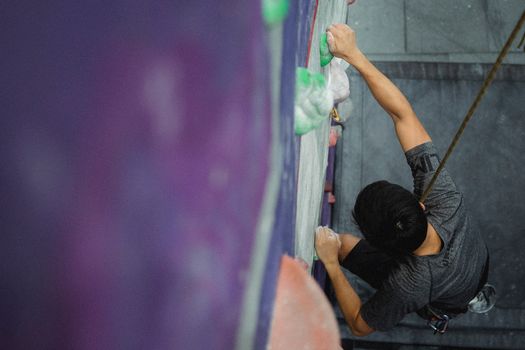
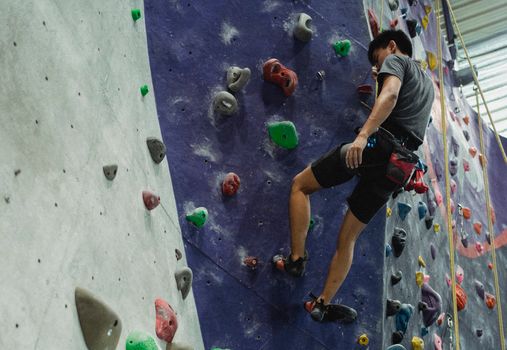
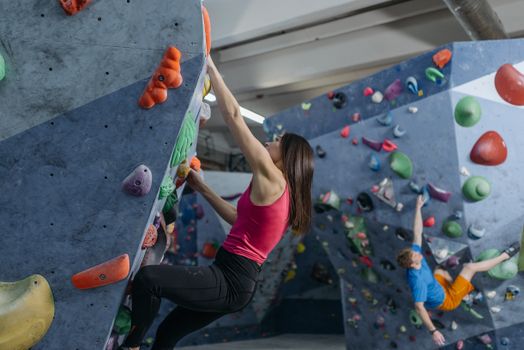
My first foray into climbing was bouldering, and it's where I recommend every acrophobe start. Imagine a wall, typically no higher than 12-15 feet, covered in colorful plastic holds. Beneath it, a plush, bouncy crash pad the size of a king-sized bed. There are no ropes, no harnesses, just you, your shoes, and the wall.
Why Bouldering is Perfect for Acrophobes:
- Minimal Height, Maximum Fun: You're never far from the ground. Most "problems" (the routes you climb) can be completed without ever feeling truly high. If you do reach a point where you feel uncomfortable, you can simply drop down onto the soft pads.
- Focus on Movement & Problem-Solving: Bouldering is often described as "physical chess." Each problem is a sequence of moves designed by a "setter" that challenges your strength, balance, and flexibility. Your brain gets so engrossed in figuring out the next move, where to place your hands and feet, that it often forgets to panic about the height.
- Instant Gratification: Completing even a short, easy problem gives you an incredible sense of accomplishment. That rush of "I did it!" is incredibly powerful and addictive.
- Community & Support: Bouldering gyms are often vibrant, social hubs. People cheer each other on, offer tips, and celebrate successes. There's no judgment, only encouragement.
My personal breakthrough came on a yellow-taped problem – a beginner route. I was about 8 feet up, clinging to a hold, my mind screaming "GET DOWN!" But then, my friend shouted, "Look for the big blue hold on your left, Alex! Trust your feet!" I focused, ignored the buzzing in my head, stretched, and grabbed the hold. The sensation of pulling myself up, of making that move work, was pure magic. I didn't even notice the height anymore. I was just climbing. And when I dropped safely onto the pads, I felt a surge of triumph that lingered for hours. It was the first time I felt genuinely strong in the face of my fear.
Auto-Belays & Adaptive Climbing: The Safety Net You Never Knew You Needed
Once you've found your footing (pun intended!) with bouldering, you might feel a tiny spark of curiosity about going higher. This is where auto-belays come in – and they are an acrophobe's best friend.
What's an Auto-Belay? Imagine a self-regulating safety device mounted at the top of a tall climbing wall. You clip your harness into a cable that extends from it. As you climb, the device automatically takes up the slack, so you're always safely secured. When you let go or reach the top, it gently and slowly lowers you back down to the ground.
Why Auto-Belays are Revolutionary for Acrophobes:
- No Human Error: Unlike traditional top-rope climbing where another person (the belayer) manages your rope, the auto-belay is a machine. This removes the anxiety of trusting another human with your safety, which can be a huge mental hurdle for those with fear of falling.
- Complete Control: You decide when to ascend, when to rest, and when to come down. There's no pressure to keep going if you don't feel comfortable.
- Smooth Descents: The slow, controlled descent is surprisingly calming. It's not a freefall; it's more like a gentle glide. My first auto-belay descent felt like floating, and it was a revelation – I could be high up, and it didn't have to be terrifying.
- Focus on Climbing, Not Belaying: You don't need to learn complex belaying techniques, allowing you to purely focus on your movement and the joy of climbing.
Many modern gyms also offer adaptive climbing programs. While often designed for individuals with physical disabilities, their core philosophy of inclusivity, patience, and tailored support makes them invaluable for anyone overcoming a mental barrier like acrophobia. These programs often have specialized instructors who understand the psychological aspects of fear and can guide you through exercises that build confidence step-by-step. Seek out gyms that emphasize a supportive, non-competitive environment – they are goldmines for acrophobes!
The Mind-Body Connection: How Climbing Rewires Your Brain
Climbing isn't just a physical workout; it's a mental one. And for someone battling acrophobia, it's a powerful form of exposure therapy disguised as fun.
- Mindfulness in Motion: When you're on the wall, you have to be present. Every move, every grip, every foot placement demands your full attention. This intense focus acts as a powerful distraction from your fear, grounding you in the moment.
- Problem-Solving & Strategy: Each climb is a puzzle. "Where do I put my left foot?" "How do I reach that next hold?" This cognitive engagement shifts your brain from fear-response mode to problem-solving mode.
- Building Micro-Victories: Every successful move, every completed problem, every inch higher you climb is a small victory. These accumulate, slowly but surely, chipping away at your ingrained fear and replacing it with a sense of competence and achievement. You're literally building new neural pathways that associate heights with success, not terror.
- Trusting Your Body: As you climb, you learn to trust your strength, your balance, and your ability to hold on. This newfound physical confidence translates into mental resilience, empowering you to push past perceived limitations.
I vividly remember a day when I was struggling on an auto-belay wall. I was high up, maybe 30 feet, and the familiar panic started to creep in. My hands felt weak, my breath hitched. But then I remembered my instructor's words: "Look at your feet. Find a good stance. Breathe." I focused on my breathing, found a solid foothold, and suddenly, the panic receded. I wasn't cured, but I had managed it. I had used a tool to calm my own mind while suspended in the air. That moment was more profound than any completed climb.
Beyond the Gym: Unique & Beginner-Friendly Climbing Experiences
While most of your acrophobia-conquering journey will likely begin in a local gym, it’s worth knowing that the climbing world is vast and full of unique experiences. Many gyms cater specifically to beginners and those looking for a supportive environment.
- Dedicated Beginner Zones: Look for gyms that have specific areas for new climbers, often with easier routes and lower walls. These zones are less intimidating and allow you to learn the ropes (or lack thereof, in bouldering) at your own pace.
- Introductory Classes & Workshops: Investing in a beginner's class is one of the best things you can do. Instructors are trained to teach fundamentals, safety, and proper technique. Many will be sensitive to individual fears and can offer personalized encouragement.
- Gyms with a Community Focus: Some gyms prioritize community over competition. They often host social events, offer mentorship, and cultivate a welcoming atmosphere that makes nervous beginners feel right at home.
Specific Examples of Acrophobe-Friendly Gyms (Representative, check local listings!):
While I can't list every fantastic gym in the world, here are examples of types of facilities that excel at supporting new climbers and acrophobes:
- The Gravity Hub (Denver, CO, USA): Known for its expansive bouldering area with clearly marked beginner-friendly routes and a dedicated "Learn to Climb" section for auto-belay. Their intro package often includes shoe rental and a guided session.
- Typical Cost: Day Pass: $25-30. First-Timer Intro Package (includes gear & basic instruction): $60-75.
- Peak Performer Walls (London, UK): Multiple locations, often lauded for their friendly staff and excellent auto-belay sections. They offer specific "Bouldering Basics" workshops that focus on technique and confidence-building.
- Typical Cost: Day Pass: £15-20. Beginner Bouldering Workshop: £40-50.
- Zenith Walls (Sydney, AU): This type of gym emphasizes a strong community vibe, often with patient instructors and comprehensive safety briefings. They excel at making top-rope climbing accessible by having staff on hand to belay beginners during introductory sessions.
- Typical Cost: Day Pass: AUD $28-35. First-Timer Belay Package (includes gear & instructor-led belay): AUD $75-90.
Always check their websites for current prices, class schedules, and any specific programs for beginners or those with special considerations. Many offer a discounted first visit or a free trial class!
Practical Tips for Your First Climb (Acrophobe Edition!)
Ready to take the plunge? Here are my top tips to make your first climbing experience enjoyable and empowering, even with a fear of heights:
- Start with Bouldering, Always: Seriously, this is non-negotiable for acrophobes. It keeps you low, removes the complexities of ropes, and lets you focus on the movement.
- Go with a Trusted Friend (or an Instructor): Having someone there who understands your fear and can offer encouragement is invaluable. If a friend isn't available, book an introductory session with a certified instructor.
- Wear Comfortable Clothes: Think athletic wear that allows for a full range of motion. Baggy shorts or tight jeans are a no-go.
- Rent the Gear: Most gyms offer shoe and harness rentals. Don't buy anything until you know you love it. Climbing shoes are designed to be snug; they're supposed to feel a bit weird at first!
- Listen to Your Body (and Your Instructor): If you feel overwhelmed, take a break. If a move feels too hard or too scary, try an easier route. There's no shame in downclimbing or dropping off.
- Focus on the Holds, Not the Height: When you're climbing, try to keep your gaze on the next hold or your feet. Avoid looking down if it triggers your fear.
- Celebrate Small Victories: Did you get one move higher? Did you complete a problem you thought was impossible? Did you just try? Celebrate it! Every step forward is a triumph.
- Don't Compare Yourself: There will be incredibly strong, graceful climbers at the gym. Ignore them! Your journey is yours alone. Focus on your progress, not theirs.
- Breathe Deeply: When fear strikes, our breath often becomes shallow. Practice deep, belly breathing to calm your nervous system.
- Hydrate & Snack: Climbing is surprisingly tiring. Bring water and a small snack to keep your energy levels up.
The View from the Top (or Just a Little Bit Higher)
My journey from paralyzed acrophobe to confident climber wasn't linear. There were days I'd get on the wall and freeze, days I'd feel frustrated, and days I'd just want to go home. But there were also days of incredible breakthroughs, moments of pure joy, and the profound satisfaction of doing something I once thought impossible.
Climbing hasn't "cured" my acrophobia entirely. I still get nervous on tall ladders or exposed mountain paths. But it has fundamentally changed my relationship with heights. I now understand that fear is a sensation I can manage, not a dictator I must obey. I've learned to trust my body, to focus my mind, and to find immense joy in challenging myself.
The world of climbing walls is a vibrant, welcoming place, especially for those who think they don't belong. It's a place where fear can transform into exhilaration, where challenges become puzzles, and where every small victory builds monumental confidence. It's a place that will truly blow your mind.
So, what are you waiting for? That incredible feeling of achievement, that rush of adrenaline, that surprising sense of calm awaits you. Find a local climbing gym, book an intro class, and take that first step. I promise, you won't regret it.
---