Conquering Vertigo: The Climbing Walls for People Afraid of Heights You Need to Experience Before You Die
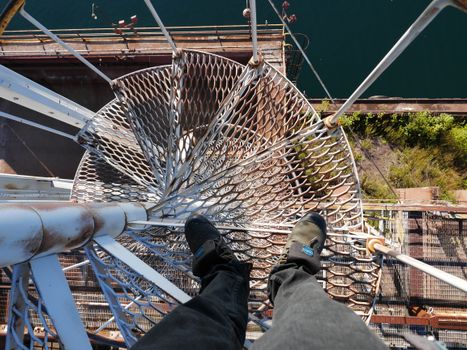
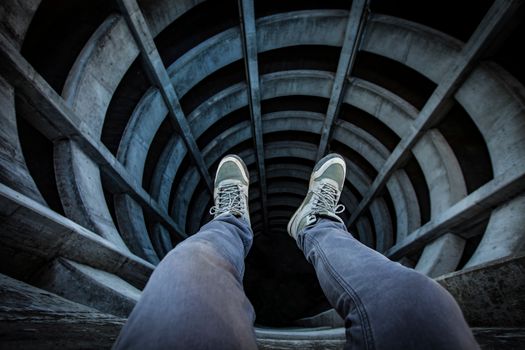
The world is a vast, beautiful place, and for years, my fear of heights kept me from experiencing some of its most breathtaking views. I’m talking about a genuine, sweaty-palmed, heart-pounding acrophobia. Standing on a balcony on the third floor of a hotel, looking down from a bridge, or even just peering over a cliff edge at a national park – these were all experiences that filled me with dread, not wonder. My travel photos often missed the grand panoramas because I simply couldn't get close enough to the edge to snap them.
For the longest time, I assumed climbing was absolutely off-limits for me. Why would I willingly put myself in a situation that triggered my deepest anxieties? It felt like signing up for a panic attack with extra steps. But then, a friend, knowing my secret struggle, gently nudged me towards a local climbing gym, promising it wasn't what I thought. "Just try bouldering," she said, "it's barely off the ground." Skeptical but desperate for a breakthrough, I went.
That day changed everything. What started as a terrifying proposition became a journey of empowerment, a slow but steady ascent (pun intended!) towards understanding and ultimately, managing my fear. If you, like me, have dreamt of seeing the world from a different perspective but found yourself paralyzed by the thought of elevation, then this post is for you. Forget scaling Everest – we're starting with gentle, confidence-building walls that will help you redefine your relationship with heights. These aren't just climbing walls; they're gateways to a new, more courageous you.
1. The Ground Floor Advantage: Why Bouldering is Your Best Friend
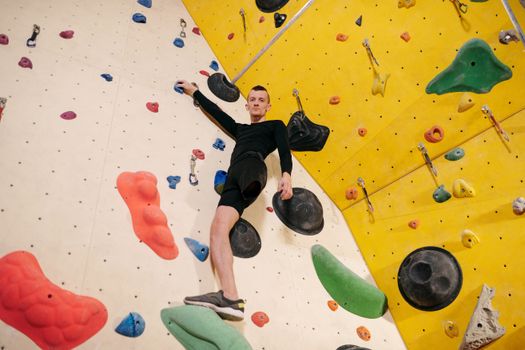
Imagine a climbing wall, but instead of towering impossibly high, it's only about 12-15 feet tall. Below you, a thick, bouncy crash pad awaits. No ropes, no harnesses, just you, the wall, and a series of colorful holds. This, my friends, is bouldering, and it is hands-down the best entry point for anyone with a fear of heights.
My first bouldering session at "The Urban Ascent Gym" in downtown Toronto was a revelation. I remember staring at the brightly colored holds, my stomach doing nervous flips. My friend pointed to a V0 (the easiest grade) route, barely five feet off the ground. "Just try to get to the first few holds," she encouraged. My hands trembled as I grabbed the plastic, my feet searching for purchase. The focus wasn't on the height, but on the intricate puzzle of movement: where to put my left foot, how to shift my weight, which hand to reach next.
The beauty of bouldering for acrophobes lies in several key aspects:
- Low Height, High Focus: You're never far from the ground. Most "problems" (the specific routes you climb) are designed to be completed within a few moves, keeping you low. This allows you to focus purely on technique, strength, and problem-solving, rather than the terrifying distance to the floor.
- Safe Landing: Those giant crash pads? They're incredibly reassuring. Learning to fall safely is part of bouldering, and knowing you'll land softly takes a huge psychological burden off. My instructor showed me how to tuck and roll, and after a few practice falls, I actually started to enjoy the sensation.
- Quick Wins: You can complete a V0 or V1 problem quickly, giving you a huge sense of accomplishment without ever feeling truly exposed. Each solved problem builds confidence, incrementally chipping away at the fear.
Practical Tips for Bouldering Beginners:
- Start Low: Don't be ashamed to stay on the easiest routes (V0-V1) and practice traversing horizontally rather than vertically.
- Focus on Footwork: Good foot placement makes climbing feel effortless and secure. Look at your feet, not the ceiling!
- Learn to Fall: Ask staff to show you how to fall safely. It sounds counter-intuitive, but knowing how to land properly dramatically reduces anxiety.
- Rent Shoes: Proper climbing shoes make a huge difference in grip and confidence. Most gyms offer rentals for around $5-10.
- Price Point: A day pass for bouldering typically ranges from $18-$25.
Bouldering was my gateway drug. It taught me that my body was capable of things I never imagined, all while keeping my feet metaphorically (and almost literally) on the ground.
2. The Auto-Belay Revolution: Reaching New (Safe) Heights
Once I felt comfortable navigating the bouldering walls, my friend suggested auto-belays. My heart initially sank. Ropes? High walls? But she explained: an auto-belay system is a mechanical device attached to the top of a climbing route. As you climb, the device automatically takes up slack in the rope. When you let go, it gently and consistently lowers you back to the ground. No human belayer needed, no sudden drops.
My first experience with an auto-belay at "The Gravity Lab" in Denver was a mix of intense fear and exhilarating discovery. I clipped into the carabiner, took a deep breath, and started to ascend. Every time my hands got sweaty, or my mind whispered "you're too high!", I'd remind myself that the machine had me. I could let go anytime and it would lower me safely. This knowledge was profoundly liberating.
Here’s why auto-belays are a game-changer for acrophobes:
- Consistent Safety Net: The mechanical nature of the auto-belay means it's incredibly reliable. There's no human error to worry about, just a smooth, controlled descent every time. This consistency builds trust faster than anything else.
- Empowerment of Choice: You are in control. You can climb as high as you feel comfortable, then simply let go when you're ready to come down. There's no pressure to reach the top. This sense of agency is crucial for managing anxiety.
- Focus on the Climb: With the safety aspect handled, you can once again shift your focus to the physical challenge, the sequence of moves, and the sheer joy of movement. The height becomes a secondary thought, an exciting backdrop rather than a terrifying obstacle.
My most memorable auto-belay climb was on a brightly colored wall that simulated a giant tree trunk. I remember reaching a point where I was probably 25 feet up, my highest ever. For a moment, the old fear tried to creep in, but then I looked at the texture of the holds, felt the strength in my legs, and just let go. The gentle descent was almost meditative, and when my feet touched the pad, I actually laughed with pure relief and triumph. It was the first time I'd willingly gone that high and felt... good.
Practical Tips for Auto-Belay Users:
- Double Check Your Clip: Always ensure you are securely clipped into the auto-belay before starting your climb. Staff will show you how.
- Practice Letting Go: Start low, climb a few feet, and practice letting go. Get comfortable with the sensation of being lowered.
- Look Up, Not Down (Initially): Focus on the holds above you, not the distance below. As you gain confidence, you can start to glance down more comfortably.
- Price Point: Day passes are similar to bouldering ($18-$30), often including access to auto-belays.
3. Trust the Rope, Trust Your Partner: The Gentle Art of Top-Roping
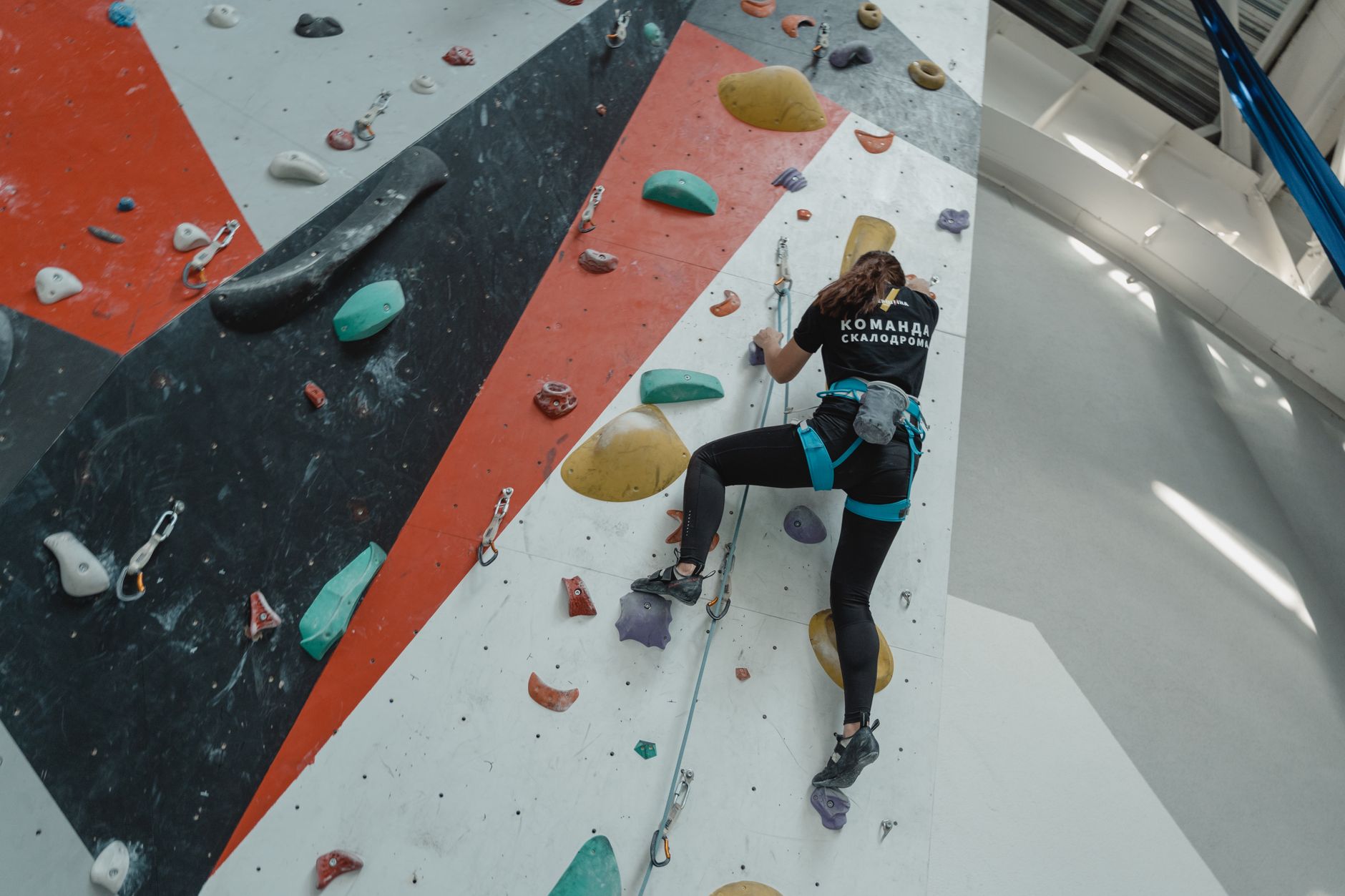
Once you've tasted the heights with an auto-belay, the next natural step is top-roping with a partner. This is where the human connection comes in, and for acrophobes, it can be incredibly powerful. In top-roping, a rope runs from your harness, up through an anchor at the top of the wall, and back down to a belayer on the ground. The belayer manages the rope, taking up slack as you climb and controlling your descent.
The idea of trusting another person with my life was initially daunting. But my instructor, Sarah, at "Peak Performance Climbs" in Portland, Oregon, was patient and reassuring. She explained the commands ("Climbing!", "Climb on!", "Take!", "Lower!"), demonstrated the belay device, and emphasized that communication was key.
My first top-rope experience was with Sarah as my belayer. Every time I felt a flicker of fear, I'd call out "Take!", and she'd immediately pull the rope taut, making me feel secure and supported. This constant feedback loop, this dance of trust, was transformative. It wasn't just about conquering the wall; it was about building a bond and learning to rely on someone else, something my independent (and anxious) self found challenging.
Why top-roping excels for the height-averse:
- Active Support System: Knowing someone is actively managing your safety on the ground is incredibly comforting. Their presence and verbal cues ("You got this!", "Nice move!") can be a huge motivator.
- Controlled Descent: The belayer controls your speed of descent, allowing you to come down as slowly and gently as you need, building confidence with each controlled return to earth.
- Shared Experience: Climbing with a partner turns it into a collaborative effort. You're not alone with your fear; you're tackling it together. This sense of camaraderie can be incredibly empowering.
I remember one particular route, a challenging overhang that pushed my physical and mental limits. I was high up, probably 40 feet, and my legs were shaking. "Sarah," I called out, "I'm scared!" Her calm voice floated up, "It's okay to be scared, you're safe. Just breathe. Look for the next hold, one move at a time. I've got you." Her words, combined with the constant tension of the rope, allowed me to take that one extra breath, find that one extra hold, and push a little higher before calling for a lower. That day, I didn't reach the top, but I reached a new level of trust and resilience.
Practical Tips for Top-Roping Beginners:
- Learn from a Certified Instructor: This is non-negotiable. Get proper training on belaying and safety protocols.
- Communicate Clearly: Always use standard climbing commands and make sure your belayer hears you.
- Find a Patient Partner: Choose someone who understands your fear and is supportive.
- Price Point: Day passes are similar ($18-$30). Belay certifications or intro classes (which include gear and instruction) can range from $75-$150.
4. Beyond the Wall: Choosing Your Sanctuary & Coach
The type of wall is important, but equally critical is the environment you choose to climb in. Not all climbing gyms are created equal, especially for someone battling acrophobia. You need a sanctuary, a place that feels welcoming, supportive, and safe.
When I started, I deliberately sought out gyms known for their beginner-friendly atmosphere. "Zenith Bouldering Collective" in Austin, Texas, for example, is renowned not just for its varied bouldering problems but also for its community events and friendly staff. They even have dedicated "Anxiety-Free Zones" during off-peak hours, where the music is lower, and the vibe is calmer – perfect for those still finding their feet (literally).
Here’s what to look for in a climbing gym:
- Introductory Programs: Look for gyms that offer "Intro to Climbing" or "Learn to Belay" classes. These are designed to teach you the ropes (again, pun intended!) in a structured, safe environment.
- Supportive Staff: A good gym will have staff who are not only knowledgeable but also empathetic. Don't be afraid to tell them about your fear of heights. They can offer specific advice and guidance.
- Variety of Routes: Ensure the gym has a good mix of easy (V0-V2 for bouldering, 5.6-5.8 for roped climbing) routes to help you progress gradually.
- Rental Gear: Most gyms offer shoe and harness rentals (typically $5-$10 each), so you don't need to invest in equipment upfront.
- Community Vibe: A friendly, encouraging community can make a huge difference. Observe how climbers interact. Do they cheer each other on? Offer tips? This creates a positive feedback loop.
Finding the right coach can also accelerate your progress. My initial instructor, Liam, at my local gym, had a gentle, encouraging approach. He never pushed me beyond my comfort zone but always encouraged me to take one more step. He taught me breathing techniques for when panic set in and helped me reframe my fear as "excitement" or "challenge." A good coach understands the psychological battle as much as the physical one.
Price Point for Coaching/Classes:
- Intro to Climbing Classes: $75 - $150 (often includes gear rental and a day pass).
- Private Coaching Session: $60 - $100 per hour (highly recommended for personalized attention).
Don't underestimate the power of a positive environment and expert guidance. They are just as crucial as the physical walls themselves.
5. Mind Over Vertigo: Psychological Hacks for the High-Averse
Climbing isn't just a physical sport; it's a mental one. For acrophobes, the mental game is 80% of the battle. Overcoming your fear isn't about eradicating it entirely, but about learning to manage its symptoms and push through it. Here are some psychological hacks that helped me immensely:
- Breathe Deeply: When fear strikes, our breathing becomes shallow and rapid. Practice deep diaphragmatic breathing (inhale slowly through your nose, filling your belly, then exhale slowly through your mouth). This calms your nervous system. I'd often pause mid-climb, close my eyes for a second, and take three deep breaths.
- Focus on the Present Moment: The fear of heights often stems from imagining catastrophic future events. Bring your focus back to the immediate task: "Where is my left foot going?" "How do I grip this hold?" "One move at a time." This anchors you to the now, away from anxious projections.
- Visualize Success: Before you even step on the wall, visualize yourself calmly making the moves, reaching a comfortable point, and safely coming down. Positive visualization primes your brain for success.
- Celebrate Small Victories: Don't wait until you reach the top to feel accomplished. Celebrate every foot gained, every new hold grasped, every time you pushed past a moment of doubt. These small victories accumulate into monumental confidence.
- "Exposure Therapy" in a Controlled Setting: Climbing walls provide a perfect, controlled environment for gradual exposure. You dictate the height and the pace. Over time, your brain learns that being off the ground in this context is safe, slowly rewiring your fear response.
- Talk to Yourself (Positively): Replace negative self-talk ("I can't do this," "I'm going to fall") with encouraging mantras ("You're strong," "You've got this," "Trust the process").
One time, I was attempting a route that had a particularly intimidating "crux" (the hardest part) about halfway up. My mind immediately jumped to "what if I slip here?" I paused, took my deep breaths, and silently repeated Liam's advice: "Focus on your feet. Trust your grip. One move." I broke the problem down into tiny, manageable steps, and slowly, deliberately, I made it through. It wasn't just my body that climbed that day; it was my mind.
6. The Unconventional Climb: Unique Walls & Instagram-Worthy Moments
While the standard climbing gym offers fantastic training, some places go above and beyond, offering unique experiences that can make the journey even more engaging and distract from the fear of heights. These are the kinds of places that make for truly memorable travel stories and, yes, incredibly Instagram-worthy shots!
- Themed Walls: Imagine climbing a wall designed to look like a castle turret, a giant tree, or even an alien landscape. These themed walls, often found in family entertainment centers or larger adventure parks, can make climbing feel less like a daunting challenge and more like an immersive game. For example, "Clip 'n Climb" facilities (a global franchise with locations in places like Vancouver, New Zealand, and the UK) offer brightly colored, whimsical walls with names like "Stairway to Heaven" or "Vertical Drop Slide." These are purely auto-belay, making them incredibly safe and fun. The playful atmosphere can be a fantastic way to ease into heights without the serious vibe of a traditional gym. Expect prices around $20-$30 for an hour-long session.
- Transparent Walls: Some cutting-edge gyms feature transparent climbing walls, often used for competitions or unique experiences. While this might sound terrifying, seeing through the wall can actually demystify the height. You get a clear view of the ground, which for some, can be less disorienting than opaque walls. It's also an incredible visual for spectators and photos!
- Outdoor Bouldering Parks (Very Low): While "climbing walls" usually implies indoor, some parks have outdoor bouldering structures that are extremely low, often just a few feet off the ground, built into natural rock formations or artificial boulders. These offer the fresh air and natural beauty without the scary heights. Look for local park and recreation areas or university campuses that might have these. My favorite was a small, public bouldering park near Lake Tahoe, where I could climb a few feet, then sit on a rock and enjoy the pines – a perfect blend of nature and challenge. These are often free to access!
The joy of climbing isn't just in reaching the top, but in the journey, the struggle, and the incredible sense of accomplishment. Capture those moments! A shot of you mid-climb, looking focused and determined, or a celebratory photo at the top of an auto-belay route, beaming with pride – these are the memories you'll want to share. The vibrant colors of the holds against a dynamic wall make for stunning visuals, truly reflecting the vibrant journey you're on.
The Ascent of Self: My Journey from Fear to Freedom
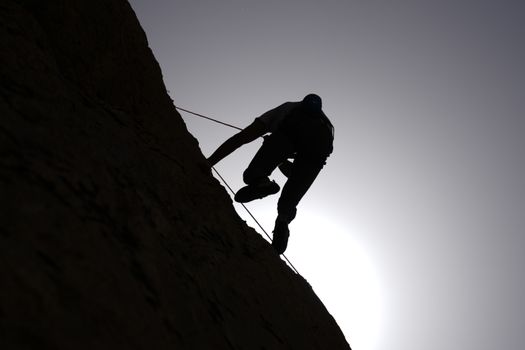
That initial hesitant step onto a bouldering wall years ago felt monumental. Today, I still get butterflies when I look down from a high point, but they’re no longer paralyzing. They're a reminder of how far I've come, a whisper of the old fear that now coexists with a profound sense of capability. I've scaled auto-belay walls to the ceiling, top-roped alongside friends, and even ventured onto small outdoor rock formations (with a trusted guide, of course!).
Climbing walls aren't just about physical strength; they're about mental fortitude. They teach you to trust your body, to breathe through panic, and to break down overwhelming challenges into manageable steps. For someone with a fear of heights, it's a profound form of therapy, an active meditation that reclaims your power.
Don't let acrophobia dictate your experiences. The world is waiting for you to see it from new vantage points. Start low, go slow, and let the walls teach you what you're truly capable of. You might just find that the most breathtaking view isn't from the top of the wall, but from the new perspective you gain within yourself.
---
Call to Action: Have you ever tried climbing to conquer a fear? Or are you an acrophobe inspired to try? Share your stories and questions in the comments below! Tag us on Instagram @Tripsora and use #ClimbBeyondFear to show us your first ascent! Find a local climbing gym near you and take that first brave step – your adventure awaits!