The Ultimate Guide to Community Tourism That Benefits Local Economies Right Now
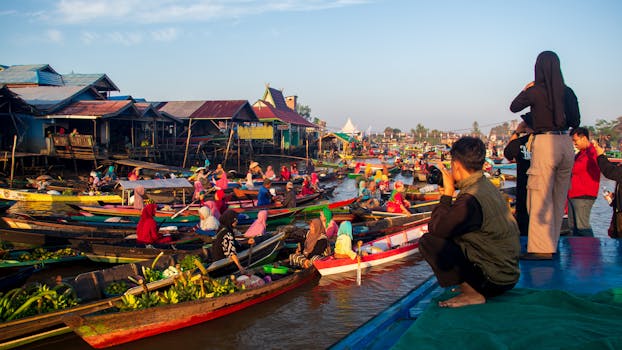
I stepped off the overnight bus, the air thick with the sweet, earthy scent of damp soil and woodsmoke. The pre-dawn chill kissed my cheeks as a rooster, bless its heart, shattered the quiet. This wasn't the manicured resort experience; this was real. This was An Giang, Vietnam, and I was about to witness community tourism at its most vibrant, its most impactful, and its most delicious. The gentle murmur of voices, the clatter of a distant wok, the faint glow of lanterns – it was a sensory symphony promising an experience far richer than any five-star hotel could offer.
Why "Community Tourism" Isn't Just a Buzzword Anymore
In an era where "sustainable" and "ethical" are thrown around like confetti, community tourism cuts through the noise. It’s about more than just a pretty backdrop; it’s about people. It's about ensuring that when you travel, your dollars don't vanish into the coffers of distant corporations. Instead, they flow directly into the hands of the families who call this place home, supporting their livelihoods, preserving their traditions, and empowering them to be the custodians of their own heritage.
Think about it: Every VND spent on a homestay in An Giang means a child can go to school. Every kip paid for a weaving lesson in Laos helps a craftswoman keep her ancient skills alive. Every peso invested in a guided hike through a Peruvian village empowers indigenous guides to share their ancestral knowledge. This is tourism with a purpose, tourism that leaves a legacy.
The Power of the "Local Lens": Seeing the World Through Their Eyes
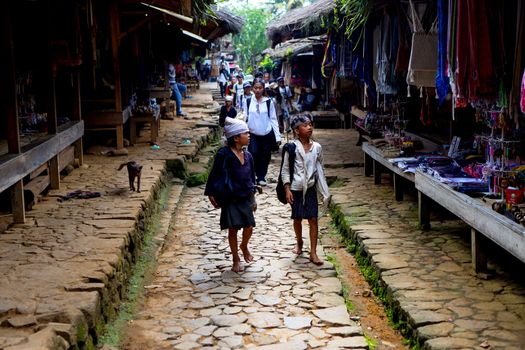
The true magic of community tourism lies in its ability to offer a local lens. Forget the tourist traps designed to extract maximum cash for minimum authenticity. Here, you're invited into homes, invited to share meals, invited to learn directly from those who live and breathe the culture.
My An Giang Homestay Experience:
My host, Mrs. Lan, with eyes that crinkled at the corners when she smiled, didn't just offer me a room. She invited me into her kitchen. The aroma of simmering broth, infused with lemongrass and star anise, was intoxicating. She showed me how to fold rice paper wrappers for goi cuon (fresh spring rolls), her hands moving with practiced grace. We didn't just eat; we shared stories, her tales of growing up along the Mekong weaving a vivid tapestry of local life. This wasn't a cooking class; it was a cultural exchange.
Pro-Tip: Don't be afraid to ask questions. Locals are often proud to share their heritage. Your genuine curiosity is the key to unlocking deeper connections.
Beyond the Souvenir Shop: Investing in Local Skills and Crafts
Community tourism is a powerful engine for preserving and revitalizing traditional crafts. When you buy directly from artisans, you’re not just acquiring a beautiful object; you’re investing in their skill, their time, and the continuation of their craft for future generations.
The Weavers of Luang Prabang, Laos:
In the outskirts of Luang Prabang, I found a collective of women meticulously weaving silk. The rhythmic clack of the looms was a soothing soundtrack to their focused work. They explained the intricate patterns, each one holding a story or a meaning specific to their ethnic group. I watched, mesmerized, as they transformed raw silk into breathtaking textiles.
Instead of buying a mass-produced scarf from a city market, I chose a handwoven sarong directly from one of the weavers. The price was higher, yes, but it felt like a meaningful investment. I knew that money would go towards her family, her tools, and her ability to teach younger women these dying arts.
Pro-Tip: Look for community-run cooperatives or workshops. These often ensure fair wages and ethical practices. Ask about the story behind the craft – it adds immeasurable value.
Culinary Journeys That Feed the Soul (and the Local Economy)
Food is the universal language, and in community tourism, it's a direct conduit to local economies. When you dine at family-run eateries, buy produce from local markets, or participate in food-focused tours, your money directly supports farmers, cooks, and small businesses.
The Spice Trails of Kerala, India:
My journey through the spice plantations of Kerala was a revelation. Guided by a local farmer named Raju, I learned about cardamom, pepper, and cinnamon not from a textbook, but from the earth itself. He showed me how to identify the ripest peppercorns, how to harvest vanilla pods, and the medicinal properties of various leaves.
We ended the day at his modest home, where his wife prepared a traditional Kerala feast using ingredients sourced directly from their farm and the neighboring community. The sadya, served on a banana leaf, was a symphony of flavors – tangy sambar, spicy avial, and fragrant rice. This wasn't just a meal; it was a culinary immersion that celebrated local produce and traditional cooking methods.
Pro-Tip: Seek out "farm-to-table" experiences or local food tours led by residents. These often highlight the freshest seasonal ingredients and the most authentic regional dishes.
Empowering Communities Through Eco-Adventures
Community tourism isn't limited to cultural immersion; it extends to incredible eco-adventures that are often managed and led by local people. These initiatives provide sustainable livelihoods while fostering a deep respect for the natural environment.
Trekking with the Maasai in Kenya:
Imagine waking up to the vast African savanna stretching before you, the silhouette of Kilimanjaro in the distance. This was my reality on a trek organized by a Maasai community in Kenya. Our guides, born and raised in this land, shared their intimate knowledge of the flora and fauna, pointing out animal tracks and explaining the medicinal uses of plants.
We camped under a blanket of stars, listening to the distant roars of lions. The experience was raw, authentic, and deeply humbling. The fees we paid directly supported the community, helping them fund schools, healthcare, and conservation efforts. This was more than just a safari; it was a partnership with nature and its guardians.
Pro-Tip: Research reputable eco-tourism operators that have strong ties to local communities and demonstrate a commitment to conservation.
The "Quick Facts" for Your Next Impactful Adventure
| Feature | An Giang, Vietnam | Luang Prabang, Laos (Rural) | Kerala, India (Spice Region) | Maasai Mara, Kenya (Community Land) | | :------------------ | :-------------------------------------------------- | :--------------------------------------------------- | :------------------------------------------------- | :-------------------------------------------------- | | Estimated Cost ($) | $30-60 per day (homestay, food, activities) | $40-70 per day (homestay, crafts, local transport) | $50-80 per day (homestay, tours, food) | $100-150 per day (guided treks, camping, community fees) | | Best Time to Visit | Dry Season (November - April) | Dry Season (October - April) | Post-Monsoon (September - March) | Dry Season (June - October) | | How to Get There | Fly into Ho Chi Minh City (SGN), then bus/private car | Fly into Luang Prabang (LPQ), then local transport | Fly into Kochi (COK) or Thiruvananthapuram (TRV), then car/train | Fly into Nairobi (NBO), then charter flight or overland | | Key Experience | Mekong Delta life, cooking classes, local markets | Silk weaving, temple visits, rural village life | Spice plantation tours, Ayurvedic treatments, local cuisine | Wildlife trekking, cultural immersion, stargazing |
Navigating the World of Community Tourism: Your Insider’s Guide
Choosing community tourism is a conscious decision, and as with any travel, a little preparation goes a long way. Here’s how to ensure your experience is truly beneficial:
- Do Your Research: Look for organizations and initiatives that are genuinely community-led and transparent about where your money goes. Websites of responsible tourism networks, local tourism boards, and NGOs are good starting points.
- Ask Questions (Respectfully): Before booking, inquire about the community's involvement, how benefits are shared, and their environmental policies.
- Embrace the Unexpected: Community tourism is often less predictable than mass tourism. Be open to spontaneous encounters and changes in plans. This is where the magic happens!
- Learn a Few Local Phrases: Even a simple "hello" and "thank you" in the local language can make a world of difference and show your respect.
- Pack Light, Pack Smart: Consider reusable items, eco-friendly toiletries, and any small gifts that might be genuinely appreciated (e.g., school supplies for children, but always ask first).
- Be a Mindful Traveler: Respect local customs, dress modestly when appropriate, and always ask permission before taking photos of people.
The Ripple Effect: Why Your Choice Matters
Every time you choose community tourism, you’re not just having an incredible travel experience; you're casting a vote for a more equitable and sustainable future for travel. You're empowering local communities, preserving cultural heritage, protecting natural environments, and fostering genuine connections that transcend borders.
So, as I savored the last spoonful of Mrs. Lan’s fragrant canh chua (sour soup), I knew this trip was more than just a vacation. It was an investment. An investment in a family, in a tradition, and in the very soul of a place. And that, my fellow travelers, is the ultimate souvenir.
---