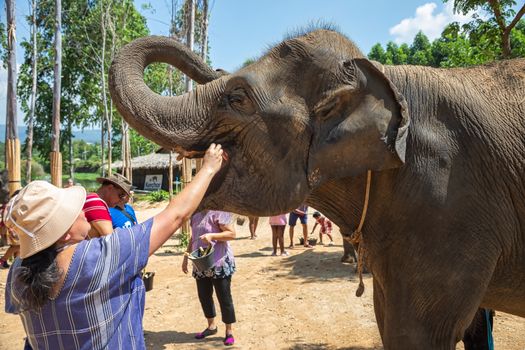
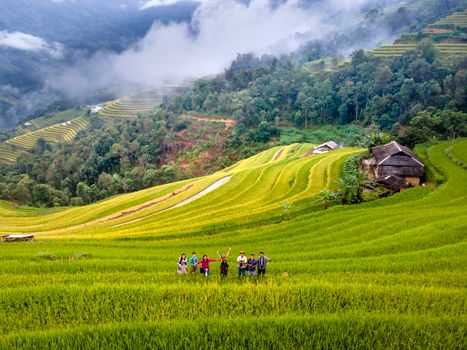
I Stepped Off the Truck and Into Woodsmoke and Fermented Tea
The rain had just stopped over the misty canopy of the Chiang Mai highlands when the songthaew dropped me at the edge of Mae Kampong. The air didn't smell like diesel or hotel air conditioning; it smelled sharply of crushed fermented tea leaves (miang), damp teak wood, and dry woodsmoke puffing from an open hearth.
There were no massive lobby check-in desks, no polished marble, and no corporate logos. Instead, a woman named Mae Kallaya greeted me with a mug of hot, locally roasted Arabica coffee and a warm bamboo tray of sticky rice steamed in banana leaves.
"In our village," Kallaya told me as we sat on her wooden balcony suspended over a rushing mountain creek, "you are not staying at a hotel. You are helping us keep our forest standing."
That single afternoon redefined everything I knew about travel. For decades, international tourism operated on a extractive model: global hotel conglomerates buy up pristine land, import supply chains, pay local staff baseline wages, and siphon up to 80% of total revenue back to overseas headquarters—a phenomenon economists call tourism leakage.
Community-based tourism (CBT) completely flips this dynamic. When structured correctly, community tourism that benefits local economies worth considering puts ownership, decision-making, and financial profits directly into the hands of the people who call these places home.
---
5 Global Community Tourism Projects Championing Local Economies
If you want your travel budget to serve as a tool for economic justice rather than corporate profit, these five exceptional initiatives around the globe set the gold standard.
``` TYPICAL LEAKAGE vs. COMMUNITY-BASED TOURISM ┌──────────────────────────────────────────────────────────┐ │ STANDARD RESORT: 80% Money Leaves Local Economy │ │ [Corporate HQs] [Imported Supplies] [Foreign Agencies] │ └──────────────────────────────────────────────────────────┘ ┌──────────────────────────────────────────────────────────┐ │ COMMUNITY TOURISM: 85-90% Retained Locally │ │ [Direct Host Wages] [Village Funds] [Local Food/Farms] │ └──────────────────────────────────────────────────────────┘ ```
---
1. Mae Kampong, Thailand: The Blueprint for Village Conservation
Tucked away in the dense evergreen mountain folds of Northern Thailand, Mae Kampong was once a sleepy village relying solely on miang (fermented tea leaves). In 2000, facing economic pressures, the villagers turned down offers from commercial developers and built their own community-based tourism cooperative instead.
``` +-------------------------------------------------------------+ | MAE KAMPONG PROFIT SPLIT | | [70%] Direct Homestay Host | | [20%] Village Development & Healthcare Fund | | [10%] Forest Watershed Conservation | +-------------------------------------------------------------+ ```
When you stay in a wooden stilt homestay here, your money doesn't disappear into a corporate bank account. Every night’s fee is split systematically: 70% goes directly to your host family, 20% enters a communal welfare fund for elder healthcare and village infrastructure, and 10% finances the upkeep of the surrounding forest watershed.
- The Experience: Hike through old-growth wild tea orchards with a local elder, gather fresh jungle herbs, and learn to cook Sai Oua (Northern Thai herbal sausage) over an open brick burner.
- Pro-Tip: Skip the crowded afternoon tour buses from Chiang Mai. Stay overnight and walk up to the seven-tiered Mae Kampong Waterfall at 6:30 AM. You will have the morning mist and giant tree ferns completely to yourself.
---
2. Taquile Island, Peru: Indigenous Autonomy on Lake Titicaca
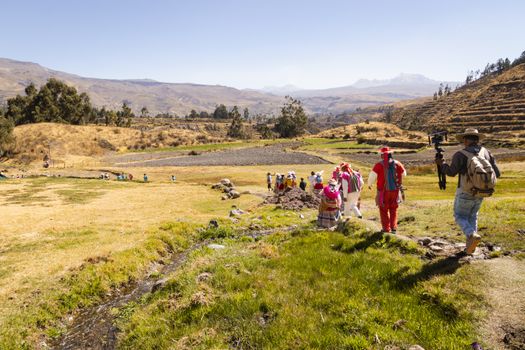
High in the altiplano of Lake Titicaca, the Quechua-speaking inhabitants of Taquile Island run one of the most successful self-managed tourism models in South America. In the late 1970s, when outside operators attempted to build hotels on their ancestral land, the islanders established a strict community rule: no private motor vehicles, no corporate hotels, and no outside travel agencies buying property.
``` TAQUILE ISLAND COMMUNITY INFRASTRUCTURE ┌────────────────────────────────────────────────┐ │ Central Weavers Collective (Equal Profit Ledger)│ ├────────────────────────────────────────────────┤ │ Rotational Family Homestay Roster │ ├────────────────────────────────────────────────┤ │ Community Transport Boat Association │ └────────────────────────────────────────────────┘ ```
The island runs on a rotational host system. Incoming travelers are assigned to local families sequentially, guaranteeing that every household—not just the ones on the main trail—gets an equal share of tourism income. Furthermore, Taquile is world-famous for its textile art, recognized by UNESCO. Intriguingly, the finest knitting is done exclusively by men, using hand-spun alpaca and sheep wool.
- The Experience: Share a meal of baked trout, native Andean potatoes, and muña (Andean mint) tea cooked by your host family, while learning about ancient Inca weaving symbols that convey civil status and village history.
- Pro-Tip: Purchase textiles directly from the central communal store in the Plaza de Armas. Every item carries a hand-written tag identifying the weaver, and 100% of the listed price goes directly to that specific artisan.
---
3. Binsar Sanctuary, India: The Village Ways Trail
In the high Himalayan foothills of Uttarakhand, India, traditional hill villages faced a quiet crisis: a lack of jobs was forcing young people to migrate to polluted megacities, leaving historical stone-and-slate hamlets deserted. Enter Village Ways, a social enterprise operating across the Binsar Wildlife Sanctuary.
Rather than building luxury eco-resorts, Village Ways worked with local panchayats (village councils) to convert unused ancestral homes into rustic guest houses owned by the villagers themselves.
``` +-------------------------------------------------------------+ | VILLAGE WAYS COMMITTEE | | - Guides: Local farmers trained in ornithology | | - Cooks: Village home-cooks using indigenous grains | | - Porters: Rotational livestock owners | | - Supply Chain: 100% organic local terraced farms | +-------------------------------------------------------------+ ```
- The Experience: Trek along ancient stone mule paths from village to village through oak and rhododendron forests, backed by views of Nanda Devi. At night, stay in traditional stone houses, eating hot rotis made from local madua (finger millet) and lentil dal seasoned with wild mountain herbs.
- Pro-Tip: Ask your village guide to point out native Himalayan medicinal plants along the trail. Request a side dish of bhang ki chutney—a delicious, tangy local condiment made from toasted hemp seeds, garlic, and fresh mint.
---
4. Il Ngwesi Eco-Lodge, Kenya: Pastoralist-Led Conservation
Located on the edge of the Mukogodo Forest in Laikipia, Il Ngwesi means "People of Wildlife" in the Laikipia Maasai language. Built in the late 1990s using local stone, deadwood, and thatch, this stunning safari lodge is 100% owned and operated by the local Maasai community.
``` IL NGWESI REVENUE PIPELINE ┌──────────────────────────────────────────────────────────┐ │ Safari Lodge & Conservation Fees │ └────────────────────────────┬─────────────────────────────┘ │ ┌────────────────────┴────────────────────┐ ▼ ▼ ┌─────────────────┐ ┌─────────────────┐ │ Community Funds │ │ Wildlife Patrol │ ├─────────────────┤ ├─────────────────┤ │ - Schooling │ │ - Anti-Poaching │ │ - Solar Wells │ │ - Habitat Guard │ │ - Healthcare │ │ - Rhino Security│ └─────────────────┘ └─────────────────┘ ```
Unlike classic luxury safari lodges where native communities are relegated to low-wage service roles, the Il Ngwesi board consists of village elders. Every safari dollar helps fund community health clinics, clean water boreholes, school bursaries, and anti-poaching rangers who protect endangered white rhinos and elephants roaming the land.
- The Experience: Ditch the diesel-engine safari vehicles for a walking safari led by Maasai trackers who analyze animal tracks, bird calls, and medicinal flora with staggering precision.
- Pro-Tip: Visit during the dry season (July to October) when wildlife concentrates along the Ngare Ndare River right below the lodge decks.
---
5. San Juan La Laguna, Guatemala: Tz’utujil Maya Cultural Resilience
While nearby towns around Lake Atitlán are often overtaken by party hostels and high-rise developments, San Juan La Laguna remains a proud stronghold of Tz’utujil Maya culture. The town organized itself into a series of community-run cooperatives focusing on organic agriculture, traditional dyeing, and public art murals.
``` +-------------------------------------------------------------+ | SAN JUAN LA LAGUNA COOP MODEL | | - Asociación Ketzoel: Natural dye weaving preservation | | - La Voz del Lago: Organic shade-grown coffee processing | | - Municipal Art Guild: Street murals depicting indigenous history | +-------------------------------------------------------------+ ```
Women-led weaving cooperatives like Asociación Ketzoel use zero chemical dyes. Instead, they produce thread colored naturally with avocado pits, carrot tops, beetroots, and indigo leaves. When you buy a scarf here, the money supports female heads of household, funding education and food security directly.
- The Experience: Take an immersive workshop with a master weaver to spin raw cotton using traditional drop spindles, then dye the fibers over wood fires using local botanicals.
- Pro-Tip: Avoid taking day-trip boats from Panajachel that give you only 45 minutes in town. Stay overnight at a local family-run posada and hire a local indigenous guide from the municipal tourist center for a early morning mural walking tour.
---
Breakdown: How Your Money Moves in Community Tourism
To understand why community tourism that benefits local economies worth considering is so vital, compare how a $100 travel budget distributes through traditional channels versus a community initiative:
``` TRADITIONAL TOURISM LEAKAGE MODEL ┌─────────────────────────────────────────┐ │ Foreign Travel Booking Agency $35 │ │ International Hotel HQ $30 │ │ Imported Food Supply Chain $15 │ │ Local Wages & Native Operations $20 │ └─────────────────────────────────────────┘
COMMUNITY-BASED TOURISM MODEL ┌─────────────────────────────────────────┐ │ Direct Host Family Income $60 │ │ Communal Healthcare & Education $20 │ │ Forest/Ecosystem Conservation $10 │ │ Regional Transport & Local Food $10 │ └─────────────────────────────────────────┘ ```
---
Logistics, Costs & Planning Guide
Planning a trip centered on community tourism requires looking past generic travel reservation engines. Below is a quick breakdown to help you budget and organize your logistics.
| Destination | Avg. Daily Budget (USD) | Best Time to Visit | How to Get There | Primary Local Benefit | | :--- | :--- | :--- | :--- | :--- | | Mae Kampong (Thailand) | $35 – $50 | Nov – Feb (cool, dry season) | Minivan or songthaew from Chiang Mai's Warorot Market (1.5 hrs). | Direct funding for mountain watershed protection & village healthcare. | | Taquile Island (Peru) | $40 – $60 | May – Oct (dry winter season) | Community passenger boat from Puno harbor on Lake Titicaca (3 hrs). | Total retention of textile earnings; rotational host model eliminates wealth gap. | | Binsar Sanctuary (India) | $60 – $90 | Oct – Mar (clear mountain views) | Train from Delhi to Kathgodam, then a private taxi to Binsar gate (3 hrs). | Reverses rural-to-urban youth migration; preserves historic stone architecture. | | Il Ngwesi (Kenya) | $250 – $400 (all-inclusive) | Jun – Oct; Dec – Mar | 4x4 transfer from Nanyuki town (3 hrs) or bush taxi to local airstrip. | 100% community-owned land trust funding local schools and anti-poaching security. | | San Juan La Laguna (Guatemala) | $30 – $55 | Nov – Apr (dry season) | Public passenger launch (lancha) from Panajachel or Santiago Atitlán (30 mins). | Empowers female Maya weavers; bypasses commercial middleman export markets. |
---
How to Spot Real Community Tourism (And Avoid "Impact-Washing")
As sustainable travel grows in popularity, standard commercial operators routinely rebrand standard tours with buzzwords like "eco," "authentic," and "community-supported."
Before booking, run your itinerary through this four-step evaluation process:
``` VERIFICATION CHECKLIST FOR CBT ┌──────────────────────────────────────────────────┐ │ 1. WHO OWNS THE LAND & ACCOMMODATION? │ │ Check if property is community-held trust. │ ├──────────────────────────────────────────────────┤ │ 2. IS FINANCIAL TRANSPARENCY PUBLISHED? │ │ Look for defined host-vs-communal-fund splits.│ ├──────────────────────────────────────────────────┤ │ 3. ARE CULTURAL SESSIONS HOST-LED? │ │ Ensure residents speak for themselves. │ ├──────────────────────────────────────────────────┤ │ 4. ARE VISITOR NUMBERS CAP-REGULATED? │ │ Confirm village sets clear foot-traffic caps. │ └──────────────────────────────────────────────────┘ ```
- Who owns the land and the buildings? If the land is leased by a foreign holding company, it is not true community tourism. Real CBT projects feature property owned by a local cooperative, village council, or family trust.
- Is there clear financial transparency? Responsible projects state clearly where your payment goes (e.g., "70% to host, 20% to village fund, 10% to conservation"). If a company refuses to break down its fee structure, assume the funds are leaving the destination.
- Are cultural interactions participant-led? Avoid tours where visitors passively watch local residents like museum exhibits. Authentic projects feature host-led workshops, shared agricultural labor, or joint meals where cultural exchange happens as equals.
- Is visitor volume managed locally? True community projects establish explicit daily quotas to prevent overtourism from destroying their peaceful lifestyle, local water supplies, and traditional customs.
---
Final Thoughts: Changing How We Travel
Choosing community tourism that benefits local economies worth considering isn't about compromising on comfort or sacrificing deep travel experiences. It is about trading sterile, mass-produced hotel corridors for genuine human connection, shared meals, and incredible stories.
When you pack your bags, choose to spend your travel budget thoughtfully. Place your money directly into the hands of the storytellers, weavers, farmers, and elders who keep our world’s incredible heritage alive.
---