The Secret Ingredient: Why Market Tour Cooking Classes Are Your Next Must-Book Adventure
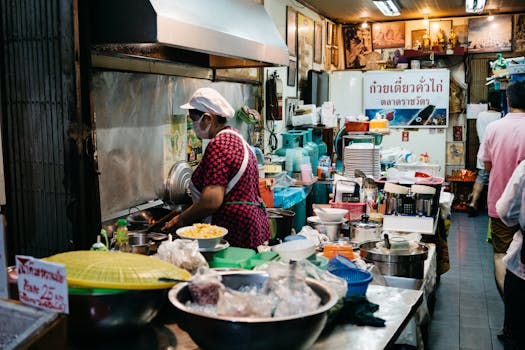
The aroma of fresh spices, the cacophony of vendors calling out their wares, the vibrant explosion of colors from exotic fruits and vegetables – this is where the heart of a culture truly beats. I've traveled to dozens of countries, tasted everything from street food delights to Michelin-starred marvels, but nothing, and I mean nothing, has connected me to a place quite like a cooking class that begins in a local market.
I remember my first time. It was in a tiny alleyway kitchen in Marrakech, Morocco. We’d spent the morning navigating the dizzying labyrinth of the souks, our guide, a jovial woman named Fatima, pointing out everything from preserved lemons to pungent argan oil. She didn't just show us where to buy; she taught us how to choose – the firmest tomatoes, the brightest saffron, the freshest mint. Back in her kitchen, with the spices we’d just purchased, we transformed simple ingredients into a fragrant tagine and fluffy couscous. It wasn't just a meal; it was a story, a connection, a piece of Morocco I carried home in my heart (and my recipe book). That’s when I realized: these aren't just cooking classes; they're cultural immersion experiences, and the market tour is the secret ingredient that makes them truly transformative.
But here’s the kicker: many of these incredible experiences are still flying under the radar. They’re the hidden gems, the small, family-run operations, the passionate chefs who haven’t yet been swallowed by mass tourism. And trust me, you want to find them before they become mainstream. Why? Because that’s where the authenticity thrives, where the groups are small, and where you genuinely feel like a guest, not just another tourist.
Ready to discover the magic? Let’s dive into how to unearth these culinary treasures and some specific examples of where you can find them.
Section 1: Beyond the Recipe Book – The Magic of the Market-to-Table Experience
What makes a market tour cooking class so special? It's more than just learning to chop and stir. It's a multi-sensory journey that unpacks the very essence of a destination.
- Sensory Overload (in the best way!): Imagine the vibrant hues of dragon fruit, the earthy scent of truffles, the sharp tang of fresh lime, the rhythmic chatter of local shoppers. The market is a living, breathing organism, and starting your culinary journey here awakens every sense. You don't just see ingredients; you experience them in their natural habitat.
- Cultural Immersion, Not Just Observation: You're not just watching locals; you're interacting with them. Learning how to haggle (politely!), asking vendors about their produce, understanding the local customs of trade – these are invaluable cultural insights you won't get from a museum or a bus tour. It's truly experiential travel at its finest.
- Understanding the "Why": Why is this particular spice so vital to the cuisine? Where does this vegetable come from? The market tour provides context, bridging the gap between raw ingredients and the finished dish. You'll understand the evolution of flavors, the regional variations, and the stories behind the food.
- Supporting Local Economies: Often, these smaller classes work directly with local vendors, farmers, and artisans. By participating, you're directly contributing to the local economy, ensuring your travel dollars empower the community rather than just lining the pockets of large corporations.
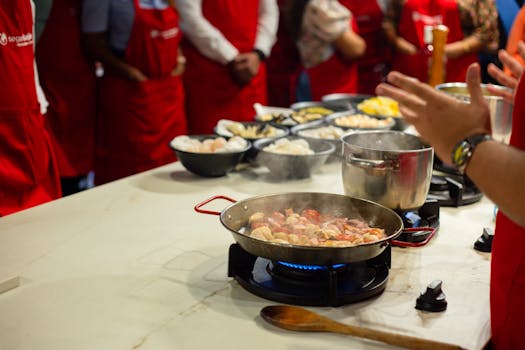
- Small Groups, Big Connections: The "before mainstream" classes typically have smaller group sizes, fostering a more intimate learning environment. This means more one-on-one time with your instructor, deeper conversations, and often, new friendships with fellow food enthusiasts from around the world.
Section 2: How to Spot a Hidden Gem – Finding the "Before Mainstream" Factor
The internet is a powerful tool, but it can also be overwhelming. Here's how to sift through the noise and find those truly authentic, under-the-radar experiences:
- Go Beyond the First Page of Google: Big tour operators dominate the first few search results. Dig deeper! Look for local blogs, niche travel forums, or even Instagram accounts of local foodies.
- Look for Small Group Sizes & Specificity: If a class boasts "up to 20 people" or offers a generic "Thai cooking," it might be more mainstream. Seek out classes that emphasize small, intimate groups (e.g., "max 6-8 participants") and focus on a very specific regional cuisine (e.g., "Lanna cuisine of Northern Thailand" instead of just "Thai food").
- Read Reviews for Authenticity, Not Just Stars: Look for reviews that mention the instructor by name, describe personal interactions with vendors, or highlight unique cultural elements. Generic "great class!" reviews are less helpful. Pay attention to comments about the market experience itself – is it a local market or a tourist-oriented one?
- Check for Local Language Integration: While English instruction is usually available, a class that seamlessly integrates local language snippets, or even encourages you to try a few phrases in the market, often indicates a deeper local connection.
- Seek Out "Home-Style" or "Family-Run" Descriptions: These often signal a more personal, less commercial experience. Many of the best classes are run by families from their own homes or small, dedicated culinary spaces.
- Inquire About the Market: Ask directly if the market visited is a local's market or a tourist-specific one. The more authentic, the better!
- Consider Sustainable Practices: Do they mention sourcing local, seasonal ingredients? Do they minimize waste? These are often indicators of a thoughtful, community-focused operation.
Section 3: Culinary Crossroads – Unearthing Gems in Asia
Asia is a treasure trove of incredible culinary experiences, where market culture is deeply ingrained in daily life.
Chiang Mai, Thailand: The Organic Farm & Lanna Kitchen Experience
My most recent "before mainstream" discovery was just outside Chiang Mai. While many schools vie for attention in the city center, I stumbled upon a family-run operation nestled amidst rice paddies, about 30 minutes out.
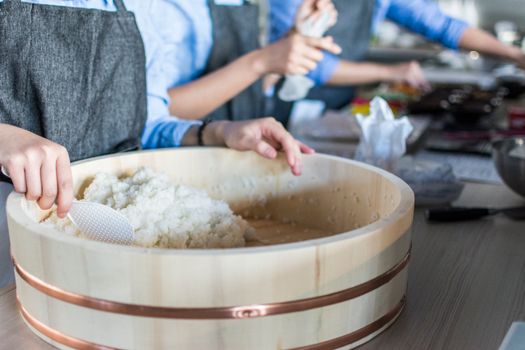
- The Market Immersion: Our day began not just at a market, but with a walk through their own organic garden where we picked fresh herbs and vegetables. Then, a quick trip to a small, local "wet market" where our instructor, a lively woman named Mai, taught us how to identify different types of chilies, galangal, and kaffir lime leaves. She even showed us how to make sticky rice in bamboo steamers, a technique passed down through generations.
- The Cooking: Back at their open-air kitchen, we learned to pound curry pastes from scratch – the rhythmic thud of pestle against mortar creating a symphony of aromas. We made classics like Tom Yum Goong (hot and sour shrimp soup), Gaeng Keow Wan Gai (green curry with chicken), and Pad See Ew (stir-fried noodles). What made it special was Mai’s personal stories about her grandmother’s recipes and the significance of each dish in Lanna culture.
- Details:
- Typical Cost: 1,200 – 1,800 THB (~$35-50 USD) for a full day, including transport, market tour, and multiple dishes.
- What to Look For: Small schools advertising organic farms or traditional Lanna cuisine, often located a little outside the main city. Check reviews for mentions of family-run operations.
- Instagram-Worthy Moment: Pounding fresh curry paste, surrounded by vibrant herbs in an open-air kitchen. The colorful array of ingredients on your workstation.
Hoi An, Vietnam: Riverside Herbs & Basket Boat Adventures
Hoi An is famous for its food, and while many classes exist, finding one that truly immerses you in the local river life is key.
- The Market Immersion: Imagine starting your day with a scenic boat trip along the Thu Bon River, arriving at a bustling riverside market. Here, you'll learn about the fresh seafood, the unique herbs grown in the region, and perhaps even try some local street snacks. Some classes even incorporate a ride in a traditional Vietnamese basket boat, where you might learn to cast a fishing net!
- The Cooking: Often held in a charming open-air kitchen overlooking rice paddies or the river, you’ll focus on Hoi An specialties like Cao Lau (noodle dish), Banh Xeo (sizzling pancakes), and fresh spring rolls. The emphasis is on fresh, local ingredients and the subtle balance of sweet, sour, salty, and spicy.
- Details:
- Typical Cost: 700,000 – 1,200,000 VND (~$30-50 USD), often including hotel pickup, boat trip, and multiple dishes.
- What to Look For: Classes that specifically mention a boat trip to a market, basket boat experience, or focus on Hoi An's unique culinary heritage.
- Instagram-Worthy Moment: Posing in a traditional basket boat, the colorful bounty of the riverside market, or your beautifully plated Banh Xeo.
Section 4: Mediterranean Marvels – Discovering Europe's Secret Kitchens
Europe, with its rich culinary history, offers equally rewarding market-to-table experiences, especially in its lesser-known corners or with hyper-local focuses.
Bologna, Italy: Nonna's Hand-Pulled Pasta Secrets
Forget generic Italian cooking classes. In Bologna, the culinary heart of Emilia-Romagna, you want to learn the art of pasta from a nonna (grandmother).
- The Market Immersion: The Quadrilatero district, Bologna’s ancient market, is a feast for the senses. Your instructor, often an older local woman or a chef deeply connected to the region, will guide you through stalls overflowing with Parmigiano Reggiano, balsamic vinegar, cured meats, and fresh produce. You'll learn to distinguish between different types of flour and understand the importance of seasonal ingredients.
- The Cooking: This is where the magic happens. In a cozy, often home-style kitchen, you’ll learn the sacred art of making fresh pasta from scratch – tagliatelle, tortellini, tortelloni – all by hand, just as generations have done. You'll prepare classic Bolognese sauces, perhaps a rich ragù or a delicate butter and sage sauce. The emphasis is on tradition, patience, and the love poured into each dish.
- Details:
- Typical Cost: €80-€150 (~$90-170 USD) for a half-day class, including market visit, cooking, and meal.
- What to Look For: Classes explicitly mentioning "Nonna's kitchen," "hand-pulled pasta," or small groups. Look for operators part of networks like "Cesarine" (though some of these are becoming more popular, smaller independent ones still exist).
- Instagram-Worthy Moment: Flour-dusted hands rolling out pasta dough, the vibrant colors of fresh produce at the Quadrilatero, or your perfectly shaped tortellini.
Seville, Spain: Tapas & Sherry Secrets of Triana
While Barcelona and Madrid get a lot of culinary attention, Seville offers a more intimate and equally delicious dive into Spanish cuisine, particularly in the Triana district.
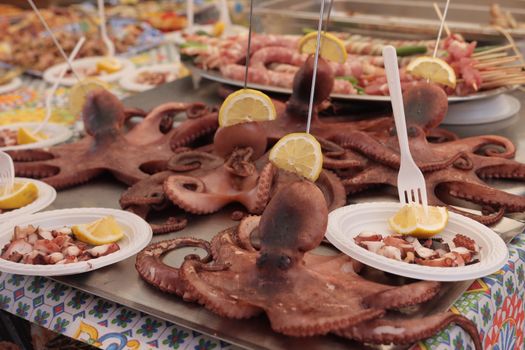
- The Market Immersion: The Mercado de Triana, built over the ruins of the infamous Castillo de San Jorge, is a vibrant hub where locals shop. Your guide will introduce you to the dizzying array of Spanish hams, cheeses, fresh seafood, and olive oils. You'll learn about the different types of olives, how to choose the best jamón, and the regional specialties that define Andalusian cuisine.
- The Cooking: In a dedicated kitchen space nearby, you’ll learn to prepare a selection of classic tapas – perhaps gambas al ajillo (garlic shrimp), spinach with chickpeas, or a traditional tortilla Española. Many classes also include a tasting and explanation of sherry wines, a staple of the region. The atmosphere is often lively, with music and plenty of opportunities to chat and laugh.
- Details:
- Typical Cost: €70-€120 (~$80-130 USD) for a half-day experience.
- What to Look For: Classes specifically mentioning Triana Market, focus on Andalusian tapas, or include sherry tasting.
- Instagram-Worthy Moment: Colorful displays of fresh seafood and produce at Mercado de Triana, a perfectly golden tortilla Española, or a toast with a glass of local sherry.
Section 5: Latin American Larder – Spices and Stories
Latin America's culinary landscape is incredibly diverse, offering rich flavors and ancient traditions often rooted in indigenous ingredients.
Oaxaca, Mexico: Mole & Mezcal Magic
Oaxaca is Mexico's culinary capital, renowned for its seven moles and vibrant markets. To truly understand Oaxacan cuisine, you must visit its markets.
- The Market Immersion: A visit to one of Oaxaca's sprawling markets, like Mercado de Abastos or the Sunday market in Tlacolula, is an absolute must. Your guide will navigate you through mountains of chilies (fresh and dried), exotic fruits, local cheeses, and the unique ingredients that make up the region’s famous moles. You’ll learn about the pre-Hispanic roots of many ingredients and the importance of corn in Mexican culture.
- The Cooking: Back in a traditional Oaxacan kitchen (often a local home or a small, dedicated space), you'll embark on the journey of making mole – a complex, multi-ingredient sauce that can take hours. You might focus on a specific mole (e.g., Mole Negro, Mole Coloradito) and also learn to make fresh tortillas by hand, salsas, and perhaps a refreshing agua fresca. Many classes culminate in a mezcal tasting, pairing the smoky spirit with local delicacies.
- Details:
- Typical Cost: 1,500 – 2,500 MXN (~$80-130 USD) for a full-day experience, including market tour, cooking, and mezcal tasting.
- What to Look For: Classes that emphasize traditional Oaxacan moles, visit specific local markets beyond just the tourist ones, or are run by local families.
- Instagram-Worthy Moment: A vibrant display of dried chilies, grinding spices for mole, or your hands patting out fresh tortillas.
Cusco, Peru: Andean Superfoods & Ceviche Secrets
Beyond Machu Picchu, Cusco offers a rich culinary heritage, blending indigenous ingredients with Spanish influences.
- The Market Immersion: Begin your day at the bustling Mercado San Pedro, an authentic local market where you’ll find an incredible array of Peruvian potatoes (thousands of varieties!), quinoa, exotic fruits, and unique Andean cheeses. Your chef-guide will introduce you to ingredients like aji amarillo (yellow chili), rocoto pepper, and huacatay (Peruvian black mint), explaining their significance in local dishes.
- The Cooking: In a kitchen often overlooking the city or in a charming colonial building, you’ll learn to prepare iconic Peruvian dishes. Ceviche is a must – understanding the freshness of the fish and the perfect "leche de tigre" marinade. You might also make Lomo Saltado (stir-fried beef), Causa Rellena (layered potato dish), or a hearty Aji de Gallina (creamy chicken stew). A Pisco Sour demonstration is almost always included!
- Details:
- Typical Cost: 150 – 250 PEN (~$40-70 USD) for a half-day experience.
- What to Look For: Classes that highlight Andean ingredients, visit Mercado San Pedro, or focus on specific Peruvian regional dishes.
- Instagram-Worthy Moment: The colorful potato section of Mercado San Pedro, the vibrant ingredients for ceviche, or shaking your own Pisco Sour.
Section 6: Beyond the Plate – Making Your Experience Count
You've found your hidden gem, booked your class, and are ready for the adventure. Here’s how to maximize the experience:
- Ask Questions (Lots of Them!): Don't be shy. Ask your instructor about their family recipes, the history of the dishes, local traditions, and tips for finding specific ingredients back home.
- Take Notes (and Photos!): While the experience is about immersion, jot down key steps, ingredient ratios, and unique techniques. Capture the moments with photos – the vibrant market, the cooking process, and your delicious creations.
- Engage with Locals: In the market, try a few local phrases, smile, and show genuine interest. These small gestures can open doors to more authentic interactions.
- Be Present: Put your phone away (unless you're snapping a quick photo!). Savor the smells, the sounds, the textures. This isn't just a cooking lesson; it's a memory in the making.
- Bring Home the Flavors: Ask about local spices or ingredients that travel well. Many instructors will be happy to point you to the best place to buy them as souvenirs.
- Share Your Experience: Post on social media, tag the school, and tell your friends. Word-of-mouth is how many of these hidden gems thrive!
Section 7: Your Turn to Discover – Practical Tips for Booking & Budgeting
Ready to embark on your own culinary treasure hunt?
- Research Platforms: Beyond Google, check Airbnb Experiences (many small, local operators list here), GetYourGuide (filter by smaller group sizes), and dedicated culinary travel blogs. Sometimes, a simple search for "[city name] local cooking class" or "[city name] market tour cooking" will yield better results than "best cooking class."
- Booking in Advance: For truly "hidden" gems with small group sizes, booking at least a few weeks in advance is highly recommended, especially during peak travel seasons.
- What's Included?: Always check if the price includes the market tour, all ingredients, drinks (sometimes local wine/beer is included), and the meal itself. Transportation to and from the meeting point is also a good thing to clarify.
- Budgeting: As you've seen, prices can vary widely depending on the country, the length of the class, and what's included. Expect to pay anywhere from $30-$170 USD. While this might seem more than a typical restaurant meal, remember you're paying for an immersive experience, a guided market tour, expert instruction, and a multi-course meal you helped create. It's an investment in cultural understanding and unforgettable memories.
The Ultimate Souvenir: A Recipe and a Story
A cooking class with a market tour isn't just about learning to cook a new dish. It's about understanding the soul of a place through its food. It's about connecting with locals, supporting small businesses, and creating memories that are far richer and more meaningful than any postcard. These are the experiences that transform a trip into a journey, a tourist into a traveler, and a meal into a story.
So, next time you plan a trip, don't just eat your way through the destination. Cook your way through it, starting with the vibrant heart of its local market. Go forth, explore, and uncover these culinary treasures before everyone else does!
What hidden culinary gems have you discovered on your travels? Share your stories and tips in the comments below!
---