The Hook: Stepping Into the Forbidden
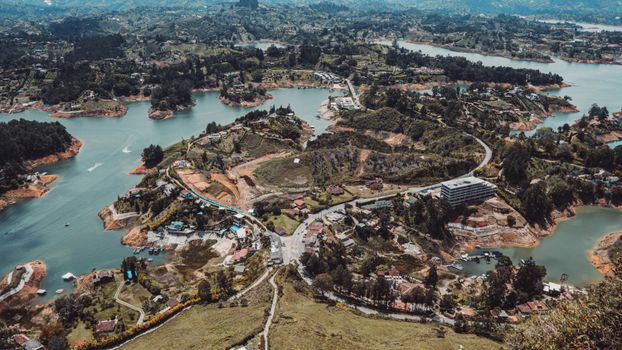
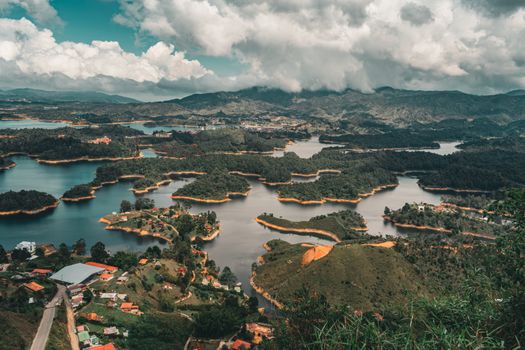
I stepped off the single-propeller plane in San José del Guaviare and was immediately hit by the thick, sweet scent of crushed wet leaves and fermented cacao. For over forty years, this patch of Colombian jungle was a ghost zone—a stronghold of the FARC guerrilla movement where no outsider dared tread. The air was heavy, vibrating with the high-pitched hum of cicadas and the distant, throaty roar of howler monkeys.
As I scraped dried orange mud off my boots, I realized I was standing in a place that, until very recently, existed only as a blank space on modern maps.
``` ___________ / \ / OFF-LIMITS \ ---> [ NOW OPEN ] ---> The Ultimate Travel Frontier \ FOR YEARS / \___________/ ```
We are living in an unprecedented era of travel rediscovery. Borders that were sealed tight for decades due to political strife, hyper-strict conservation laws, or total isolation are finally opening. But forget the over-touristed traps of Western Europe or the crowded beaches of Southeast Asia. The real adventure lies in the corners of the earth that are waking up from long, historical slumbers.
These are the countries opening borders after years of closure worth considering right now.
---
1. Guaviare, Colombia: The Amazonian Sistine Chapel
For nearly half a century, Colombia's Guaviare province was completely swallowed by civil conflict. When the historic peace accords were signed, this transition zone between the Andes, the Orinoco plains, and the Amazon rainforest slowly began to welcome intrepid travelers.
The Lost Art of Cerro Azul
The crown jewel of Guaviare is Cerro Azul, an isolated tepui (tabletop mountain) rising dramatically out of the emerald canopy. Painted onto its sheer, ochre-stained rock faces are tens of thousands of ice-age pictographs. These vibrant red murals, painted with mineral pigments over 12,000 years ago, depict extinct megafauna, giant sloths, and early humans leaping through the forest.
``` [Forest Canopy] ---> [Tepui Rock Face] ---> [12,000-Year-Old Ochre Murals] ```
The Insider Experience
You won’t find paved walkways or velvet ropes here. You will hike through humid, primary jungle, squeezing through dark limestone caves where bats roost, before emerging onto the cliff edges to see the paintings. The colors are so vivid they look as if they were painted last Tuesday, preserved by the natural overhangs of the rock.
- Pro-Tip: Hire a local guide who is an ex-combatant. Many former guerrilla fighters have transitioned into conservation and tourism, offering an unparalleled narrative of the region’s history. The best light for photographing the red murals is at 2:00 PM when the sun filters through the canopy at a 45-degree angle.
- The Vibe: Raw, humid, and profoundly historic.
---
2. AlUla, Saudi Arabia: Unlocking the Nabataean Kingdom
For generations, Saudi Arabia was one of the most difficult countries on earth to enter, issuing visas almost exclusively for religious pilgrimage or business. That changed with the introduction of the tourist e-Visa, unlocking a treasure trove of archaeological wonders that have remained virtually untouched by Western eyes.
The Tomb of Lihyan Son of Kuza
While Jordan’s Petra is swarmed by thousands of tourists daily, its sister city to the south, Hegra in AlUla, offers the same jaw-dropping Nabataean architecture in near-total solitude. Hegra was the Nabataeans' southern capital, featuring over 100 monumental tombs carved directly into massive sandstone outcrops rising from the desert floor.
The most iconic is the Tomb of Lihyan, Son of Kuza (Qasr al-Farid), a four-story-tall monolithic tomb left solitary in the desert expanse. The precision of the geometric stone-cutting against the rugged, wind-sculpted sand is nothing short of hypnotic.
``` _________ | _____ | <--- Hand-carved sandstone facade | | | | | |_[ ]_| | <--- Monolithic tomb entrance |_________| [Saudi Desert] ```
The Insider Experience
The Saudi government has invested heavily in luxury eco-tourism here, balancing ultra-modern design with deep heritage preservation. You can spend your morning exploring 2,000-year-old mud-brick ruins and your evening drinking cardamom-perfumed gahwa (traditional coffee) under a canopy of stars.
- Pro-Tip: Book the raw, unpaved night tour of Elephant Rock (Jabal AlFil). While the daytime crowds gather at the nearby cafes, the late-night desert wind cools the sand, and the local guides (Rawis) tell ancestral stories under a brilliant, unpolluted Milky Way.
- The Vibe: Cinematic, luxurious, and vast.
---
3. The Kingdom of Bhutan: The High-Value, Low-Impact Renaissance
Bhutan has never been "open" in the traditional sense. This Himalayan kingdom has fiercely guarded its culture and environment for decades, limiting visitor numbers through a mandatory daily fee. During the pandemic, the country sealed its borders entirely for over two years. When they finally reopened, they completely overhauled their tourism model, introducing a revamped Sustainable Development Fee (SDF).
The Trans-Bhutan Trail
The reopening coincided with the restoration of the Trans-Bhutan Trail, a 250-mile historic pilgrimage route that connects the country from west to east. For the first time in 60 years, travelers can hike, bike, and walk the same paths used by messengers, monks, and traders since the 16th century.
``` [Paro] === (Trans-Bhutan Trail) ===> [Punakha] ===> [Trashigang] ```
You will traverse pristine alpine meadows, rhododendron forests, and ancient suspension bridges draped in colorful prayer flags, all while staying in homestays where you can sample ema datshi (a fiery local dish of chilies and yak cheese).
The Insider Experience
While the SDF (currently $100 USD per night for most nationalities) makes it a premium destination, it ensures that you are one of only a handful of travelers experiencing these sacred valleys.
- Pro-Tip: Avoid the crowded midday climb to Paro Taktsang (The Tiger’s Nest). Start your ascent at 6:30 AM. When you reach the second viewing platform, look for the small, unassuming wooden door on the left; the resident monk often invites early climbers in for butter tea before the main gates open.
- The Vibe: Spiritual, pristine, and physically demanding.
---
4. Algeria: The Mediterranean’s Best-Kept Roman Secret
Algeria has long been notoriously difficult to access due to a complex, bureaucratic visa process. However, the government has recently introduced a streamlined visa-on-arrival system for tourists booking through registered desert agencies, opening up a country that boasts some of the best-preserved Roman ruins in the world—without a single selfie stick in sight.
The Ruined Splendor of Djemila
Located in the mountainous region of northern Algeria, Djemila (ancient Cuicul) is a UNESCO World Heritage site that rivals Pompeii. Here, an entire Roman city—complete with a forum, temples, basilicas, triumphal arches, and private villas—clings to a dramatic mountain ridge 3,000 feet above sea level.
``` /\_/\ <--- Mountain Ridge / _ _ \ / | | | \ <--- Intact Roman Columns of Djemila / |_|_| \ /___________\ ```
Unlike Rome, where ruins are roped off and surrounded by traffic, in Djemila you can walk freely along the cracked limestone streets, tracing the chariot ruts with your fingers while listening to nothing but the wind rustling through the pines.
The Insider Experience
Combine the Roman north with a flight south to Tassili n'Ajjer, a vast sandstone plateau in the Sahara Desert containing prehistoric rock art, towering dunes, and rock arches that feel like another planet.
- Pro-Tip: To navigate the winding Casbah of Algiers safely and access the hidden rooftop terraces overlooking the Mediterranean, hire a local guide named Zouhir near the Ketchaoua Mosque. He has keys to private, restored Ottoman-era palaces that aren't open to the public.
- The Vibe: Earthy, monumental, and nostalgic.
---
5. Timor-Leste: Asia's Newest Frontier for Ocean Purists
After gaining independence in 2002, Timor-Leste (East Timor) faced years of rebuilding, followed by strict pandemic-era border closures. Now open and eager for sustainable development, this young nation offers something that has virtually vanished from the rest of Southeast Asia: completely untouched marine ecosystems.
The Coral Walls of Atauro Island
Just a short boat ride from the capital city of Dili lies Atauro Island, located in the heart of the Coral Triangle. In 2016, scientists discovered that the reefs surrounding Atauro have the highest average fish and coral diversity per site anywhere on Earth.
``` [Dili Coast] === (Wet-Landing Boat) ===> [Atauro Island Reefs]
- Highest Marine Biodiversity on Earth
```
Because the island was isolated for so long, the coral walls are pristine. You can swim just yards from the shore and find yourself suspended over a 100-meter drop-off, surrounded by hawksbill turtles, reef sharks, and schools of neon-colored anthias.
The Insider Experience
Timor-Leste is not for the traveler who needs five-star luxury. It is for the pioneer. You will travel in local outriggers, stay in basic eco-lodges run by local cooperatives, and drink some of the richest, organic, shade-grown wild coffee on the planet.
- Pro-Tip: Take the local water taxi (be prepared for a wet landing) from Dili to Atauro Island on a Thursday. Hike up to the volcanic highlands of the village of Anartutu to see the local women weave tais (traditional textiles) and intricate fish-shaped baskets from dried palm leaves.
- The Vibe: Untamed, oceanic, and deeply authentic.
---
The Budget & Logistics: How They Compare
Planning a trip to a newly opened border requires meticulous preparation. Here is a breakdown of what to expect on the ground:
| Destination | Est. Daily Cost (USD) | Best Time to Visit | How to Get There | Visa Status | | :--- | :--- | :--- | :--- | :--- | | Guaviare, Colombia | $60 - $120 | Dec to March (Dry season) | Fly from Bogotá to San José del Guaviare (1 hour) | Easy tourist visa on arrival for most Western nations | | AlUla, Saudi Arabia | $250 - $600+ | Oct to April (Cooler months) | Direct flights to AlUla (ULH) from Dubai or Riyadh | Simple online e-Visa (processed in minutes) | | Bhutan | $200 - $400 (inc. SDF) | Oct to Dec (Clear skies) | Fly into Paro (PBH) via Bangkok or New Delhi | Visa required; must be processed via registered tour operator | | Algeria | $80 - $150 | Oct to May | Fly to Algiers (ALG), then domestic flights south | Visa on arrival available for desert tours; otherwise pre-apply | | Timor-Leste | $50 - $100 | May to November | Fly to Dili (DIL) from Darwin, Australia or Bali | Visa on arrival available at Dili airport ($30 USD) |
---
The Verdict: Why You Must Go Now
The window of opportunity for these destinations is incredibly narrow.
When a country opens its borders after years of closure, there is a golden period—typically lasting only 24 to 36 months—before major hotel chains move in, tour buses clog the narrow streets, and local authenticity is packaged for mass consumption.
Right now, in these five destinations, you can still experience the thrill of true discovery. You can stand in front of a 12,000-year-old painting, dive a reef that has never seen a commercial charter boat, or walk through a Roman city in absolute silence.
Pack your bags, respect the local customs, and go before the rest of the world catches on.
---