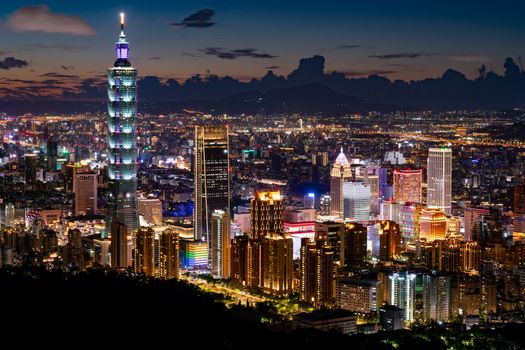
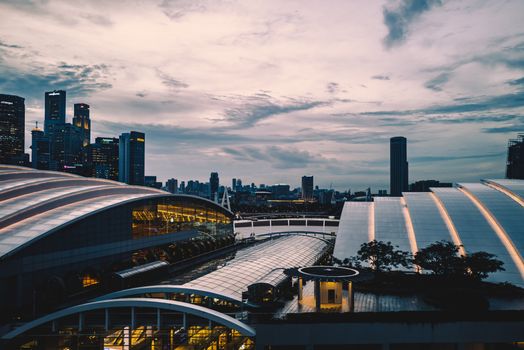
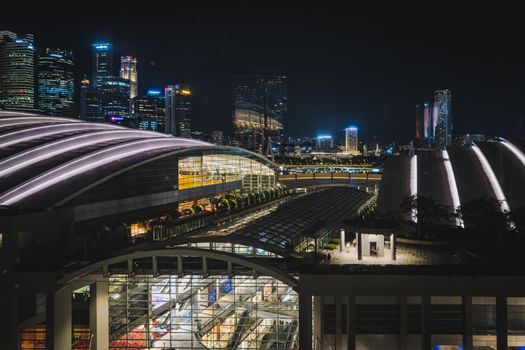
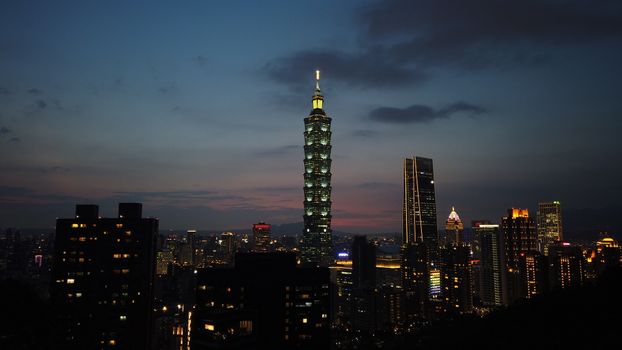
When travellers say that parts of Asia feel "ahead" of the West, they usually mean something specific and practical: tapping a phone to ride a train, scanning a code to pay a street vendor, or gliding between cities on a smooth high-speed line. These experiences are real, but the picture is nuanced. "Asia" covers dozens of countries with very different levels of development, and the West has its own strengths. This guide looks at the areas where certain Asian places are widely regarded as advanced, and it explains what that means for your trip.
Details such as payment apps, entry requirements and connectivity rules change often, so treat this article as an orientation and check official sources before you travel.
A fair framing: leading in some areas, not all
It is more accurate to say that some cities and countries in Asia have invested heavily in particular kinds of infrastructure, and that visitors benefit from it. Japan, South Korea, Singapore, China, Taiwan and Hong Kong are often discussed, each with a different emphasis. Other places, such as parts of Southeast Asia and India, have developed striking digital services too, even while physical infrastructure varies.
At the same time, many Western countries lead in other fields, and some Asian regions still depend on cash or have patchy connectivity. Going in with realistic expectations helps you prepare.
High-speed rail: the clearest example
Fast trains are the most visible case where Asia is ahead of many Western countries in sheer network scale.
- Japan opened the Shinkansen in the 1960s, and the bullet train remains an icon. Services are frequent, punctual and comfortable, and the network links major cities across the main islands.
- China has built a vast high-speed network in a relatively short time. Many routes connect big cities in just a few hours, and stations are often large and modern.
- South Korea has high-speed lines that link Seoul with cities such as Busan.
- Taiwan runs a high-speed line along its west coast, making a north-to-south trip easy in a day.
For travellers, this means you can often replace a domestic flight with a train that goes from city centre to city centre. Booking systems vary. Some are easy to use in English, while others work best through apps or counters. Check the official rail operator or authorised sellers for current options.
Practical tips:
- Arrive early at big stations. Security and ticket checks can take time.
- Carry your passport when booking in countries that require it for rail tickets.
- Learn the seat classes, since reserved and unreserved options differ.
- Be mindful of luggage rules and storage space.
Contactless and mobile payments
In several Asian places, paying with a phone has become routine.
China
Mobile wallets built into super-apps are widely used for everything from restaurants to market stalls. In the past, foreign visitors had difficulty linking foreign bank cards, but arrangements have been improving over time. Policies and app features change, so check recent information before you go. It is wise to bring a backup, such as some local currency or a card that works on international networks.
Japan
Japan is often thought of as cash-heavy, and cash is still useful, but contactless options have grown. Rechargeable transport cards, now available on phones in many cases, can also pay in shops, vending machines and some restaurants. Many places also accept major credit cards, although small businesses may prefer cash.
South Korea
Cards are widely accepted, and mobile payment is common. Transport cards work across subway and bus networks. Some local apps may require a local phone number or bank account, so a foreign visitor may find card payments easier.
Singapore and Hong Kong
Both are heavily contactless. Bank cards, stored-value cards and phone wallets work in many situations, and QR payments are common in markets and hawker areas.
Southeast Asia and India
Real-time QR payment systems are popular in places like Thailand, Vietnam, Indonesia and India. Visitors can sometimes use them, but often need a local account or a supported foreign app. A mix of cards and cash is still the safest approach, particularly in smaller towns.
Connectivity: eSIMs, Wi-Fi and speeds
Fast mobile networks are a feature of many Asian cities. Visitors can usually buy a SIM card at the airport or use an eSIM before arrival. Some points to consider:
- Confirm that your phone is unlocked and eSIM capable.
- Compare data plans from reputable providers, paying attention to duration and any fair-use limits.
- Keep in mind that some countries restrict access to certain foreign websites and apps. If you rely on specific services, research what works locally and whether you need alternatives.
- Public Wi-Fi is common in Seoul, Taipei and Singapore, though speed and security vary. Avoid sensitive transactions on open networks.
A travel adapter and a power bank are cheap insurance. Modern phones drain quickly when using maps, translation and payment apps all day.
Urban systems and smart-city features
Several cities invest heavily in public infrastructure that visitors notice immediately.
- Seoul offers clean, well-connected subways with platform doors, wide phone coverage underground and tidy information screens.
- Singapore combines efficient transport with government-led planning, extensive greenery and clear signage.
- Tokyo is known for punctual trains, dependable vending machines and cleanliness in public spaces.
- Shenzhen and Shanghai show a rapid pace of urban development, with large metro systems and modern airports.
- Taipei pairs a reliable metro with strong convenience-store culture, which serves as a hub for payments, parcels and snacks.
In all of these, expect clear queuing norms, a high level of cleanliness and strong expectations around courtesy.
Airports and arrivals
Several Asian airports are often praised for their efficiency and passenger services. Seoul Incheon, Singapore Changi, Tokyo Haneda and Hong Kong are common examples. Features include fast immigration lanes, easy rail links to the city, comfortable rest areas and good retail and dining.
Some countries use digital arrival forms or online pre-registration. Rules change often, so complete any required steps through the official government website, never an unofficial one that charges extra fees.
Delivery, vending and convenience
A quiet pleasure of travelling in parts of Asia is the sheer convenience of daily life.
- Convenience stores in Japan, Taiwan and Korea sell hot meals, toiletries and basic clothing, and often allow payments, ticket collection and luggage forwarding.
- Vending machines offer hot and cold drinks, snacks and sometimes full meals.
- Luggage forwarding services in Japan can send your bags to your next hotel, freeing you to travel with a small daypack.
- Food delivery apps are widespread, which can be handy when you are tired or ill.
These services save time, but ensure you check fees and any language requirements.
Where the picture is more mixed
Honesty matters here. Some limitations are worth knowing about.
- Language barriers. In smaller towns, English can be limited. Translation apps help, as does carrying your hotel name written in the local script.
- Cash dependence. Even in advanced economies, small restaurants, shrines and rural businesses may only take cash.
- App ecosystems. Some services require local numbers, local IDs or locally issued cards.
- Regulatory differences. Internet controls, data rules and privacy practices vary. Understand them before you rely on particular services.
- Uneven rural infrastructure. Beyond major cities, transport may be slower and information scarcer.
None of this should discourage you. It simply means that preparation pays off.
How to prepare in practice
Here is a straightforward checklist for a first trip to a technologically advanced Asian destination.
- Check entry requirements. Visa rules, digital forms and passport validity requirements are published by official government sites.
- Set up payments. Bring at least two payment methods, plus some local cash. Notify your bank of travel and ask about foreign transaction fees.
- Arrange connectivity. Choose an eSIM or local SIM, and download offline maps.
- Install key apps. Transit, translation, taxi and rail booking apps can be installed before you leave, if they are available in your app store.
- Learn the transport cards. Find out which card or wallet works in each city and how to reload it.
- Plan for power. Bring adapters and portable chargers.
- Keep documents handy. Hotel confirmations, rail tickets and passport copies in both digital and paper form are helpful.
Cultural manners with technology
Technology sits within culture. Some etiquette points that apply in many places:
- Keep phone calls short or avoid them on trains in Japan and Korea.
- Do not photograph people without permission, particularly in religious sites.
- Follow rules about drones, which are restricted or banned in many areas.
- Respect queues, whether for trains, escalators or food stalls.
Frequently asked questions
Is Asia really ahead of the West in technology? In certain areas, such as high-speed rail coverage, mobile payments in some countries and urban transport efficiency, many travellers find Asian cities impressive. In other areas the West leads or the situation is mixed. It depends on the country and the field.
Can I rely only on my phone when travelling? It is risky to depend on a single device. Bring a backup payment method, a power bank and some cash, and keep key information offline.
Do foreign bank cards work in China's mobile payment apps? Support has been expanding but conditions change. Check current guidance from the app providers and your bank before departure.
Which country is easiest for a first-time visitor? Japan, Singapore and Taiwan are often recommended for their clear signage, safety and straightforward transport. South Korea and Hong Kong are also popular for first trips.
Summary
Parts of Asia offer everyday technology that can make travel smoother, from high-speed trains and contactless transit to fast mobile networks and convenient urban services. The picture is not uniform, and each country has its own systems, quirks and limitations. Prepare by checking official entry rules, arranging more than one way to pay, setting up connectivity and learning the local transport card. Stay curious, keep a backup plan, and you can enjoy the best of what these places have built while avoiding the common frustrations.