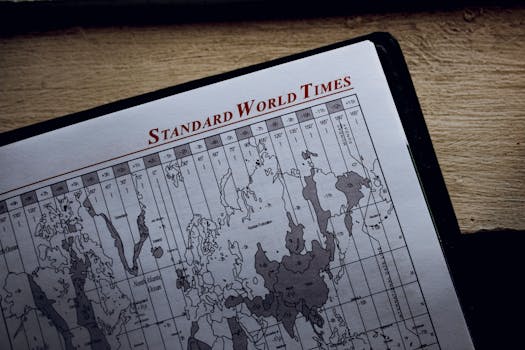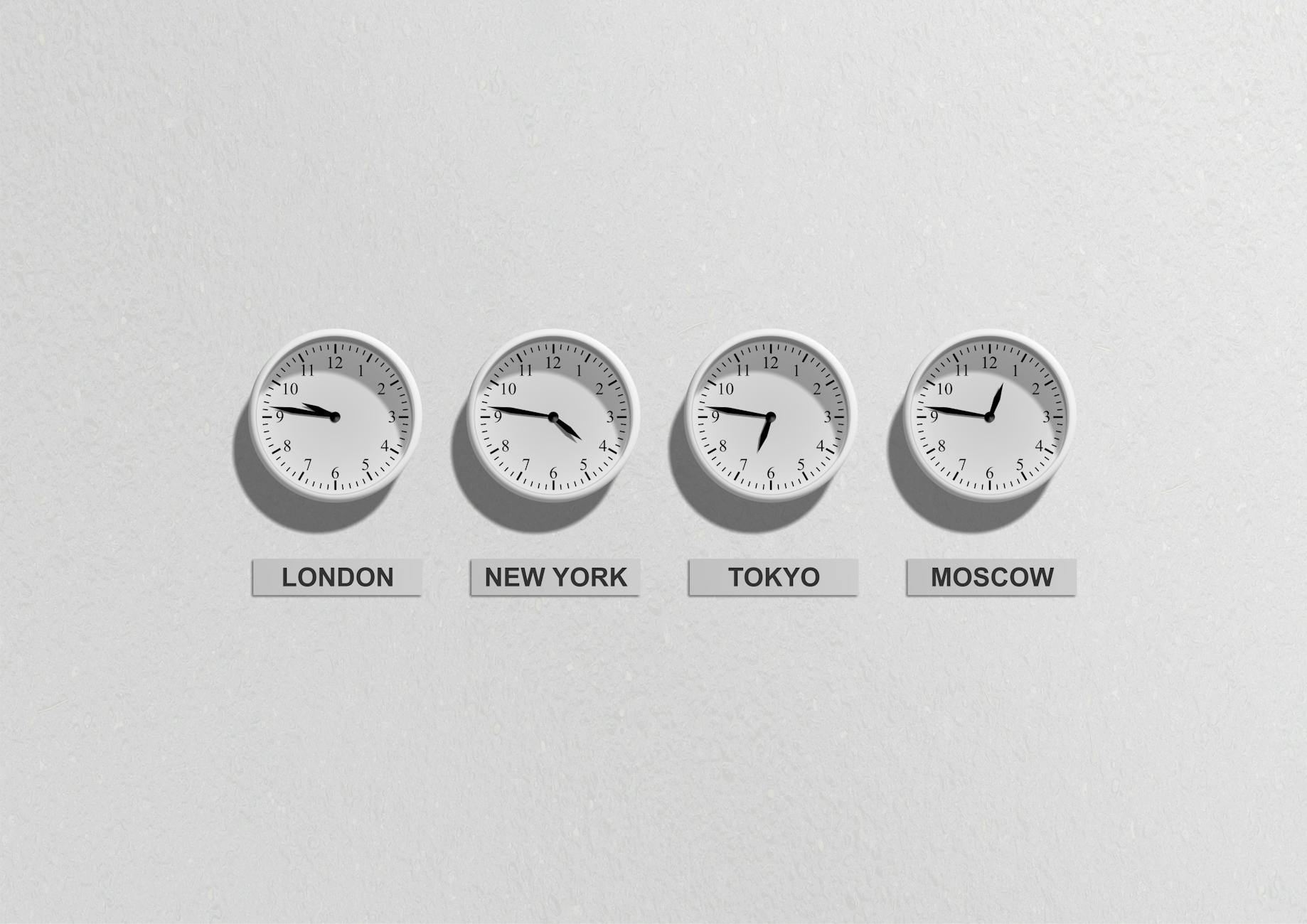
The scent of freshly baked croissants, still warm from the oven, mingled with the faint, metallic tang of the early morning train. I stepped off the platform in Paris, the crisp autumn air biting at my cheeks, and a wave of exhilaration washed over me. It was 7 AM, the city was just stirring, and I had already closed a deal with a client in San Francisco, thanks to a well-timed early start. This, my friends, is the magic of mastering global time zones. It’s not just about convenience; it’s about unlocking unparalleled productivity and truly living the dream of a borderless workday.
For too long, the "digital nomad" or the globally distributed team has been plagued by the dreaded 3 AM video call or the missed urgent email. But it doesn't have to be this way. With a strategic approach, you can weave your work seamlessly across continents, turning potential chaos into a symphony of synchronized success.
The Global Time Zone Conundrum: Why It Matters
Let's be honest, the world is a big, beautiful, and chronologically diverse place. When you’re working with teams or clients spread across the United States, Europe, and Asia, you’re essentially navigating a temporal minefield. The sun rises in one corner of the globe while it sets in another, and your working hours need to dance between these extremes.
Why is this so critical?
- Productivity Peaks: Everyone has their peak performance hours. Working against your natural rhythm leads to burnout and subpar work.
- Client Responsiveness: You want to be there for your clients when they need you, not when it’s inconvenient for you.
- Team Cohesion: Regular, synchronous interaction builds stronger team bonds and fosters a sense of unity.
- Work-Life Balance: The ultimate goal for many of us is to integrate work into our lives, not have it consume them. This requires smart scheduling.
Understanding the Major Time Zone Blocks
Before we dive into the optimal overlap, let’s get a basic grasp of the key regions we're dealing with:
- North America: Primarily Eastern Time (ET), Central Time (CT), Mountain Time (MT), and Pacific Time (PT).
- Europe: A broad spectrum, but major hubs include Greenwich Mean Time (GMT)/Western European Time (WET), Central European Time (CET), and Eastern European Time (EET).
- Asia: Encompasses a vast range, from India Standard Time (IST) to China Standard Time (CST) and Japan Standard Time (JST).
Pro-Tip: Always use a reliable time zone converter! Websites and apps like WorldTimeBuddy or TimeAndDate are lifesavers.
The Golden Overlap: Where US, Europe, and Asia Converge
The sweet spot for collaboration isn't about finding a single hour that works for everyone. It's about identifying windows of opportunity where at least two, and ideally all three, major regions have a reasonable portion of their workday active.
US & Europe: The Morning-Afternoon Dance
This is arguably the most common and productive overlap for many global businesses.
- The Window: When it's late morning/early afternoon in Europe, it's early morning in the US East Coast.
- Example: 9 AM CET (Central European Time) is 3 AM ET (Eastern Time). Not ideal for the US.
- Better Example: 2 PM CET (14:00) is 8 AM ET. This is perfect for the US to start their day and for Europe to wrap up their afternoon.
- Even Better: 4 PM CET (16:00) is 10 AM ET. This offers a solid block of overlap for both regions.
Pro-Tip: For US West Coast (PT), this window shifts. 4 PM CET is 7 AM PT, still very early but manageable for a quick touchpoint.
Insider Insight: Many European businesses consider the late afternoon (4 PM - 6 PM CET) as prime time for international calls. It allows them to address urgent matters before signing off and gives their US counterparts a solid mid-morning slot.
Europe & Asia: The Evening-Morning Synergy
This overlap requires a bit more flexibility, often involving early mornings for Europeans and late evenings for Asians.
- The Window: When it's late afternoon/early evening in Europe, it’s late night/early morning in parts of Asia.
- Example: 5 PM CET is 10 PM IST (India Standard Time). A bit late for India, but possible for urgent calls.
- Better Example: 7 PM CET (19:00) is 12 AM JST (Japan Standard Time). This is late for Japan, but manageable if pre-planned.
- Strategic Overlap: Consider 9 AM JST (9:00) which is 2 AM CET. This requires an early start for Europe but allows for a productive morning for Asia.
Pro-Tip: For teams in China (CST), the overlap is often more favorable. 5 PM CET is 11 PM CST. Still late, but often more feasible than Japan.
Authenticity Check: When I was working with a design studio in Seoul, our most productive syncs happened around 8 AM KST (Korean Standard Time), which was 1 AM CET. We’d schedule these for critical decision-making, knowing that the European team was sacrificing sleep, but it was essential for project momentum.
US & Asia: The "Graveyard Shift" Advantage
This is where things get tricky and often involve the least overlap for synchronous work.
- The Window: When it's late afternoon/evening on the US West Coast, it's morning in Asia.
- Example: 5 PM PT (Pacific Time) is 8 AM JST (Japan Standard Time). This is a fantastic window for US West Coast and East Asia.
- Another Example: 6 PM PT (18:00) is 9 AM CST (China Standard Time). Excellent for US West Coast and China.
Pro-Tip: For US East Coast, this means very late nights. 5 PM PT is 8 PM ET. This is achievable for focused, pre-scheduled calls.
Quick Facts: US West Coast & East Asia Overlap
| Feature | Detail | Estimated Cost ($) | Best Time to Visit (for work focus) | How to Get There | | :---------------- | :-------------------------------------------------------- | :----------------- | :---------------------------------- | :---------------------------------------------------- | | Working Hours | 5 PM - 8 PM PT (US West Coast) = 8 AM - 11 AM JST/CST (Asia) | N/A (Work) | Year-round (focus on business trips) | Flights, reliable internet, co-working spaces | | Productivity | High for critical decision-making, focused tasks | $50 - $500 (per call) | N/A | Virtual meeting platforms (Zoom, Teams, Meet) | | Challenges | Significant time difference, potential fatigue | N/A | N/A | Requires strict scheduling and communication protocols |
Leveraging Asynchronous Work for Global Harmony
While synchronous meetings are crucial, the secret sauce for truly mastering global time zones lies in asynchronous communication. This is where you can work independently, passing information like a baton in a relay race.
Think:
- Detailed Project Management Tools: Asana, Trello, Monday.com allow for task assignment, updates, and discussions that don't require real-time presence.
- Comprehensive Documentation: Well-written briefs, meeting minutes, and knowledge bases ensure everyone is on the same page, regardless of when they access the information.
- Video Messages: Tools like Loom or Vidyard allow you to record explanations or feedback, which recipients can watch at their convenience.
Pro-Tip: When sending an email or message to a global team, explicitly state the time zone you are using for any deadlines or meeting times. "Deadline: EOD Friday PST" is much clearer than just "Deadline: Friday."
The Art of the Handoff: Imagine a designer in Berlin finishing their work day and leaving detailed notes for a developer in Singapore to pick up first thing in the morning. This seamless handoff minimizes delays and keeps projects moving.
Strategies for Seamless Global Collaboration
It’s not just about knowing the time zones; it’s about implementing smart strategies.
1. Embrace Flexibility (and Your Calendar)
- Rotate Meeting Times: Don't always put the burden on one region. Rotate early mornings and late evenings so everyone shares the load.
- Block Your Calendar: Clearly mark your working hours, including any "focus time" or "unavailable" slots. Use calendar invites for everything.
- Identify Core Collaboration Hours: For your specific team or project, determine the 2-3 hour window where synchronous communication is most vital.
Pro-Tip: Use your calendar to visually represent your availability across different time zones. Many tools allow you to see multiple time zones simultaneously.
2. Master Communication Etiquette
- Be Clear and Concise: Get to the point quickly. People are busy, and time zone differences amplify the need for efficiency.
- Set Expectations: Clearly communicate response times. "I'll get back to you within 24 hours" is a reasonable expectation for asynchronous communication.
- Use the Right Channels: Is this an urgent Slack message, a detailed email, or a quick video call? Choose wisely.
Insider Insight: I’ve learned to send detailed “pre-read” materials before important calls. This allows participants to digest information beforehand, making the live discussion more productive and focused on decision-making, not information dissemination.
3. Leverage Technology Wisely
- Time Zone Converters: A non-negotiable tool.
- Collaboration Hubs: Slack, Microsoft Teams, Discord – essential for real-time and asynchronous team chat.
- Project Management Software: As mentioned, crucial for tracking progress and communication.
- Video Conferencing Tools: Zoom, Google Meet, etc., are your lifelines for face-to-face interaction.
Pro-Tip: Explore scheduling tools like Calendly or Acuity Scheduling, which allow clients and colleagues to book time with you based on your pre-set availability across different time zones.
Navigating the "Off-Peak" Hours: When Sacrifice is Necessary
There will inevitably be times when you need to connect outside of the ideal overlap. This is where strategic planning and a bit of grit come in.
- The "Graveyard Shift" Call: If a critical decision needs to be made and it falls during your late night or early morning, schedule it. Ensure you have adequate rest beforehand.
- The "Early Bird" Meeting: For those who are naturally early risers, these can be highly productive.
Pro-Tip: Offer incentives for participating in less-than-ideal time slots. This could be flexible hours later in the week or a small bonus for particularly challenging calls.
The Human Element: Remember, behind every time zone is a person. Be mindful of cultural nuances and individual preferences. What works for one team might not work for another. Open communication about what’s working and what’s not is key.
The Future is Fluid: Adapting to a Globalized Workforce
Working across US, Europe, and Asia is no longer a niche skill; it's becoming the norm. By understanding the nuances of time zones and implementing smart strategies, you can transform potential challenges into powerful advantages. You can stay connected, remain productive, and truly enjoy the freedom and flexibility that a globally distributed life offers. So, embrace the early mornings, the late evenings, and the asynchronous flow. The world is your oyster, and with the right time zone strategy, you can savor every moment.