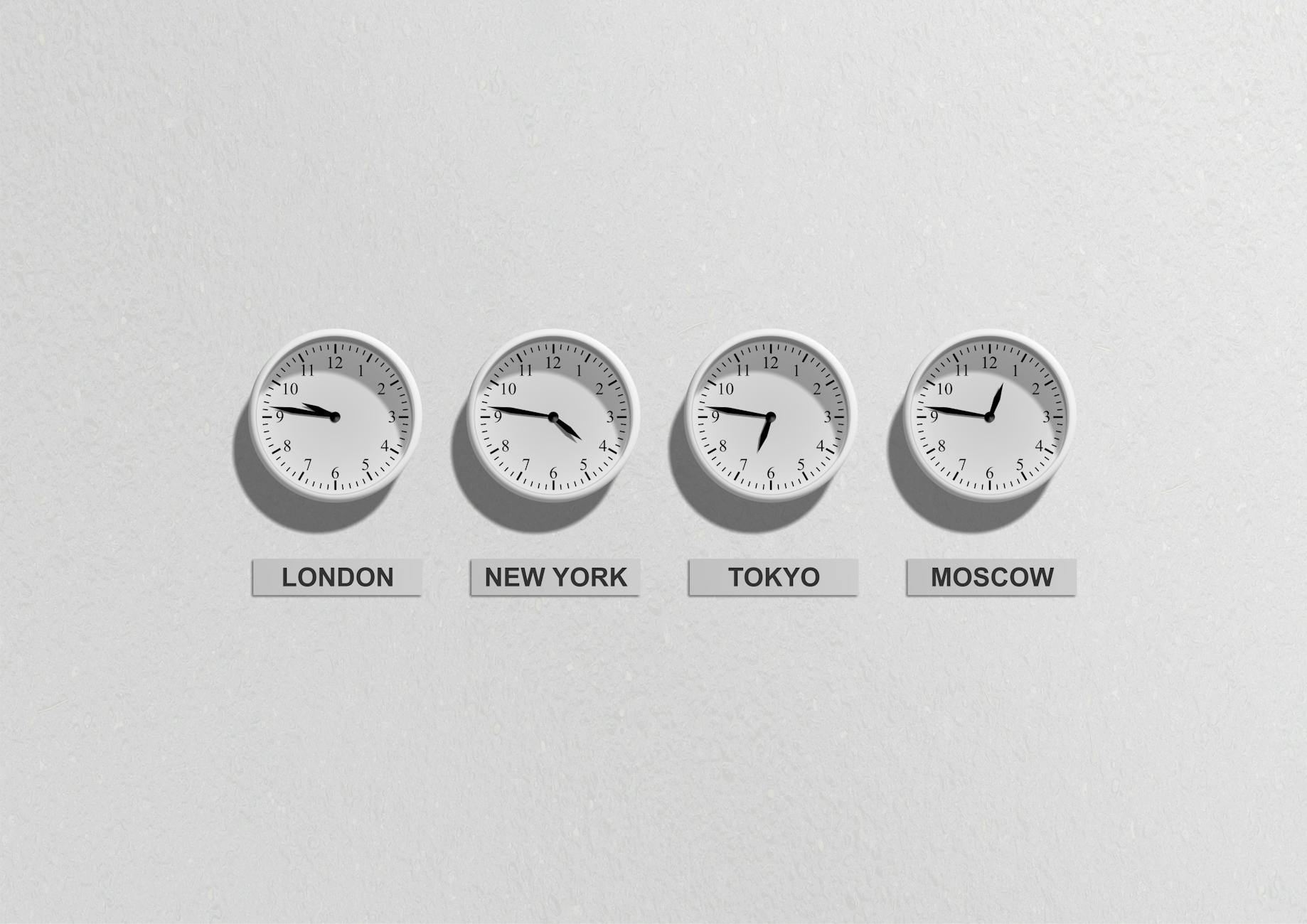
The scent of freshly brewed coffee, still steaming from my travel mug, mingled with the crisp, cool air as I stepped off the train in Berlin. It was a brisk January morning in 2025, and the city was just beginning to stir. Sunlight, still a bit shy, cast long shadows across the cobblestone streets. My mind, however, was already a thousand miles away, strategizing how to sync my European workday with colleagues in New York and clients in Tokyo. This is the reality for so many of us in the globalized world – the constant dance between time zones, a delicate ballet of collaboration that, when mastered, feels utterly exhilarating.
In January 2026, this dance will be more crucial than ever. As remote work solidifies its place and international partnerships flourish, understanding the optimal time zones for seamless communication is no longer a luxury; it's a necessity. Forget those frustrating 2 AM calls or missed opportunities. Let's dive into the strategic sweet spots for working with the US, Europe, and Asia.
The January 2026 Global Collaboration Compass: Navigating the Time Zone Maze
January, with its lingering winter chill in the Northern Hemisphere, often brings a renewed focus and a desire for structured planning. For global teams, this means pinpointing those precious hours where collaboration is not just possible, but highly effective. We're talking about those overlap windows where you can actually have a live, productive conversation without sacrificing your entire day (or night!).
Understanding the Core Players: US, Europe, and Asia
Before we plot our course, let's get our bearings. We'll be primarily looking at:
- US: Primarily Eastern Standard Time (EST), UTC-5, and Pacific Standard Time (PST), UTC-8.
- Europe: Central European Time (CET), UTC+1, and Greenwich Mean Time (GMT), UTC+0.
- Asia: Key hubs like Japan Standard Time (JST), UTC+9, and China Standard Time (CST), UTC+8.
Remember, Daylight Saving Time (DST) won't be a factor in January for most of these regions, simplifying our calculations.
The Transatlantic Tango: US & Europe in January 2026
This is often the most manageable cross-continental pairing. The key is to leverage the end of the European workday and the beginning of the US workday.
Finding the Sweet Spot: Late Afternoon Europe, Morning US
- The Magic Window: Roughly 10 AM - 1 PM EST (US) aligns with 4 PM - 7 PM CET (Europe).
- Why it Works: This allows European colleagues to wrap up their core tasks and engage in collaborative discussions. For US teams, it's the perfect time for morning meetings, follow-ups, and planning for the rest of their day.
- Pro-Tip: If you're in PST (US), this window shifts to 7 AM - 10 AM PST, which is still very workable for early risers and those looking to get a head start.
The Early Bird Catches the Collaboration: Early Morning Europe, Afternoon US
- The Alternative Window: Roughly 8 AM - 10 AM CET (Europe) overlaps with 2 PM - 4 PM EST (US).
- Why it Works: This is ideal for urgent matters or when a more extended discussion is needed. European teams can tackle critical tasks before the end of their day, while US teams can address issues before signing off.
- Pro-Tip: For those in the UK or Ireland (GMT), this window becomes 7 AM - 9 AM GMT, which is a very achievable early start.
The Transpacific Treadmill: US & Asia in January 2026
This is where things get a bit more challenging, but certainly not impossible. It requires careful planning and often a willingness from one side to embrace the "early bird" or "night owl" approach.
The "Late Night" US, "Early Morning" Asia Strategy
- The Overlap: Approximately 9 PM - 11 PM EST (US) aligns with 10 AM - 12 PM JST/CST (Asia).
- Why it Works: This is the most common and often most productive overlap. US teams can have their late afternoon or early evening meetings, while Asian colleagues are just starting their workday. This allows for focused discussion and immediate follow-up.
- Pro-Tip: If you're in PST (US), this window becomes 6 PM - 8 PM PST, which is a more palatable evening slot.
The "Early Morning" US, "Late Afternoon/Evening" Asia Strategy
- The Alternative: Roughly 7 AM - 9 AM EST (US) overlaps with 8 PM - 10 PM JST/CST (Asia).
- Why it Works: This can be effective for specific, high-priority discussions. US teams get a very early start, and Asian teams can finish their day with a productive collaboration session.
- Pro-Tip: This requires a strong commitment from both sides. Consider using this for critical decision-making rather than routine check-ins.
The Grand Global Convergence: US, Europe, and Asia in January 2026
This is the ultimate challenge – finding a time that works for all three. It’s a narrower window and often requires one region to be particularly flexible.
The "Late Afternoon US" & "Late Evening Europe" & "Early Morning Asia" Nexus
- The Sweetest Spot: Aim for 4 PM - 6 PM EST (US). This translates to:
- 10 PM - 12 AM CET (Europe)
- 5 AM - 7 AM JST/CST (Asia)
- Why it Works (with caveats): This is the closest you'll get to a true overlap. US teams are winding down their day, European teams are in their late evening, and Asian teams are just starting.
- Pro-Tip: This is best suited for critical, time-sensitive decisions or urgent project updates. Not ideal for brainstorming or extensive strategy sessions. Consider using video conferencing with excellent audio quality to minimize fatigue.
The "Morning US" & "Afternoon Europe" & "Late Night Asia" Conundrum
- The Alternative Nexus: Target 9 AM - 11 AM EST (US). This translates to:
- 3 PM - 5 PM CET (Europe)
- 4 AM - 6 AM JST/CST (Asia)
- Why it Works (with more caveats): US teams are starting their day, Europe is in its afternoon, and Asia is in the very early morning.
- Pro-Tip: This requires Asian colleagues to be early risers. Offer flexibility in their workday afterward as compensation. Tools for asynchronous communication become vital here.
Mastering Asynchronous Communication: Your Secret Weapon
When synchronous meetings are impossible, asynchronous communication becomes your superpower. This is where you can thrive even when your time zones are worlds apart.
Tools and Techniques for Seamless Asynchronous Work:
- Detailed Project Management Tools: Platforms like Asana, Trello, or Monday.com allow for clear task assignment, progress tracking, and discussion threads that don't require real-time interaction.
- Comprehensive Documentation: Ensure all meeting notes, decisions, and action items are meticulously documented and easily accessible.
- Pre-recorded Updates: Instead of a live status meeting, record a short video update explaining progress, challenges, and next steps. Tools like Loom or Vidyard are fantastic for this.
- Clear Communication Protocols: Establish guidelines for response times, preferred communication channels for different types of queries, and expectations for availability.
- Leverage AI for Summaries: Use AI tools to summarize lengthy email threads or documents, saving everyone valuable time.
The Human Element: Building Bridges Across Continents
Beyond the clock, remember that culture and relationships are paramount.
Insider Tips for Global Harmony:
- Empathy is Key: Understand that your colleagues in different time zones might be sacrificing personal time. Acknowledge their effort and express gratitude.
- Cultural Sensitivity: Be mindful of local holidays, customs, and communication styles. A quick Google search can go a long way.
- Flexibility is a Two-Way Street: If you're asking someone to join a late-night call, be prepared to offer them flexibility in their own schedule.
- Regular Check-ins (Even Brief Ones): Schedule short, informal virtual coffee breaks to foster team camaraderie, even if they aren't strictly business-focused.
- Clearly Define Roles and Responsibilities: In a global team, ambiguity can lead to miscommunication. Ensure everyone knows who is accountable for what.
Quick Facts: January 2026 Global Collaboration
| Aspect | US (EST/PST) | Europe (CET/GMT) | Asia (JST/CST) | | :--------------------- | :----------------------------------------- | :-------------------------------------------- | :------------------------------------------- | | Estimated Cost ($) | N/A (Internal Meetings) | N/A (Internal Meetings) | N/A (Internal Meetings) | | Best Time to Visit | N/A (Focus on Work) | N/A (Focus on Work) | N/A (Focus on Work) | | How to Get There | N/A (Digital Nomad/Remote Work) | N/A (Digital Nomad/Remote Work) | N/A (Digital Nomad/Remote Work) | | Key Overlap Window | 10 AM - 1 PM EST / 7 AM - 10 AM PST | 4 PM - 7 PM CET / 3 PM - 6 PM GMT | N/A (Focus on US/Europe overlap) | | Challenging Overlap| 9 PM - 11 PM EST / 6 PM - 8 PM PST | 10 PM - 12 AM CET / 9 PM - 11 PM GMT | 10 AM - 12 PM JST/CST | | Triple Overlap | 4 PM - 6 PM EST / 1 PM - 3 PM PST | 10 PM - 12 AM CET / 9 PM - 11 PM GMT | 5 AM - 7 AM JST/CST | | Asynchronous Focus | High importance for all regions | High importance for all regions | High importance for all regions | | January Climate | Cold, often snowy in many regions | Cold, often snowy in many regions | Cold, can be very cold in northern regions |
Pro-Tip: Invest in high-quality noise-canceling headphones for those early morning or late-night calls. It makes a world of difference to your focus and the clarity of your audio.
The Takeaway: Embrace the Global Rhythm
Working across US, Europe, and Asia in January 2026 isn't about finding a single perfect time; it's about strategic flexibility, robust asynchronous systems, and a deep understanding of your team's needs. By mastering these time zone overlaps and embracing the power of asynchronous communication, you can transform potential logistical nightmares into opportunities for enhanced global collaboration. So, pour yourself that coffee (or perhaps a calming herbal tea for those later calls!), embrace the global rhythm, and conquer your international workday.
---