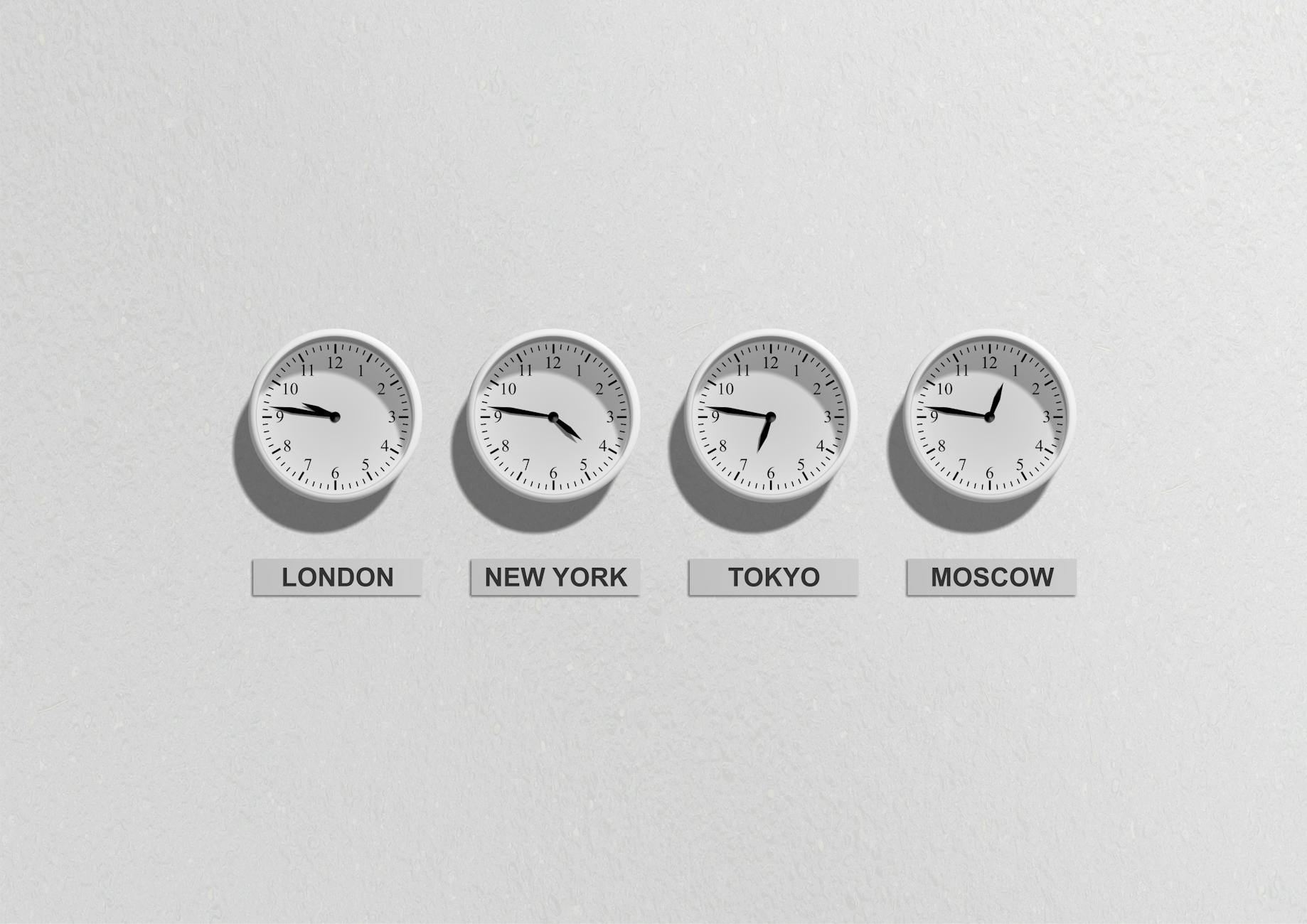
The aroma of strong, dark coffee hit me the moment I stepped off the overnight train in Berlin. It was 6 AM, the city was still stretching awake, and my phone buzzed with a flurry of emails from my colleagues in San Francisco. The distinct chill of a German autumn morning was a stark contrast to the humid warmth of my last video call with a startup in Singapore just hours before. This, I thought, is the new normal. This is the exhilarating, sometimes chaotic, dance of working across continents.
For years, the dream of truly global collaboration felt like a distant horizon. Now, with the rise of remote work and distributed teams, it's our everyday reality. But navigating the intricate web of time zones – especially when trying to bridge the vast distances between the US, Europe, and Asia – can feel like deciphering an ancient map. This year, however, the landscape is shifting, presenting new opportunities for seamless integration and unprecedented productivity. Forget the frantic scramble; this is about strategic synergy.
The Global Time Zone Conundrum: Why It Matters More Than Ever
We’re no longer bound by the 9-to-5 of a single city. Our teams are scattered, our clients are global, and our opportunities are boundless. This distributed model, while liberating, demands a sophisticated understanding of time.
The "Golden Overlap": Finding Your Sweet Spot
The holy grail of cross-continental work is finding that precious window where multiple major economic hubs are simultaneously awake and available. It's not always about finding a perfect 8-hour overlap; it's about identifying the most effective overlap for your specific needs.
- The US-Europe Synergy: This is perhaps the most established and well-understood overlap. When the US East Coast is wrapping up its workday (late afternoon), Europe is typically in its morning or early afternoon. This allows for real-time communication, quick decision-making, and a sense of shared workday momentum.
- The Europe-Asia Connection: Similarly, as European businesses begin their afternoon, many Asian hubs are either just starting their day or are deep into their morning. This facilitates a smooth handover of tasks and collaborative problem-solving.
- The Grand Triad (US-Europe-Asia): This is where it gets truly interesting and, frankly, challenging. Achieving significant synchronous overlap across all three is rare and often falls into very specific, often inconvenient, windows. However, this year, we're seeing a more nuanced approach.
Emerging Time Zone Strategies for 2024 and Beyond
The key isn't forcing everyone into a single, universally inconvenient meeting. It's about smart scheduling, leveraging asynchronous tools, and understanding the rhythm of different regions.
Bridging the Atlantic: US & Europe Collaboration
This is the classic, and often most productive, cross-continental pairing.
The "Daylight Savings Dividend"
While daylight saving time can be a headache, it also temporarily shifts the overlap window, sometimes creating more favorable conditions.
- Pro-Tip: Pay close attention to the DST start and end dates for both regions. A few weeks each spring and fall can offer a slightly better alignment for crucial calls.
Optimal Overlap Windows:
- US East Coast (EST/EDT) & Western Europe (CET/CEST):
- Ideal Window: 9 AM - 12 PM EST (which is 3 PM - 6 PM CET). This allows US teams to connect before lunch and European teams to engage in their afternoon.
- Secondary Window: 12 PM - 2 PM EST (6 PM - 8 PM CET). This is good for quick check-ins or urgent matters when European teams are finishing their day.
- US West Coast (PST/PDT) & Western Europe (CET/CEST):
- Ideal Window: 9 AM - 11 AM PST (which is 6 PM - 8 PM CET). This is a late afternoon for Europe, but often manageable for critical discussions.
- Secondary Window: 11 AM - 1 PM PST (8 PM - 10 PM CET). This is pushing it for Europe, but can work for urgent, brief exchanges.
Logistics & Cultural Nuances:
- "Morning" for Europe is "Afternoon" for the US: This is the core principle. Schedule important meetings when it's the start of the day for one region and the end of the day for another.
- Embrace Asynchronous: For non-urgent items, utilize tools like Slack, Loom, or shared documents. A well-crafted message can convey more than a rushed, ill-timed call.
Connecting Continents: Europe & Asia Collaboration
This axis offers a fascinating blend of early-bird productivity and late-night strategizing.
The "Sunrise Sync" Advantage
When Europe is settling down for the evening, many parts of Asia are just beginning their workday. This creates a natural handover.
- Pro-Tip: Schedule your crucial "handoff" meetings for late afternoon in Europe, which aligns with early morning in Asia. This ensures that tasks can be passed on seamlessly for the next business day.
Optimal Overlap Windows:
- Western Europe (CET/CEST) & East Asia (SGT/CST/JST):
- Ideal Window: 3 PM - 6 PM CET (which is 9 PM - 12 AM SGT/CST/JST). This is a late evening for Asia, but often works for critical planning or urgent problem-solving.
- Secondary Window: 9 AM - 12 PM CET (which is 3 PM - 6 PM SGT/CST/JST). This is the afternoon for Asia, allowing for real-time collaboration on ongoing projects.
- Eastern Europe (EET/EEST) & Southeast Asia (SGT):
- Ideal Window: 10 AM - 1 PM EET (which is 4 PM - 7 PM SGT). This offers a good afternoon overlap for Asia and a solid morning for Eastern Europe.
Logistics & Cultural Nuances:
- The "Night Owl" Factor: Be mindful that for some Asian counterparts, meetings might fall outside their standard working hours. Offer flexibility and consider rotating meeting times if possible.
- "Good Morning, Singapore!": Start your communications with a friendly greeting that acknowledges the time difference. It goes a long way.
The Ultimate Challenge: US, Europe, & Asia Synergy
This is where true mastery of global time zones shines. Significant overlap is minimal, requiring a strategic blend of synchronous and asynchronous work.
The "Midnight Oil" Moment
The most realistic overlap for all three often involves late nights in one region and early mornings in another.
- Pro-Tip: Identify your absolute critical synchronous touchpoints. For everything else, rely on robust asynchronous communication and clear documentation.
Optimal Overlap Windows:
- US East Coast (EST/EDT) & Europe (CET/CEST) & East Asia (SGT/CST/JST):
- The "Sacrificial Hour": 9 AM EST (3 PM CET / 9 PM SGT). This is the most common, albeit challenging, window. It's morning for the US, afternoon for Europe, and late evening for Asia.
- The "Early Bird" Option: 11 AM PST (8 PM CET / 2 AM SGT the next day). This is late for Europe and very early for Asia, but might work for specific, critical US-focused discussions that need Asian input.
Logistics & Cultural Nuances:
- Asynchronous is King: For this triad, asynchronous communication isn't just a preference; it's a necessity. Invest in excellent project management tools, clear documentation, and detailed briefing notes.
- "Time Zone Champions": Designate individuals in each region to act as "time zone champions." They can help coordinate schedules, answer regional questions, and ensure smooth communication flow.
- Cultural Sensitivity: Always, always be aware of local holidays and customs. What might be a standard workday for you could be a significant cultural observance for a colleague.
Beyond the Clock: Mastering Global Collaboration
Time zones are just one piece of the puzzle. True global collaboration requires more.
Embracing Asynchronous Communication
This is not about being "offline"; it's about being mindfully online.
- Loom Videos: Record short video explanations of complex ideas. It's more engaging than a long email and can be watched at any time.
- Shared Documentation Hubs: Platforms like Notion, Confluence, or Google Workspace allow for real-time collaboration on documents, even when team members aren't online simultaneously.
- Clear Communication Protocols: Establish guidelines for response times, preferred communication channels for different types of queries, and meeting etiquette.
The Art of the Effective Meeting
When synchronous meetings are unavoidable, make them count.
- Agendas are Non-Negotiable: Send out detailed agendas well in advance, clearly stating the objective and desired outcomes.
- Actionable Takeaways: End every meeting with clear action items, assigned owners, and deadlines.
- Record Everything: For those who can't attend, ensure meetings are recorded and summaries are distributed.
The Human Element: Building Trust Across Borders
Time zones can create distance, but genuine connection bridges it.
- Virtual Coffee Breaks: Schedule informal virtual gatherings where team members can chat about non-work topics.
- Cultural Exchange: Encourage team members to share aspects of their local culture, food, or traditions.
- Empathy is Key: Understand that working across time zones can be tiring. Be patient, be understanding, and celebrate your global team's resilience.
Quick Facts: Navigating Global Time Zones
| Aspect | Details | Estimated Cost ($) | Best Time to Visit (for collaboration) | How to Get There (for collaboration) | | :-------------------------- | :---------------------------------------------------------------------------------------------------------------------------------- | :----------------- | :------------------------------------- | :----------------------------------------------------------------------------------------------------------------------------------------------------------------------------------------------------------------------------------------------------------------------------------------------------------------------------------------------------------------------------------------------------------------------------------------- | | US East Coast (EST/EDT) | UTC-5 / UTC-4. Major hubs: New York, Miami, Toronto. | N/A (work) | Year-round (consider DST shifts) | N/A: This is about working with the time zone, not visiting. | | US West Coast (PST/PDT) | UTC-8 / UTC-7. Major hubs: Los Angeles, San Francisco, Seattle. | N/A (work) | Year-round (consider DST shifts) | N/A: This is about working with the time zone, not visiting. | | Western Europe (CET/CEST) | UTC+1 / UTC+2. Major hubs: Berlin, Paris, Rome, Madrid. | N/A (work) | Year-round (consider DST shifts) | N/A: This is about working with the time zone, not visiting. | | Eastern Europe (EET/EEST) | UTC+2 / UTC+3. Major hubs: Helsinki, Athens, Kyiv. | N/A (work) | Year-round | N/A: This is about working with the time zone, not visiting. | | Singapore (SGT) | UTC+8. Major hub: Singapore. | N/A (work) | Year-round | N/A: This is about working with the time zone, not visiting. | | China (CST) | UTC+8. Major hubs: Shanghai, Beijing, Shenzhen. (Note: China observes a single time zone). | N/A (work) | Year-round | N/A: This is about working with the time zone, not visiting. | | Japan (JST) | UTC+9. Major hub: Tokyo. (Note: Japan observes a single time zone). | N/A (work) | Year-round | N/A: This is about working with the time zone, not visiting. | | Global Collaboration Tools | Slack, Microsoft Teams, Zoom, Google Workspace, Asana, Trello, Notion, Loom. | $0 - $20+/month | Always | N/A: Access via internet. | | International Travel (if needed for team meetups) | Flights, accommodation, visas, travel insurance. | $$$$ - $$$$$ | Varies by destination | Flights: Major international airports connect these regions. Trains: Efficient within Europe. High-speed rail: Japan, China. Ferries: Within archipelagos. Visa requirements: Vary significantly by nationality and destination. Best tip: Book flights and accommodation in advance for better rates. |
The Future is Fluid: Adapting to Emerging Trends
The way we work across time zones is constantly evolving. What's considered challenging today might be standard practice tomorrow.
- AI-Powered Scheduling: Tools are emerging that can automatically find the best meeting times based on individual preferences and existing calendars.
- "Work-Life Integration" Models: The lines between work and personal life are blurring further. Companies are increasingly focusing on outcomes rather than strict hours.
- Hyper-Personalized Schedules: As individuals gain more control over their work, they'll be able to craft schedules that better suit their personal rhythms, even if those rhythms differ from their colleagues.
Final Thoughts: Own Your Time Zone Strategy
Mastering the best time zones for working with US, Europe, and Asia this year isn't about finding a magic bullet. It's about strategic planning, effective communication, and a deep respect for the global tapestry of your team. Embrace the opportunities, navigate the challenges with grace, and you'll unlock a new level of global productivity and innovation. Now, go forth and conquer those time zones!