The Hook: The Night Train to Ruse
I stepped off the night train at Ruse, Bulgaria, and into a thick wall of damp river air, the sharp scent of diesel fuel and wet linden trees hanging over the Danube. For decades, this rusted iron crossing—the Friendship Bridge—represented one of Europe’s most stubborn bottlenecks. Travelers faced hours of bureaucratic purgatory under the watchful eyes of border guards who slowly flipped through passports in cramped, yellow-lit booths.
But as I watched a cargo vessel glide silently down the river toward the Black Sea, I realized the old rules were dissolving.
``` [Schengen Air/Sea Expansion] ───► No passport control at airports/ports [GCC Unified Visa] ───► 6 nations, 1 single entry permit [East Africa Tourist Visa] ───► Kenya, Uganda, Rwanda tri-nation pass ```
We have entered a new era of geopolitical consolidation. Driven by economic necessity and a post-pandemic urge to streamline tourism, nations are banding together to create mega-zones of frictionless travel. If you are still planning your trips using 2023 border rules, you are operating on obsolete data.
Here is your definitive, boots-on-the-ground guide to the powerful new alliances rewriting the rules of global entry right now.
---
1. The Balkan Breakthrough: Bulgaria and Romania Join Schengen
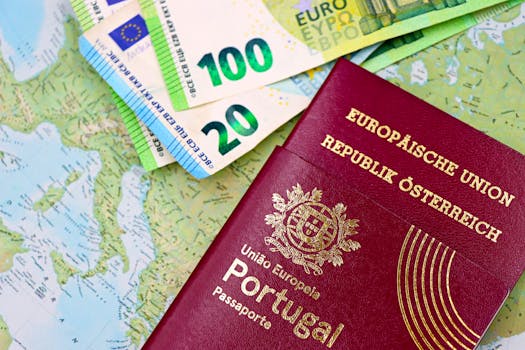
For over a decade, Bulgaria and Romania stood in the Schengen waiting room, stalled by political posturing. On March 31, 2024, the deadlock finally broke. The two nations officially entered the Schengen Zone via air and sea borders, fundamentally altering travel in Eastern Europe.
``` +-------------------------------------------------------------------------+ | THE BALKAN SCHENGEN SPLIT | +------------------------------------+------------------------------------+ | AIR & SEA | LAND | | (Passport-Free) | (Checks Remain) | +------------------------------------+------------------------------------+ | • Direct flights from Vienna | • Danube Bridge crossings | | • Ferry arrivals in Constanța | • Train routes from Sofia | | • No physical border booths | • Long truck & passenger queues | +------------------------------------+------------------------------------+ ```
What Changed?
If you fly into Sofia International Airport (SOF) or land at the maritime terminal in Constanța, Romania, from another Schengen country, you will walk off the plane or ship directly to the baggage carousel. No passport control. No stamps. No lines.
However, because land borders are still subject to political negotiations (primarily due to Austrian vetoes regarding land migration routes), driving or taking a train across the border from Greece or Hungary into Bulgaria or Romania still requires a physical passport check.
The Nomad Trap: The 90-Day Clock
The most critical change affects slow travelers and digital nomads. Previously, remote workers used Bulgaria and Romania as "Schengen resets." You could spend 90 days in Greece, hop on a quick flight to Bucharest, and reset your Schengen clock while enjoying cheap high-speed internet and excellent mămăligă (traditional Romanian cornmeal mush).
That loophole is officially closed. Any day spent in Bulgaria or Romania now counts directly toward your 180-day Schengen limit (90 days total across all member states).