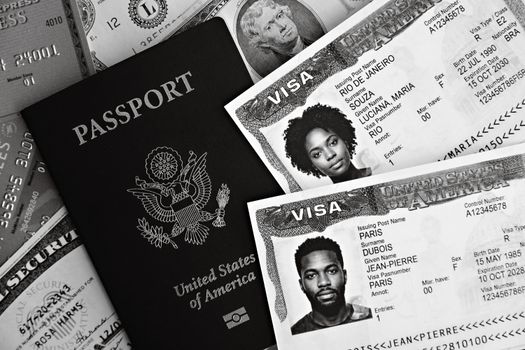
The Hook: A Sensory Symphony of the Unexpected
I stepped off the train in Vienna, the crisp autumn air carrying the faint, sweet scent of Sachertorte from a nearby café. The usual hum of multilingual chatter was there, but something felt… different. Lighter. I’d braced myself for the usual passport shuffle, the polite but firm questioning at the border control. Instead, a friendly nod, a quick scan of my digital travel pass (a new requirement born from a recent alliance!), and I was through, the cobblestones of the city beckoning with an invitation I hadn't anticipated being so easily accepted. This wasn't just a smooth transition; it was a glimpse into the future of international travel, a future shaped by seismic shifts in how countries are now partnering.
H2: The Rise of the 'Travel Bloc': Why Nations Are Teaming Up
For decades, international travel has been a patchwork of bilateral agreements and individual country regulations. But the landscape is rapidly evolving. We’re witnessing the emergence of powerful travel alliances – groups of nations that are harmonizing their entry requirements, streamlining visa processes, and even creating unified travel zones. These aren't just abstract geopolitical shifts; they have tangible, game-changing implications for us, the travelers.
Think of it like this: instead of needing a separate key for every door, these alliances are building master keys. This means less paperwork, fewer hoops to jump through, and ultimately, more spontaneous adventures. The driving forces behind this include economic recovery post-pandemic, a desire to boost tourism, and a recognition that collaboration is more efficient than isolation.
H3: The Schengen Effect: Expanding Horizons
The Schengen Area in Europe is the poster child for successful travel alliances, allowing passport-free movement within its member states. But the "Schengen Effect" is now being felt beyond its traditional borders. We're seeing discussions and even nascent agreements for similar blocs forming in other regions.
Pro-Tip: Keep an eye on countries that are adjacent to existing Schengen members or those with strong economic ties. They are prime candidates for future integration or eased entry agreements.
H2: Navigating the New Visa Landscape: What's Truly Changing?
The most direct impact of these alliances is on visa requirements. We're moving away from a system where every country has its own unique visa application process. Instead, expect to see:
- Harmonized Visa Policies: Countries within an alliance might adopt a single, unified visa that grants access to all member nations. This dramatically simplifies planning for multi-country trips.
- Visa-Free Travel Expansion: As alliances strengthen, the number of countries offering visa-free entry to citizens of other member states is likely to increase.
- Digital Travel Authorizations (DTAs): Many new alliances are leaning towards digital systems. This could mean pre-arrival online applications that are processed much faster than traditional visa interviews. Think of it as a 'pre-approval' that streamlines your entry.
H3: The Power of the 'Digital Nomad Visa' Alliance
A significant trend is the rise of digital nomad visas. While not strictly an alliance in the traditional sense, many countries are recognizing the economic benefits of attracting remote workers and are creating streamlined visa pathways. Some are even coordinating these efforts, sharing best practices, and promoting themselves as a collective remote work destination. This is a direct response to changing work patterns and a smart move to capture a new segment of travelers.
Pro-Tip: If you work remotely, research countries that have recently introduced or are rumored to be introducing digital nomad visas. Often, these offer longer stays and more flexible terms than traditional tourist visas.
H2: Beyond Visas: The Interconnectedness of Travel Documents
These alliances aren't just about visas. They’re about creating a more integrated travel ecosystem. This means:
- Mutual Recognition of Travel Documents: Countries within an alliance might start recognizing each other's identification and vaccination records, further smoothing the process.
- Coordinated Health Protocols: Expect a more unified approach to health screenings and requirements, reducing confusion and redundant checks.
- Enhanced Security Cooperation: Alliances often involve deeper security partnerships, which can lead to more efficient border checks as information is shared more readily between member states.
H3: The 'Global Entry' Model: A Glimpse into the Future
Programs like U.S. Customs and Border Protection's Global Entry are a precursor to what many of these new alliances aim to achieve. By pre-vetting travelers, these programs allow for expedited entry. Future alliances will likely build upon this concept, creating similar trusted traveler networks that span multiple countries.
Pro-Tip: Even if you don't qualify for existing trusted traveler programs, understand their principles. They highlight the direction travel facilitation is heading: pre-approval and streamlined processes.
H2: Case Study: The Emerging 'Pacific Rim Travel Compact' (Hypothetical, but Illustrative)
Imagine a Pacific Rim Travel Compact. This hypothetical alliance could include countries like Japan, South Korea, Australia, New Zealand, and several Southeast Asian nations.
- Potential Benefits: Citizens of member countries could enjoy visa-free travel for up to 90 days across the bloc. A unified digital travel authorization (DTA) might be introduced, requiring a single online application. Health declarations could be standardized, and mutual recognition of driver's licenses for rental purposes could be implemented.
- Impact on Travelers: Planning a multi-country trip from Singapore to Sydney could become as simple as applying for one DTA. This would unlock incredible opportunities for exploration, from the bustling streets of Tokyo to the serene beaches of Bali, all with significantly reduced bureaucratic hurdles.
Pro-Tip: While this specific compact is hypothetical, research regional economic or political blocs forming in Asia, Oceania, or the Americas. They are often the fertile ground for these new travel agreements.
H2: The Budget and Logistics: Making These New Alliances Work for You
Understanding these changes is one thing; leveraging them is another. Here's how to stay ahead:
Quick Facts: Planning with New Alliances
| Feature | Details | Estimated Cost ($) | Best Time to Visit | How to Get There | | :------------------ | :-------------------------------------------------------------------------- | :----------------- | :----------------- | :----------------------------------------------------------------------------------------------------------- | | Unified Visa | Grants access to multiple member countries within an alliance. | $50 - $150 (varies) | Varies by region | Apply online via a central portal or through the embassy of the lead nation in the alliance. | | Digital Travel Authorization (DTA) | Online pre-approval for entry. | $10 - $30 | Year-round | Apply online through a government-designated website. | | Visa-Free Entry | Citizens of member nations can enter other member nations without a visa. | $0 (for visa fee) | Varies by region | Simply arrive with a valid passport. | | Trusted Traveler Programs | Expedited entry for pre-vetted travelers. | $100 - $200 (one-time fee) | N/A | Apply through national programs (e.g., Global Entry, NEXUS) and check for reciprocal agreements. | | Digital Nomad Visas | Longer-term visas for remote workers. | $100 - $500 (varies) | Varies by country | Research individual country requirements; some alliances may offer coordinated application processes. |
Pro-Tip: Always check the official government immigration websites of each country you plan to visit, even within an alliance. Rules can have nuances, and last-minute changes are always a possibility.
H2: Insider Language: Decoding Travel Jargon
As you navigate these new alliances, you'll encounter specific terms. Here's a quick glossary to help you sound like a seasoned traveler:
- Bilateral Agreement: A pact between two countries. Many new alliances are evolving from or complementing these.
- Multilateral Agreement: An agreement involving three or more countries – the foundation of most travel alliances.
- Entry Protocol: The official set of rules and procedures for entering a country.
- Visa Waiver Program (VWP): An agreement allowing citizens of certain countries to travel to another country for tourism or business for a specified period without a visa. Alliances can expand these.
- Consular Services: Services provided by a country's consulate or embassy abroad, including visa processing and assistance to citizens.
- Pre-clearance: Security and customs checks conducted in a foreign country before departure, rather than upon arrival. Some alliances are exploring this.
Pro-Tip: Follow reputable travel news outlets and official government immigration pages religiously. The "insider scoop" is often just about being consistently informed.
H2: The Future is Fluid: Adapting to the New Era of Travel
The world of entry requirements is no longer static. New alliances are fundamentally reshaping how we explore the globe. This is an exciting time for travelers, offering unprecedented ease and opportunity. By staying informed and understanding these evolving dynamics, you can unlock more spontaneous adventures, spend less time wrestling with bureaucracy, and more time immersing yourself in the richness of new cultures.
My journey through Vienna was just the beginning. I'm already eyeing a trip through a nascent alliance in Southeast Asia, armed with the knowledge that my digital travel pass will likely unlock a dozen new passport stamps with minimal fuss. The world is opening up in new ways – are you ready to step through?