The Future of Wanderlust: How New Trade Agreements Are Redefining Global Travel
I stepped off the train in Kyoto, the crisp autumn air carrying the faint scent of burning incense and the distant murmur of temple bells. It was my first time in Japan, a country I’d dreamed of visiting for years, yet the thought of navigating visa applications and complex border crossings had always felt like a formidable hurdle. This time, however, things felt… different. Lighter. The process of entering Japan had been remarkably streamlined, thanks to a recent bilateral agreement that simplified entry for citizens of my home country. The relief was palpable, allowing me to immediately immerse myself in the magic of this ancient city, rather than feeling bogged down by administrative headaches. This is the new reality of travel, a reality being shaped by groundbreaking trade agreements that are actively simplifying how we explore our planet.
For too long, the romance of travel has been tempered by the frustrating realities of bureaucracy. Long queues at immigration, endless paperwork, and the anxiety of visa rejections have been unwelcome companions to the thrill of discovery. But a quiet revolution is underway. Governments worldwide are recognizing the immense economic and cultural benefits of easier international movement, and they’re signing agreements that are fundamentally changing the travel landscape. These aren't just abstract policy shifts; they translate into tangible benefits for us, the adventurers, the explorers, the ones with itchy feet.
Unlocking the World: The Rise of Facilitation Agreements
The most significant shifts are driven by Travel Facilitation Agreements (TFAs). Think of these as the express lane for global mobility. These agreements aim to streamline customs and immigration procedures, reduce border delays, and create a more predictable and efficient travel experience. The World Trade Organization (WTO) has been a key player, with its TFA coming into effect in 2017, encouraging member countries to adopt more modern and efficient customs practices.
Pro-Tip: Keep an eye on your country's Ministry of Foreign Affairs website. They often publish updates on new TFAs and how they specifically benefit citizens.
What does this mean in practice? Imagine arriving at an airport and moving through immigration in minutes, not hours. Picture seamless cargo movement that reduces the cost of goods, making international destinations more affordable. TFAs are also fostering greater cooperation on security, meaning safer travel for everyone.
The Schengen Effect: Expanding Horizons Through Regional Pacts
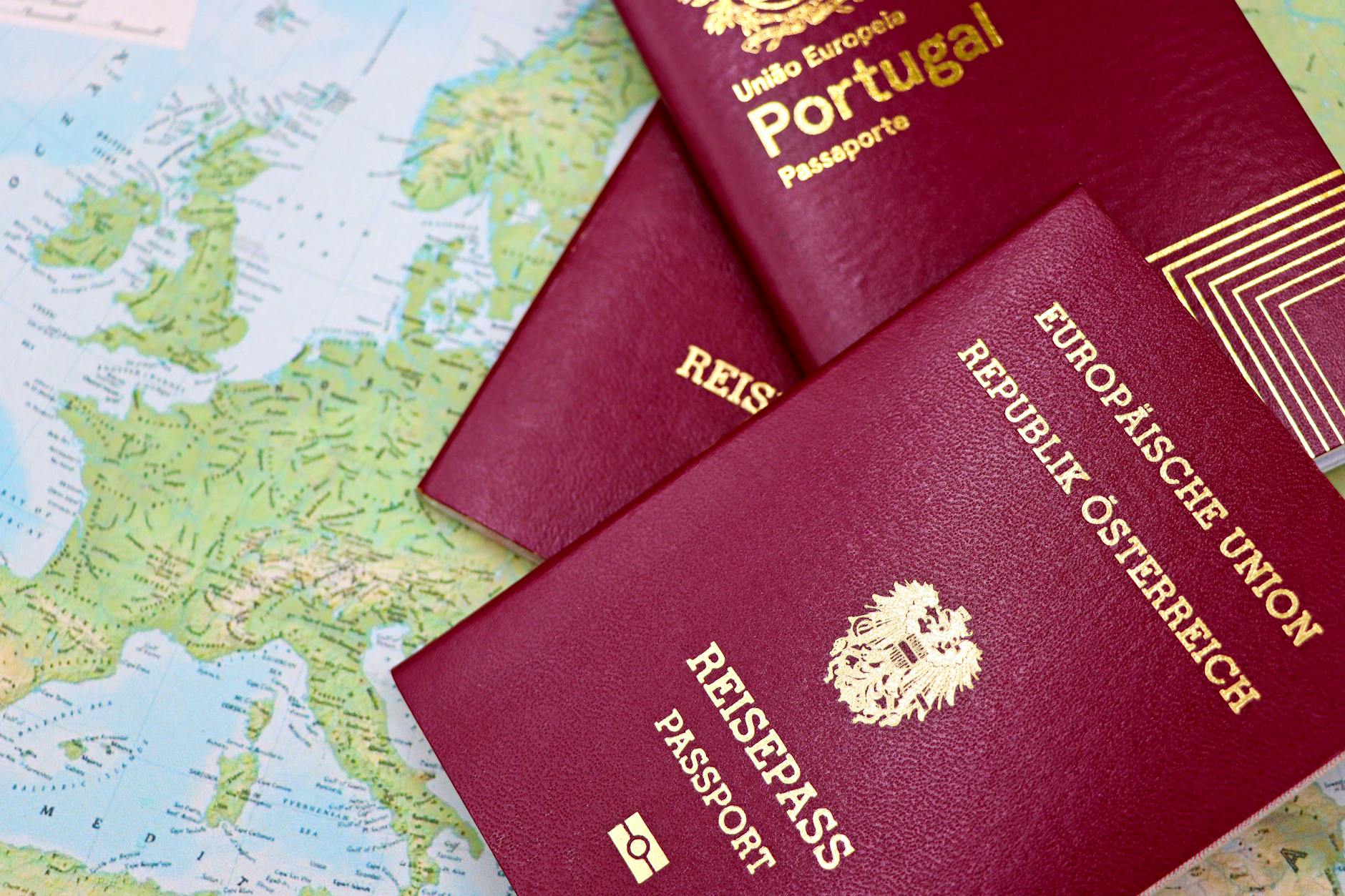
While the Schengen Area in Europe is perhaps the most well-known example of a regional agreement simplifying travel, its success is inspiring similar pacts elsewhere. These agreements create a zone where internal border controls are abolished, allowing for free movement among member states. This has transformed European travel, turning what could be a complex multi-country itinerary into a single, fluid journey.
H3: Beyond Europe: Emerging Regional Travel Blocs
We’re seeing similar trends emerge in other regions. For instance, discussions around a potential ASEAN Single Aviation Market aim to liberalize air travel within Southeast Asia, making it cheaper and easier to hop between countries like Thailand, Vietnam, and Malaysia. Similarly, the African Continental Free Trade Area (AfCFTA), while primarily economic, has the long-term potential to facilitate greater movement of people across the continent, boosting intra-African tourism.
Pro-Tip: Research the specific benefits of regional blocs before planning your trip. Some may offer simplified visa procedures or even visa-free entry for short stays.
Digital Nomad Visas: The New Frontier for Remote Workers
For a growing segment of the population – the digital nomads – new trade agreements are opening up entirely new ways to experience the world. A surge in Digital Nomad Visas (DNVS) is a direct response to the changing nature of work. These visas allow remote workers to live and work in a country for an extended period, often without requiring local employment.
H3: A World of Opportunity for the Location-Independent
Countries like Portugal, Spain, Croatia, and many in the Caribbean are actively courting digital nomads with attractive visa packages. These often come with specific income requirements and health insurance stipulations, but the underlying principle is to attract skilled individuals who contribute to the local economy through their spending. This isn't just about work; it's about cultural exchange, learning new languages, and experiencing life from a different perspective.
Pro-Tip: When applying for a DNV, meticulously gather all required documents. Proof of income, health insurance, and a clean criminal record are usually non-negotiable.
E-Visas and Digital Declarations: Tech-Driven Simplification
Technology is a massive enabler of simplified travel, and trade agreements often include provisions to integrate these advancements. The rise of e-visas has been a game-changer. Instead of visiting an embassy or consulate, you can apply for and receive your visa online, often within days. This saves time, money, and considerable stress.
H3: Borderless Borders Through Smart Technology
Beyond visas, we're seeing increased adoption of digital passenger declarations. Many countries now allow you to submit your health and immigration information electronically before you even land. This speeds up arrival processes and reduces the need for physical forms. Think of it as checking in for your flight, but for border control.
Quick Facts: The Digital Nomad Visa Experience (Example: Portugal)
| Category | Details s and cultural exchange.
The Ripple Effect: Economic and Social Benefits
The impact of these agreements extends far beyond the individual traveler. They foster economic growth by increasing tourism revenue, creating jobs in hospitality and related sectors, and encouraging investment in infrastructure. For local communities, it means greater exposure to different cultures and a chance to showcase their unique heritage.
Pro-Tip: Look for destinations that have recently signed new travel agreements. You might find them offering special promotions or events to celebrate the new era of accessibility.
Navigating the New Landscape: Your Next Steps
So, how do you leverage these incredible changes?
- Stay Informed: Follow travel news, airline updates, and government announcements.
- Research Destinations: Prioritize countries that have recently updated their travel policies or signed new agreements.
- Embrace Technology: Utilize e-visa platforms and digital declaration forms to expedite your journey.
- Plan Flexibly: With easier travel, spontaneous trips become more feasible.
The world is opening up in ways we haven't seen before. These new trade agreements are not just bureaucratic footnotes; they are the architects of a more connected, accessible, and exciting future for global travel. So, pack your bags, do your research, and get ready to experience the world like never before. Your next adventure is waiting, and it’s easier to reach than you think.
---