The Midnight Walk in Merida
I stepped off the sidewalk in Merida’s Plaza Grande at 1:00 AM, the air thick with the scent of blooming jasmine and the faint, citrusy tang of cochinita pibil lingering from the dinner rush. My phone was in my hand, my camera bag was slung loosely over one shoulder, and—for the first time in years—my "big city" radar was silent. No checking over my shoulder. No clutching my wallet in a death grip.
In many major US metros, a solo walk at this hour is a calculated risk. Here, in the heart of the Yucatán, it’s just a Tuesday.
There is a persistent myth that crossing the southern border means entering a "danger zone." As a travel journalist who has lived out of a suitcase for a decade, I’m here to tell you that the numbers don’t lie. When you compare the homicide and petty theft rates of several Latin American gems against US cities like Chicago or Memphis, the results are eye-opening.
If you’re looking for high-octane culture, world-class gastronomy, and a sense of security that allows you to actually relax, these are the Latin American cities safer than American worth considering.
---
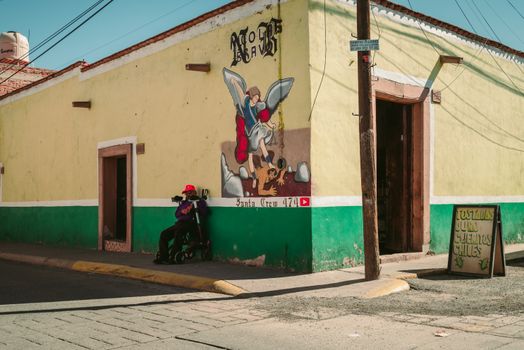
1. Merida, Mexico: The White City of Peace
Often ranked as the safest city in Mexico—and frequently safer than the vast majority of the United States—Merida is a colonial masterpiece. The architecture is a limestone dream, earning it the nickname "La Ciudad Blanca."
The Vibe: It’s a blend of Mayan heritage and French-inspired grandeur. Walking down the Paseo de Montejo, you’d swear you were in a tropical version of the Champs-Élysées.
Why It’s Safer: Merida benefits from a deeply rooted community culture and a highly proactive police force. The "Ojo de la calle" (eyes on the street) philosophy is real here; neighbors look out for one another, and the social fabric is incredibly tight.
- Pro-Tip: Skip the midday heat. Locals emerge after 7:00 PM. Head to the Santa Lucia Park for live serenade music and sit at one of the outdoor bistros.
- Insider Detail: Look for the "Confidant Chairs" (Sillas Tú y Yo) in the parks—S-shaped white stone chairs designed for couples to talk face-to-face while maintaining a respectful distance.
---
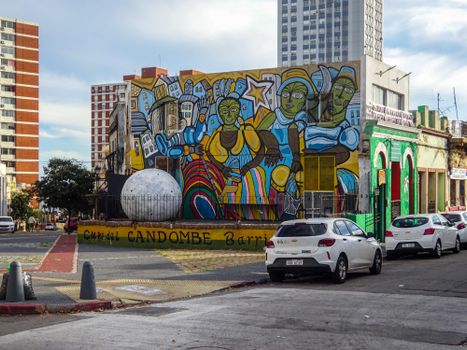
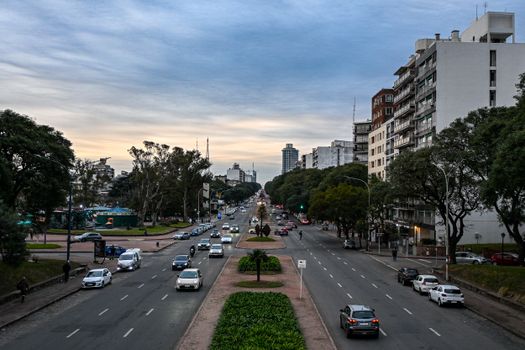
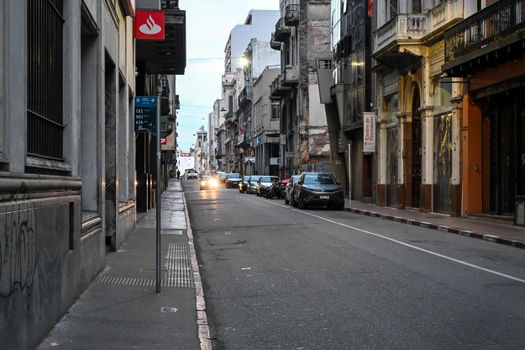
2. Montevideo, Uruguay: The "Switzerland of the South"
If you want the sophistication of a European capital with the laid-back soul of the coast, Montevideo is your sanctuary. Uruguay consistently ranks as the most peaceful and democratic country in South America.
The Vibe: Imagine a city where the primary "crime" is someone forgetting to share their mate (the local herbal tea). It’s nostalgic, slightly faded in a charming way, and incredibly progressive.
Why It’s Safer: Uruguay has a robust middle class and a high standard of living, which translates to low levels of the desperate crime often found in more stratified societies.
- Pro-Tip: Spend your Sunday morning at the Tristán Narvaja flea market. It’s a chaotic, wonderful sprawl of antiques and books.
- Insider Detail: The Rambla is a 13-mile coastal avenue. It is the city’s living room. Join the thousands of locals walking, jogging, or just watching the sunset with a thermos under their arm.
---
3. Cuenca, Ecuador: The Andean Jewel
Tucked away in the Andes, Cuenca is a UNESCO World Heritage site that has become a magnet for North American retirees—not just for the cost of living, but for the profound sense of peace.
The Vibe: Cobblestone streets, four rushing rivers, and red-tiled roofs. It feels like a mountain village that grew into a sophisticated city.
Why It’s Safer: Cuenca is walkable. When a city is designed for pedestrians rather than cars, the streets remain populated and "self-policed" by the constant flow of people.
- Pro-Tip: Visit the Mercado 10 de Agosto for a $3 lunch of hornado (roasted pig). It’s cleaner and safer than most US food courts.
- Insider Detail: Don’t call them "Panama hats" here. They are Sombreros de Paja Toquilla, and they originated right here in the Azuay province. Buy a real one at the Homero Ortega museum.
---
4. Santiago, Chile (The Eastern Districts)
While Santiago is a massive metropolis, neighborhoods like Las Condes, Vitacura, and Providencia (often called "Sanhattan") offer a level of safety and infrastructure that rivals Singapore or Zurich.
The Vibe: High-end shopping, manicured parks, and the towering Andes mountains as a constant, jagged backdrop.
Why It’s Safer: These districts have their own private security patrols (Seguridad Ciudadana) that supplement the national police, creating a hyper-secure environment for residents and tourists alike.
- Pro-Tip: Take the funicular up Cerro San Cristóbal at sunset. The view of the city lights flickering against the mountains is unbeatable.
- Insider Detail: Chileans take their wine seriously. Head to a wine bar in Barrio Lastarria and ask for a Carmenere—a grape that went extinct in France but thrived in the Chilean soil.
---
5. Buenos Aires, Argentina: The Paris of the South
Before you cite the economic headlines, look at the lifestyle. Neighborhoods like Palermo, Recoleta, and Belgrano are statistically safer for violent crime than many US cities of comparable size.
The Vibe: Late-night dinners, neoclassical architecture, and an obsession with psychoanalysis and bookstores. It’s a city that never sleeps, which ironically makes it safer.
Why It’s Safer: The "2:00 AM Culture." Because families and seniors are out eating dinner at midnight, the streets are never deserted. A populated street is a safe street.
- Pro-Tip: Avoid the "Blue Dollar" scams on the street. Use official Western Union transfers to get the best rate safely.
- Insider Detail: Go to El Ateneo Grand Splendid. It’s a massive bookstore housed in a converted theater. Sit on the stage (now a cafe) and read while the ghosts of tango singers linger in the balconies.
---
6. Antigua, Guatemala: The Living Museum
Just an hour from the chaos of Guatemala City lies Antigua, a tranquil valley town surrounded by three volcanoes. It is one of the most heavily guarded and safe tourist hubs in Central America.
The Vibe: Baroque ruins, vibrant textiles, and the smell of roasting coffee. It’s a place where time seems to have slowed to a crawl.
Why It’s Safer: The POLITUR (Tourist Police) are everywhere. They are friendly, bilingual, and dedicated solely to keeping the UNESCO zone secure.
- Pro-Tip: Hike Volcán Pacaya to roast marshmallows over active lava vents. Use an authorized guide from the main square.
- Insider Detail: The best views are from the rooftop of Antigua Brewing Co. You get a 360-degree look at the volcanoes while sipping a craft IPA.
---
7. San José (Escazú), Costa Rica: The Pura Vida Fortress
While downtown San José has its gritty corners, the suburb of Escazú is a testament to Costa Rican stability. It’s where the diplomats live, and for good reason.
The Vibe: Think Beverly Hills, but with more toucans and better coffee. It’s lush, hilly, and impeccably maintained.
Why It’s Safer: Costa Rica has no standing army; they poured that budget into education and healthcare. The result is a peaceful society with very little of the systemic violence found in neighboring countries.
- Pro-Tip: Eat at a "Soda" (a small, family-run restaurant) for an authentic Casado. It’s the safest and most delicious way to eat like a local.
- Insider Detail: Visit the Avenida Escazú for high-end dining, but head to the hills of San Antonio de Escazú for a traditional "Mascarada" (mask parade) if you time your visit right.
---
Quick Facts: Logistics & Budget
| City | Safety Level (vs US) | Est. Daily Budget ($) | Best Time to Visit | | :--- | :--- | :--- | :--- | | Merida | Significantly Safer | $50 - $90 | Nov - March | | Montevideo | Safer | $80 - $130 | Dec - Feb | | Cuenca | Significantly Safer | $40 - $70 | All Year (Spring-like) | | Santiago | Comparable/Safer | $90 - $150 | Sept - Nov | | Buenos Aires| Comparable | $60 - $110 | Oct - Dec | | Antigua | Safer (UNESCO Zone) | $50 - $100 | Jan - April | | Escazú | Safer | $100 - $180 | Dec - April |
How to Get There
Most of these cities are accessible via direct flights from major US hubs like Miami, Houston, or LAX.
- Merida: Direct from Miami or via Mexico City.
- Montevideo: Usually a connection through Panama City or Sao Paulo.
- Cuenca: A quick 45-minute flight from Quito.
---
The Verdict: Should You Go?
Safety is a feeling as much as it is a statistic. While no city on earth is 100% crime-free, the "danger" associated with Latin America is often a caricature.
In these seven cities, the biggest "risk" you’ll face isn't a mugging—it’s the risk of falling so deeply in love with the pace of life, the richness of the coffee, and the warmth of the people that you find yourself looking at real estate listings before your return flight even lands.
The world is wider and kinder than the evening news suggests. It’s time to see it for yourself.
---