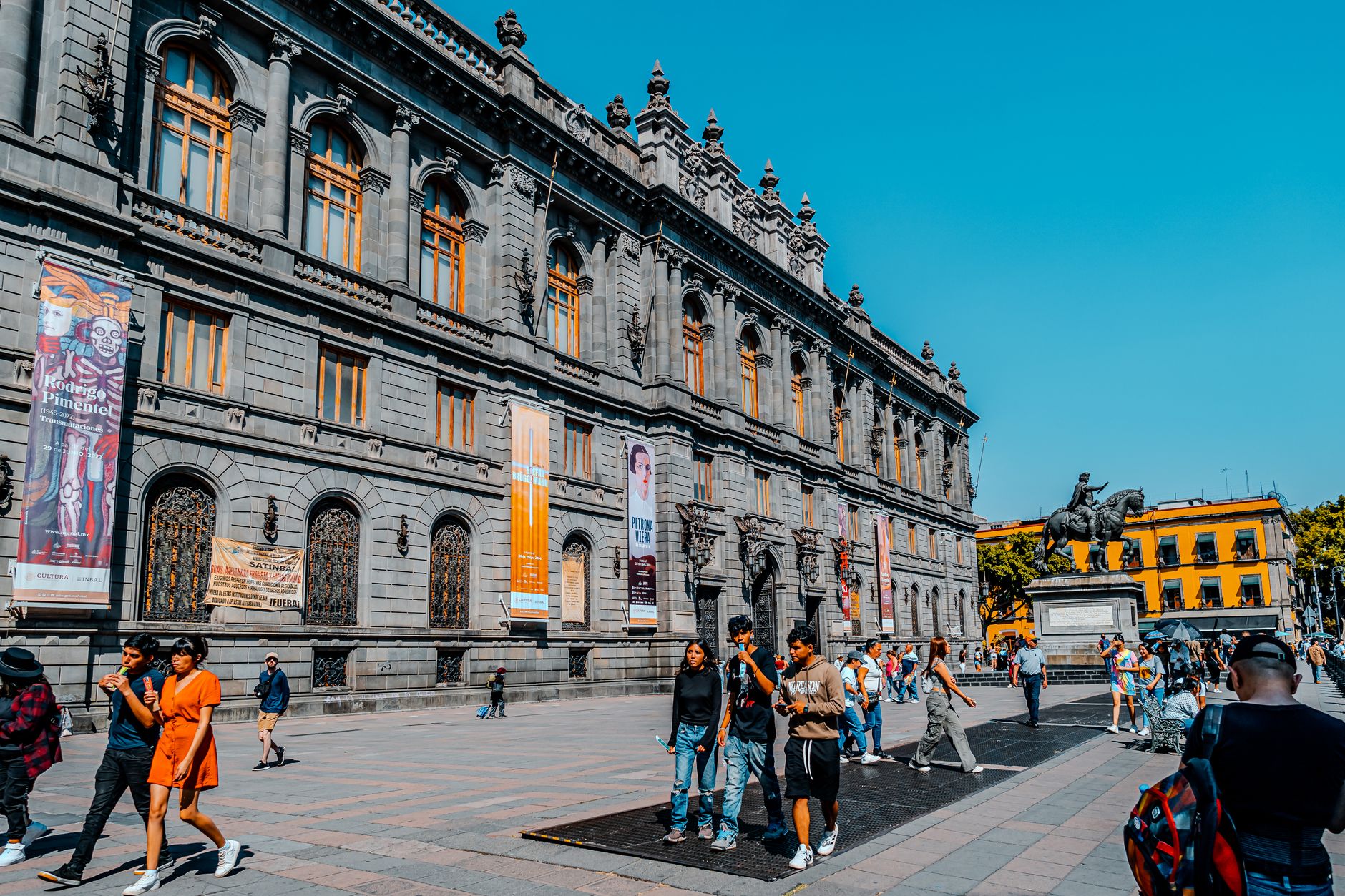
The Hook: A Midnight Walk in the "White City"
I stepped off the bus in Mérida at 11:30 PM, the air thick with the scent of roasted habaneros and damp limestone. My phone was dead, and my "American Travel Advisor" brain—the one conditioned by years of sensationalist news cycles—told me to be terrified. I should have been clutching my bags, scanning for shadows.
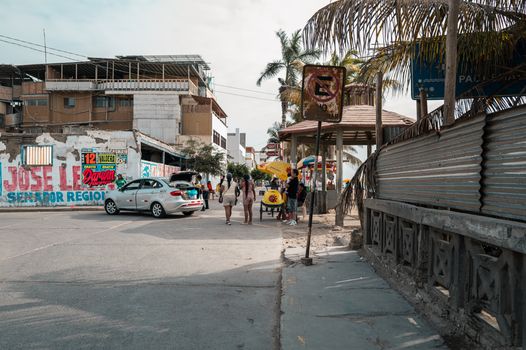
Instead, I found a grandmother sitting on a plastic chair on her porch, fanning herself with a newspaper. Two teenagers were laughing over a shared marquesita (a crispy Nutella-filled crepe) on a nearby corner. The streetlights cast a warm, orange glow over the pastel-hued facades of the Centro Histórico. I walked six blocks to my Airbnb, not with a racing heart, but with a growing sense of annoyance. Why had I been told this part of the world was a "no-go" zone?
The truth is, travel advisories are often written by bureaucrats who haven't left an embassy compound in years. They prioritize liability over lived reality. If you skip Latin America based on these blanket warnings, you aren't being "safe"—you’re just missing out on the most culturally rich, affordable, and surprisingly secure cities on the planet.
1. Mérida, Mexico: The "Safest City in the Americas" Contender
While news outlets focus on border conflicts, Mérida sits in the Yucatán Peninsula like a calm, cultured uncle. It consistently ranks as the safest city in Mexico, often boasting lower crime rates than mid-sized American cities like Austin or Charlotte.
- The Vibe: Stately, colonial, and fiercely proud of its Mayan roots. The architecture is a mix of French-inspired mansions on the Paseo de Montejo and vibrant Spanish colonial squares.
- Why Advisors Get It Wrong: They see "Mexico" and apply a country-wide warning. In reality, the Yucatán is a geopolitical island of tranquility.
- Pro-Tip: Head to the Santa Lucía Park on a Thursday night. You’ll see "Yucatecan Serenade" performances. The hidden entrance to the best mezcal bar in town, La Negrita, is through a nondescript swinging wooden door—get there by 6 PM or you’ll be waiting in a line that wraps around the block.
2. Montevideo, Uruguay: The "Switzerland" of the South
If you want the grit and chaos of a stereotypical Latin metropolis, don't come to Montevideo. This is a city of bibliophiles, mate-sippers, and sunset-watchers. It is arguably the most socially progressive city in the Southern Hemisphere.
- The Vibe: Think 1930s European charm meets coastal chill. The "Rambla" is a 13-mile sidewalk along the Rio de la Plata where the entire city congregates to watch the sun dip below the horizon.
- The Insider Secret: Crime here is mostly petty theft, easily avoided with basic common sense. Violent crime is an anomaly.
- Pro-Tip: Skip the overpriced tourist grills in the Mercado del Puerto. Instead, walk five blocks inland to Jacinto on Calle Sarandí. Order the sourdough and the local Tannat wine. It’s the best meal you’ll have in South America, hands down.
3. Cuenca, Ecuador: The Eternal Spring
Nestled in the Andes, Cuenca is a UNESCO World Heritage site that feels more like a Spanish mountain village than a major Ecuadorian hub. Because of its massive expat population (mostly retired Americans and Canadians), the infrastructure for safety and healthcare is top-tier.
- The Vibe: Red-tiled roofs, four rushing rivers, and flower markets that smell like a botanical garden.
- The Safety Reality: While Guayaquil (on the coast) has faced recent challenges, Cuenca remains a bubble of Andean peace. You can walk the river paths (the Tomebamba) at dusk without a second thought.
- Pro-Tip: Visit the paja toquilla (Panama hat) factories. The "real" Panama hats actually come from here. Ask for a "Superfino"—it should feel like silk and can take months to weave.
4. Medellín, Colombia: The Transformation King
Advisors still mention Pablo Escobar. Locals haven't mentioned him in twenty years unless they’re rolling their eyes at a tourist. Medellín has undergone the most radical urban transformation in modern history.
- The Vibe: High-octane energy. It’s a city of glass skyscrapers and lush green mountains, connected by a world-class cable car system.
- Neighborhood Watch: Stay in Laureles rather than El Poblado. El Poblado is the "Gringo Gulch"—noisy and prone to petty scams. Laureles is leafy, flat, walkable, and where the local upper-middle class lives. It feels like a safe, trendy neighborhood in Madrid.
- Pro-Tip: Take the Metrocable to Parque Arví on a Tuesday morning. You’ll float over the rooftops of the formerly dangerous barrios, seeing firsthand how urban planning (libraries and parks) solved the crime crisis.
5. Buenos Aires, Argentina: The 2 AM City
The U.S. State Department often warns about "protests" in Buenos Aires. While Argentines love a good march, these are cultural events, not riots. Buenos Aires is a city that doesn't even start dinner until 10 PM.
- The Vibe: Intense, romantic, and nocturnal. The "Paris of the South" moniker isn't an exaggeration—the architecture in Recoleta is indistinguishable from the 8th Arrondissement.
- The Safety Reality: I have walked through Palermo Soho at 3 AM with a group of friends and felt safer than I do in downtown San Francisco. The "eyes on the street" philosophy is alive and well here; there are always people out.
- Pro-Tip: The "hidden" bar scene is legendary. Find Florería Atlántico—it looks like a high-end flower shop. Walk to the back, open the refrigerator door, and descend into one of the world's best cocktail dens.
6. Antigua, Guatemala: The Cobblestone Sanctuary
Just an hour from the chaotic Guatemala City lies Antigua, a city frozen in the 16th century. It is heavily patrolled by "Politur" (Tourism Police) whose sole job is to ensure travelers feel secure.
- The Vibe: Volcanic backdrops, crumbling cathedrals, and the best coffee on the planet.
- The Logistics: It is a small, contained city. You can walk from one end to the other in 20 minutes. The biggest danger here is twisting an ankle on the notoriously uneven cobblestones.
- Pro-Tip: Hike Acatenango Volcano to watch its neighbor, Fuego, erupt at night. It sounds like a freight train and looks like God’s own fireworks. Use a reputable company like Ox Expeditions to ensure safety and gear quality.
7. Curitiba, Brazil: The City That Works
When people think of Brazil, they think of Rio’s favelas. They should be thinking of Curitiba. Known as the "Ecological Capital of Brazil," it is a masterclass in urban safety and efficiency.
- The Vibe: Clean, organized, and green. It has a distinctly European feel due to the heavy German, Italian, and Polish heritage of the residents.
- Why it’s Safe: It’s a wealthy, planned city with a highly effective public transit system that reduces the "dead zones" where crime usually thrives.
- Pro-Tip: Visit the Wire Opera House (Ópera de Arame). It’s a theater built of steel tubes in the middle of a former quarry, surrounded by waterfalls. It’s an architectural marvel that most tourists completely miss.
Quick Facts & Logistics Table
| City | Safety Level (Local Context) | Est. Daily Budget (USD) | Best Time to Visit | How to Get There | | :--- | :--- | :--- | :--- | :--- | | Mérida | Exceptional | $50 - $80 | Nov - March | Fly into MID or CUN (3hr drive) | | Montevideo | High | $70 - $110 | Dec - Feb | Fly into MVD or Ferry from BA | | Cuenca | High | $40 - $60 | June - Sept | Fly into CUE via Quito | | Medellín | Moderate (Area dependent) | $45 - $75 | Year-round | Fly into MDE | | Buenos Aires | High (In tourist hubs) | $60 - $100 | Oct - Dec | Fly into EZE | | Antigua | High | $55 - $90 | Nov - April | Fly into GUA (1hr shuttle) |
The Real Safety Protocol: How to Not Be a Target
Even in the safest cities, "Traveler's Hubris" is your biggest enemy. To enjoy these cities like a pro:
- The "Phone Rule": Don't walk with your $1,200 iPhone held out in front of you for navigation. Step into a café or shop to check your map.
- Dress Down: Leave the flashy jewelry and designer logos at home. The goal is to look like a local professional, not a walking ATM.
- Uber is King: In almost all these cities, Uber (or local equivalents like Cabify) is safer and more accountable than hailing a random cab on the street.
- Learn the "No Dar Papaya" Rule: It’s a Colombian saying that means "Don't give papaya"—essentially, don't put yourself in a position where you can be easily taken advantage of.
Latin America isn't a monolith of danger. It is a collection of neighborhoods, some of which are more peaceful than the ones you live in back home. It's time to stop reading the warnings and start booking the flights.