The Funk, The Fizz, and The Future of Travel
I stepped off the night train in Tbilisi, and the air didn't just smell like a city; it smelled like life. It was a heady, intoxicating mix of damp earth, woodsmoke, and the sharp, acidic tang of grape skins surrendering to the clay. I wasn’t there for a standard wine tour. I was there because a top-tier travel advisor whispered a name to me: Iago.
In a world of pasteurized, plastic-wrapped monotony, travelers are craving the "funk." We are seeking the bubbles, the brine, and the bacteria that define a culture’s soul. Fermentation is the ultimate slow-travel hack—it requires patience, presence, and a willingness to let nature take the lead.
Forget the over-touristed kitchens of Tuscany or Provence. If you want to master the art of the ferment, you need to go where the traditions are still held in the calloused hands of grandmothers and the visionary minds of rural rebels. Here are the seven surprising countries where fermentation isn't a trend—it's a way of life.
---
1. Georgia: Subterranean Secrets of the Kvevri
While the world looks to France for wine, the real "OGs" are in the Caucasus. In Georgia, fermentation happens underground.
The Experience: You’ll head to the village of Chardakhi to meet Iago Bitarishvili. Here, wine isn't aged in oak barrels; it’s fermented in Kvevri—massive clay vessels buried in the earth. You’ll learn to scrub these vessels with cherry bark and witness the "skin-contact" magic that produces amber wine.
Pro-Tip: Don’t just drink the wine. Ask to see the Marani (cellar) at 8:00 AM when the light hits the clay floors. It’s a spiritual experience. Insider Language: Mention "Qvevri" instead of "clay pot" to instantly gain respect from the locals.
2. Bulgaria: The Birthplace of the World’s Best Bacteria
Most people think "Greek" when they think yogurt. Bulgarians will politely (or not so politely) tell you you’re wrong. The specific bacteria Lactobacillus bulgaricus is native to this air.
The Experience: Travel to the Rhodope Mountains, specifically the village of Momchilovtsi. You aren't just eating yogurt; you’re learning the "stretch" method. You’ll work with raw sheep's milk, learning the precise temperature at which the milk "takes" the starter culture.
Pro-Tip: The hidden entrance to the best workshop is behind the blue wooden door next to the village fountain. Look for the sign that says "Кисело мляко." The Vibe: High-altitude, pine-scented, and incredibly gut-healthy.
3. Mexico: The Effervescent Magic of Tepache and Pulque
Move over, Tequila. The real spirit of Mexico is alive, bubbling, and slightly lower ABV.
The Experience: In the backstreets of Oaxaca, travel advisors suggest skipping the mezcal distilleries for a day to join a Tepache workshop. You’ll learn to use every part of the pineapple—skins, core, and all—fermenting them with piloncillo (raw cane sugar) and cinnamon in traditional wooden barrels called tepacheras.
Pro-Tip: Visit the Pulquería at noon. This is when the "sap of the gods" (fermented agave sap) is at its freshest and most viscous. Authenticity Note: Real Tepache should have a slight "fizz" on the tongue and a deep, earthy sweetness that cuts through the Oaxacan heat.
4. Iceland: Volcanic Bread and the Art of Skyr
Icelandic fermentation is a battle against the elements. It’s about using the earth’s heat to create life in a frozen landscape.
The Experience: At Laugarvatn Fontana, you’ll participate in "Geothermal Bakery" workshops. You’ll bury pots of rye bread dough in the black volcanic sand, letting the earth’s steam ferment and bake the bread over 24 hours. The result is a cake-like, dark bread that tastes of caramel and history.
Pro-Tip: Wear waterproof boots. You’ll be digging in the sand right at the water’s edge where the geothermal springs meet the lake. Logistics: It’s a 90-minute drive from Reykjavik. Book the "Bread and Bath" combo to soak in the springs while your loaf finishes.
5. Nepal: Gundruk and the Himalayan Umami
In the shadow of Everest, fermentation is a survival skill. Gundruk—fermented leafy greens—is the national soul food.
The Experience: This isn't a "studio" workshop. You’ll join a local family in the Kathmandu Valley. You’ll learn to crush mustard or radish leaves, pack them into earthenware jars, and bury them for weeks. When unearthed, the greens have transformed into a sour, umami-rich powerhouse used in soups that can warm a trekker’s soul.
Pro-Tip: Ask your guide for a "Sinki" demonstration as well—it’s the fermented radish root version and even more pungent. The Gear: Bring a high-quality face mask if you’re sensitive to strong smells; the fermentation process here is "proudly aromatic."
6. Ethiopia: The 72-Hour Sourdough (Injera)
If you think your 24-hour sourdough is impressive, wait until you meet Teft.
The Experience: In Addis Ababa, travel advisors are booking private sessions with "Injera Masters." You’ll learn to work with Teff, a tiny ancient grain. The fermentation process for the starter, called Ersho, takes three days. You’ll learn to pour the perfect "rose" pattern on the mitad (griddle) to create the signature "eyes" (bubbles) of the bread.
Pro-Tip: The best workshops are held in the morning before the midday heat makes the fermentation too aggressive. The Taste: It should be tangy, spongy, and strong enough to scoop up spicy Doro Wat.
7. South Korea: Beyond the Kimchi Museum
Forget the Seoul tourist traps. We’re heading to the Jang territories.
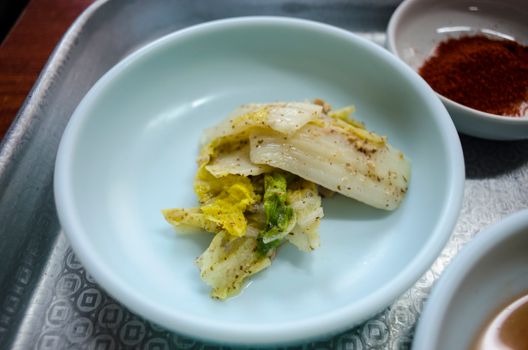
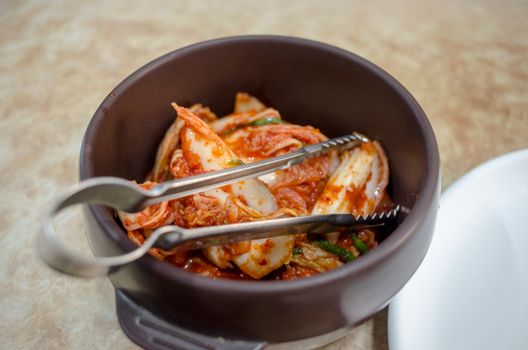
The Experience: Go to the rural province of Jeollanam-do. Here, you’ll learn the art of Doenjang (soybean paste) and Gochujang. You’ll see thousands of Onggi (breathing earthenware jars) lined up like soldiers. You’ll learn how the weather, the wind, and the salt from the nearby sea change the flavor profile of the ferment over years, not days.
Pro-Tip: Visit during the "Kimjang" season (late autumn) to see entire villages fermenting together. Budget Note: This is a premium experience. Expect to pay for the expertise of a master who has been fermenting for 50+ years.
---
Quick Facts: Logistics & Budget
| Country | Best Time to Visit | Est. Workshop Cost | Transport Tip | | :--- | :--- | :--- | :--- | | Georgia | Sept - Oct (Harvest) | $80 - $150 | Hire a private driver from Tbilisi. | | Bulgaria | June - August | $40 - $70 | Bus from Plovdiv to Smolyan. | | Mexico | Year-round | $50 - $100 | Walkable within Oaxaca Centro. | | Iceland | May - Sept | $35 - $60 | Rental car via the Golden Circle. | | Nepal | Oct - Nov | $30 - $50 | Local taxi from Kathmandu. | | Ethiopia | Oct - Jan | $40 - $80 | Private guide in Addis Ababa. | | South Korea | Oct - Nov | $150 - $300 | KTX high-speed train to Gwangju. |
---
The Verdict: Why You Should Go
Fermentation travel is about more than just a souvenir jar. It’s about understanding the "micro-terroir" of a place. It’s about the fact that a yogurt made in the Rhodope Mountains cannot be replicated in a lab in New Jersey.
When you participate in these workshops, you aren't just a tourist; you are a guardian of a fading craft. You are learning to collaborate with the invisible world. And honestly? Your gut will thank you for it.
Ready to get funky? Contact a Tripsora advisor today to map out your microbial pilgrimage.
---