The Hook: A Symphony of Spices and a Whisper of the Earth
I stepped off the train in a small, nameless town in Georgia, and the air itself was a revelation. It wasn't just the crisp mountain breeze or the faint scent of pine. It was something deeper, richer, a complex perfume of aged cheese, sun-dried tomatoes, and a subtle, almost alive tang that tickled my nostrils. This was my first true encounter with the magic of fermentation, long before I knew it had a name. It was a whisper of the earth, a promise of untold flavors waiting to be unlocked. I'd come seeking ancient winemaking traditions, but I found myself captivated by the humble, bubbling jars lining every windowsill, a testament to a culinary art passed down through generations. This sensory explosion ignited a quest: to find fermentation workshops in corners of the world you'd least expect, places where this ancient craft isn't just a hobby, but a living, breathing part of the culture.
Beyond the Usual Suspects: Unlocking Culinary Secrets
When you think of fermentation, your mind probably drifts to kimchi in Korea, sauerkraut in Germany, or maybe even sourdough in France. And while these are undeniably delicious, the world is a vast pantry brimming with fermented wonders waiting to be explored. My travels have taken me far beyond the well-trodden culinary paths, revealing a global tapestry of fermentation techniques, each with its own unique story, ingredients, and soul-satisfying flavors. These are the experiences that linger long after the last bite, the ones that connect you to a place and its people on a profound level.
1. Georgia: Where Wine and Fermentation Are One
Georgia. The name itself conjures images of dramatic mountain landscapes and robust hospitality. But it's also the undisputed birthplace of wine, with a winemaking tradition stretching back over 8,000 years. This isn't just about grapes; it's about qvevri, traditional clay amphorae buried underground, where grapes are fermented whole, skins, seeds, and all, creating wines of unparalleled depth and complexity.
But Georgia's fermentation prowess extends far beyond wine. Think of Tklapi, a fruit leather made from pureed plums or apricots, sun-dried to chewy perfection, and often seasoned with spices. Then there's Sulguni, a brined, elastic cheese that's often grilled to a delightful squeak. And of course, the iconic Adjika, a fiery paste of red peppers, garlic, herbs, and spices, a staple condiment that hums with fermented complexity.
- The Workshop Experience: Look for workshops in the Kakheti region, Georgia's premier wine country. Many family-run vineyards offer hands-on experiences not just in winemaking, but also in preparing traditional Georgian fermented dishes. You'll learn to make your own Adjika, pound walnuts into savory pastes, and understand the subtle art of qvevri fermentation.
- Pro-Tip: Many of the best experiences are found through local recommendations. Ask your guesthouse owner or a friendly local at the market – they'll often lead you to the most authentic, intimate workshops.
Quick Facts: Georgia
- Estimated Cost: $50 - $150 per day (including accommodation and workshops)
- Best Time to Visit: September to October for harvest season and vibrant fall colors.
- How to Get There: Fly into Tbilisi International Airport (TBS). Renting a car or hiring a driver is recommended for exploring the Kakheti region.
2. The Philippines: Beyond the Banana Leaf
When you think of Filipino cuisine, you might picture adobo or lumpia. But dive deeper, and you'll discover a rich, often overlooked world of fermentation, deeply intertwined with the tropical bounty of the islands. The humid climate is a natural incubator for microbial magic, and Filipinos have mastered harnessing it.
The star of the show here is Bagoong, a fermented paste made from tiny shrimp or fish. It's a flavor bomb, an umami powerhouse that forms the backbone of many Filipino dishes. Then there's Sukang Paombong, a unique vinegar made from the sap of the paombong flower, boasting a delicate sweetness. And don't forget Burong Kanin, a fermented rice dish, often eaten as a side or condiment, offering a subtle tang.
- The Workshop Experience: Seek out workshops in the provinces, particularly in areas like Pampanga or Bulacan. You'll learn the art of making bagoong from scratch, understanding the crucial salting and fermentation stages. Many workshops also include lessons on traditional Filipino cooking where bagoong is a key ingredient.
- Insider Lingo: Locals might refer to the pungent, savory aroma of bagoong with a mixture of reverence and playful disgust. It's a smell that signifies home and tradition.
Quick Facts: The Philippines
- Estimated Cost: $40 - $100 per day (depending on region and accommodation)
- Best Time to Visit: November to April (dry season).
- How to Get There: Fly into Ninoy Aquino International Airport (MNL) in Manila. Domestic flights or ferries are necessary to reach other islands.
3. Vietnam: The Heartbeat of Fermented Pastes and Vinegars
Vietnam's culinary landscape is a vibrant symphony of fresh herbs, fragrant spices, and the essential, underlying hum of fermentation. While fish sauce (nuoc mam) is world-renowned, the country's fermentation expertise runs much deeper, influencing everything from everyday condiments to celebratory dishes.
Beyond fish sauce, explore Mam Tom, a powerfully pungent fermented shrimp paste that, despite its intense aroma, adds an irreplaceable depth to dishes like Bun Dau Mam Tom. Then there’s Vien Ngoc, a fermented rice wine, often used in cooking and as a medicinal beverage. You'll also find various fermented vegetable preparations, similar to kimchi but with distinct Vietnamese flavor profiles, often featuring star anise and chili.
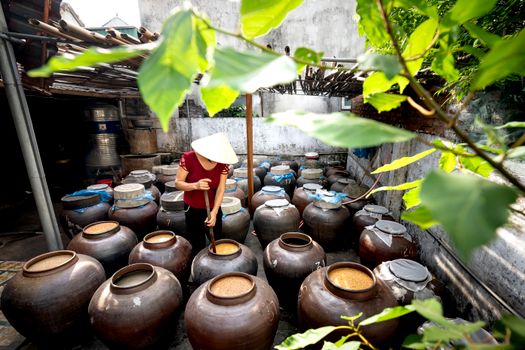
- The Workshop Experience: Head to the Mekong Delta, a region renowned for its agricultural richness and culinary traditions. Look for workshops in smaller towns and villages where families have been making these pastes and vinegars for generations. You'll get hands-on experience preparing ingredients, understanding the fermentation process, and tasting the nuances of different batches.
- Pro-Tip: Engage with your hosts. Ask them about their family's history with these ferments; you'll often uncover fascinating stories and personal anecdotes.
Quick Facts: Vietnam
- Estimated Cost: $30 - $80 per day.
- Best Time to Visit: February to April (spring) for pleasant weather across most regions.
- How to Get There: Major international airports in Hanoi (HAN) and Ho Chi Minh City (SGN). Domestic transport includes buses, trains, and flights.
4. Mexico: The Tangy Soul of Indigenous Traditions
Mexico's culinary heritage is a testament to the ingenuity of its indigenous peoples, and fermentation plays a crucial, albeit often understated, role. While the focus often lands on tacos and mole, the ancient art of fermenting corn, chilies, and other staples is alive and well, offering a distinct and delicious journey.
The most iconic fermented Mexican product is undoubtedly Tequila and Mezcal, derived from the fermented agave plant. But delve further, and you'll find Pulque, a pre-Hispanic alcoholic beverage made from fermented agave sap, with a creamy texture and a unique, slightly sour taste. There are also various fermented chili pastes and salsas, adding a complex tang that goes beyond simple spiciness.
- The Workshop Experience: Venture into the heart of agave-producing regions like Oaxaca or Jalisco. Here, you can find workshops that delve into the traditional methods of agave cultivation, harvesting, and the intricate fermentation process of making mezcal. Some workshops also explore the creation of fermented salsas and other indigenous preparations.
- Authenticity Check: Look for workshops that emphasize traditional tools and techniques, often passed down orally. The smoky aroma of roasting agave is an integral part of the mezcal-making experience.
Quick Facts: Mexico
- Estimated Cost: $50 - $120 per day.
- Best Time to Visit: November to April (dry season).
- How to Get There: Major international airports in Mexico City (MEX), Cancun (CUN), and Guadalajara (GDL).
5. Eastern Europe: The Comforting Embrace of Kvass and Pickles
Eastern Europe is a region where fermentation is not just a culinary practice, but a way of life, deeply embedded in the culture and the changing seasons. It’s about preservation, sustenance, and the comforting, deeply satisfying flavors that warm you from the inside out.
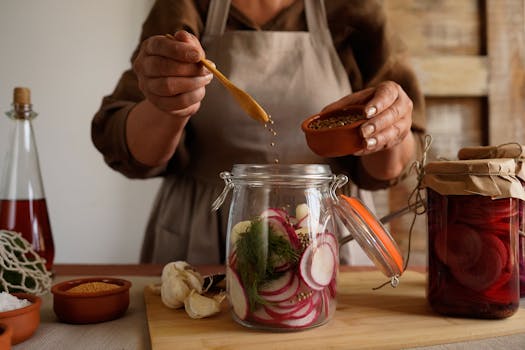
The undisputed king of Eastern European ferments is Kvass, a traditional fermented beverage made from rye bread. It's slightly effervescent, tangy, and incredibly refreshing. Then there are the legendary Pickled Vegetables – cucumbers, cabbage, beets – fermented to perfection, offering a delightful crunch and a complex sourness that is the perfect counterpoint to hearty meals. In countries like Russia and Ukraine, Smetana (sour cream) and Tvorog (farmer's cheese) also rely on fermentation for their characteristic tang.
- The Workshop Experience: Explore smaller towns and villages in countries like Latvia, Lithuania, Estonia, or parts of Russia and Poland. Many family homes and small culinary schools offer workshops focused on making traditional kvass from scratch, pickling a variety of seasonal vegetables, and understanding the nuances of preserving food through fermentation.
- Insider Tip: Don't be shy about trying homemade kvass from a local vendor at a market. The variations are endless, and each offers a unique taste of the region.
Quick Facts: Eastern Europe (Example: Latvia)
- Estimated Cost: $40 - $90 per day.
- Best Time to Visit: Late summer to early autumn (August to September) for harvest and pickling season.
- How to Get There: Fly into Riga International Airport (RIX). Local transport includes buses and trains.
The Art of the Ferment: Why These Workshops Matter
These aren't just cooking classes; they are immersive cultural experiences. They are opportunities to connect with ancient traditions, understand sustainable food practices, and taste flavors that tell a story. In a world increasingly dominated by mass production, these workshops offer a vital link to artisanal craftsmanship, to the patience and skill required to coax incredible flavors from simple ingredients. You'll leave not just with new recipes, but with a deeper appreciation for the microbial world and its transformative power.
Planning Your Fermentation Adventure
Choosing your destination is just the first step. Here are a few more Pro-Tips to ensure a successful and delicious journey:
- Research is Key: Look for workshops that align with your interests. Are you fascinated by dairy ferments, vegetable ferments, or beverages?
- Book in Advance: Especially for smaller, more intimate workshops, booking ahead is essential.
- Embrace the Unexpected: Fermentation is a living process. Be prepared for variations and embrace the imperfections – they are part of the charm.
- Learn Basic Phrases: Knowing a few local greetings and food-related terms can greatly enhance your experience.
- Pack Light, Eat Big: You'll want to savor every bite!
The world of fermentation is vast and endlessly fascinating. By venturing off the beaten path, you can discover not only incredible flavors but also a profound connection to the cultures that have perfected these ancient arts. So, pack your bags, bring your appetite, and get ready to embark on a truly unforgettable culinary adventure!
---