Central American Diving: The Astonishing Truth That Might Just Beat Australia
I stepped off the rickety bus in Utila, Honduras, the air thick with the scent of salt, diesel, and ripe mangoes. The sun beat down, a relentless golden hammer, and the distant thrum of a lone reggae beat drifted from a beachfront bar. This wasn’t the polished, postcard-perfect image I’d half-expected. This was raw, vibrant, and utterly alive. And just a few hours later, submerged in the impossibly clear Caribbean waters, I knew I’d stumbled upon something extraordinary. Something that, dare I say it, might just be giving Australia a serious run for its money.
For years, the Great Barrier Reef has held the undisputed crown of the world's premier dive destination. And for good reason. But the world is a big, beautiful, and increasingly accessible place. And tucked away in the warm embrace of Central America, a vibrant underwater kingdom is silently, spectacularly, calling to us. Forget the eye-watering prices and the endless travel hours to Queensland; the real adventure, the truly unforgettable dives, might be closer than you think.
The Siren Song of the Caribbean: Belize's Blue Hole & Beyond
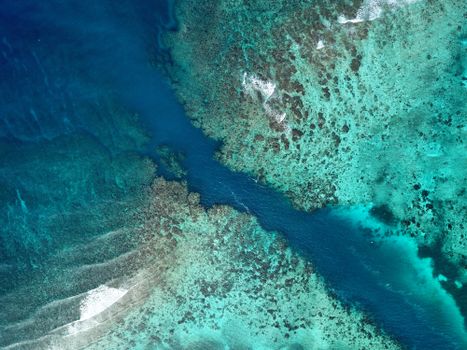
Belize. The name itself conjures images of turquoise waters and palm-fringed beaches. But beneath that idyllic surface lies a diver's paradise. The Belize Barrier Reef, a UNESCO World Heritage site, is the second-largest barrier reef system on the planet, and its sheer scale and biodiversity are staggering.
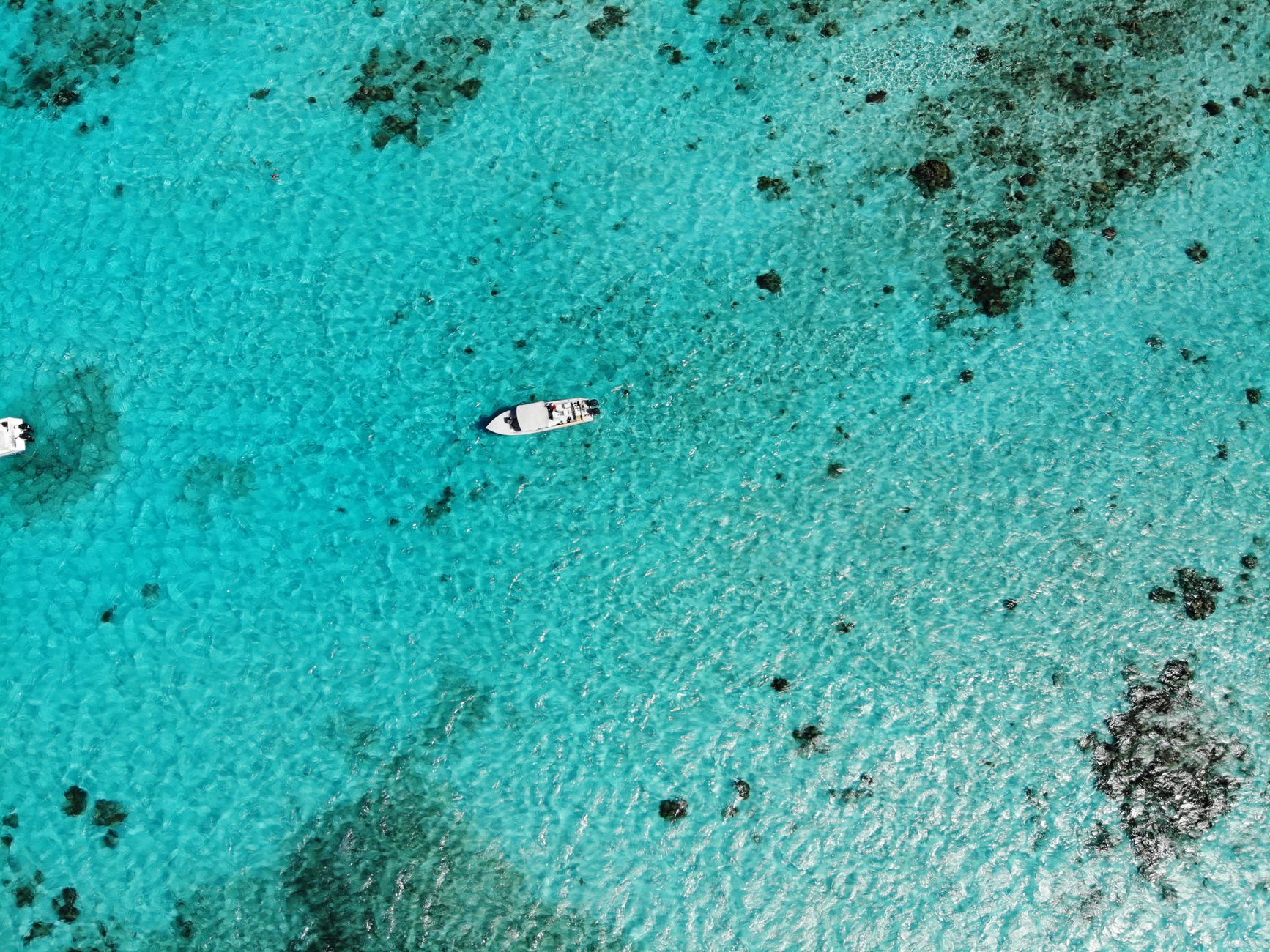
My first encounter with the Belize Barrier Reef was at Hol Chan Marine Reserve. The water was so clear I could see the sandy bottom from the boat. As I descended, the reef exploded into a kaleidoscope of color. Schools of sergeant majors darted past, their electric blue stripes vivid against the coral. A majestic green sea turtle glided by, unperturbed by my presence, its ancient eyes seeming to hold the secrets of the ocean.
But the true showstopper, the one that often gets whispered in hushed, reverent tones, is the Great Blue Hole. A colossal marine sinkhole, this geological marvel is over 300 meters wide and 130 meters deep. While the shallow reef diving in Belize is phenomenal, the Blue Hole offers a different kind of thrill – a descent into the abyss. As you drop down, stalactites, formed during ice ages when sea levels were lower, hang like ancient chandeliers. It’s an otherworldly experience, a feeling of being suspended in time and space.
Pro-Tip: For the Blue Hole, book with a reputable operator that emphasizes safety and provides thorough briefings. The best visibility is often in the morning.
Honduras: The Undiscovered Gem of Utila & Roatan
If you're looking for truly affordable diving without compromising on quality, then Honduras is your holy grail. Utila, in particular, is legendary for its budget-friendly dive schools and its incredible whale shark encounters.
I spent a week on Utila, earning my advanced open water certification for less than I’d spent on a fancy dinner back home. The dive sites here are teeming with life. From the Black Hills, a submerged seamount teeming with barracuda and jacks, to Uvala, a coral garden bursting with angelfish and butterflyfish, every dive was a revelation.
But it was the whale sharks that truly stole my heart. These gentle giants, the largest fish in the sea, are a common sight around Utila, especially during the plankton blooms. Seeing one glide effortlessly through the water, its colossal body a mosaic of spots and stripes, is an experience that will stay with you forever. It’s humbling, awe-inspiring, and utterly unforgettable.
A short ferry ride away, Roatan offers a more developed dive experience, with a wider range of resorts and dive operators. The Mary’s Place dive site on Roatan is a personal favorite – a dramatic wall dive with incredible swim-throughs and an abundance of marine life.
Quick Facts: Honduras Diving
| Category | Estimated Cost (USD) | Best Time to Visit | How to Get There | | :-------------- | :------------------- | :----------------- | :--------------------------------------------------- | | Utila | $30-$50 per dive | Year-round (peak whale shark: Feb-Apr, Aug-Oct) | Fly into San Pedro Sula (SAP), then small plane or bus/ferry to La Ceiba, then ferry to Utila. | | Roatan | $40-$70 per dive | Year-round (peak for whale sharks: Feb-Apr, Aug-Oct) | Fly into Juan Manuel Gálvez International Airport (RTB). |
Guatemala's Unique Twist: Cenote Diving & Lake Atitlán Wonders
While Guatemala might not be the first place you think of for diving, it offers a truly unique and unforgettable underwater experience: cenote diving and the intriguing depths of Lake Atitlán.
Forget the saltwater for a moment. Head inland to the Yucatán Peninsula, just across the border from Mexico, and discover the world of cenote diving. These natural sinkholes, formed by the collapse of limestone bedrock, reveal crystal-clear freshwater caves adorned with stunning stalactites and stalagmites. The visibility in these submerged caverns is often exceptional, creating a surreal, almost spiritual, diving experience. Exploring these ancient underwater cathedrals is unlike anything else.
And then there’s Lake Atitlán. While not a traditional reef dive, exploring the submerged ruins and volcanic formations within this stunning crater lake offers a different kind of adventure. Imagine descending into the clear, cool waters, encountering schools of endemic fish, and feeling the profound stillness of this high-altitude wonder. It’s a dive for the soul.
Pro-Tip: Cenote diving requires specific training and certification. Ensure your guide is highly experienced in cave diving environments.
Costa Rica: Pacific Powerhouses & Caribbean Charms
Costa Rica, the land of 'Pura Vida,' offers a dual dive experience, with distinct underwater landscapes on its Pacific and Caribbean coasts.
On the Pacific side, the Cocos Island National Park is a diver's Mecca, often referred to as the "Islands of the Sea Dogs" for its abundance of marine life, particularly hammerhead sharks. This remote island, a UNESCO World Heritage site, is a pelagic paradise. Think schooling hammerheads, majestic manta rays, Galapagos sharks, and even the occasional whale shark. It's a liveaboard destination for serious divers seeking encounters with the ocean's giants.
Further south, the Caño Island Biological Reserve offers incredible reef diving with abundant fish life, turtles, and rays. The clarity can vary, but the sheer density of marine creatures is impressive.
The Caribbean coast of Costa Rica, while less developed for diving, offers a more relaxed vibe and a chance to see different species, including nurse sharks and a variety of reef fish.
Insider Lingo: On the Pacific coast, you’ll hear divers talk about "the thermocline" – a sudden drop in water temperature. It’s a sign you might be entering a zone where larger pelagics hang out.
Nicaragua: Untamed Pacific Depths
Nicaragua’s Pacific coast is still largely an undiscovered dive frontier. While not as established as its neighbors, it offers a raw, adventurous diving experience for those willing to explore. You’ll find volcanic rock formations, healthy coral patches, and a good chance of spotting rays, sharks, and a variety of reef fish.
The Corn Islands, off the Caribbean coast, offer a more traditional Caribbean dive experience with vibrant reefs and clear waters, though they are more challenging to access.
Pro-Tip: Dive operations are fewer and far between. Research thoroughly and be prepared for a more independent adventure.
Why Central America Might Be Your Next Great Dive Adventure (And Why It's Worth Considering Over Australia)
Let’s be honest, Australia’s Great Barrier Reef is magnificent. But let’s talk practicalities and pure, unadulterated adventure.
- Cost: This is a no-brainer. Diving in Central America is significantly more affordable than in Australia. From dive courses to accommodation and daily dives, your dollar stretches so much further. You can easily do a week of diving in Utila for the price of a few days on the GBR.
- Crowds: While popular spots in Belize can get busy, generally, Central America offers a more intimate diving experience. You’re less likely to be sharing a dive site with dozens of other boats.
- MegaFauna: While Australia has its sharks and whales, Central America offers consistent and accessible encounters with whale sharks (Utila), schooling hammerheads (Cocos Island), and manta rays.
- Accessibility: For many in North America and Europe, Central America is a much shorter and cheaper flight than Australia.
- Variety: From the depths of the Blue Hole to the freshwater caves of cenotes, and the pelagic wonderland of Cocos Island, Central America offers a diverse range of diving experiences that cater to all levels.
- Authenticity: This is where Central America truly shines. The dive towns are vibrant, the food is incredible (think fresh ceviche with lime and chili, and smoky plantains), and the people are warm and welcoming. You’re not just diving; you’re immersing yourself in a rich culture.
The Final Dive: Your Central American Adventure Awaits
So, is Central American diving beating Australia worth considering? Absolutely. It’s not about replacing Australia, but about recognizing that there are other incredible underwater worlds out there, offering unique experiences, incredible value, and unforgettable adventures.
From the vibrant corals of Belize to the gentle giants of Utila and the mysterious depths of Guatemalan cenotes, Central America is a diver’s dream waiting to be explored. Pack your fins, your sense of adventure, and get ready to discover a world beneath the waves that might just surprise you.