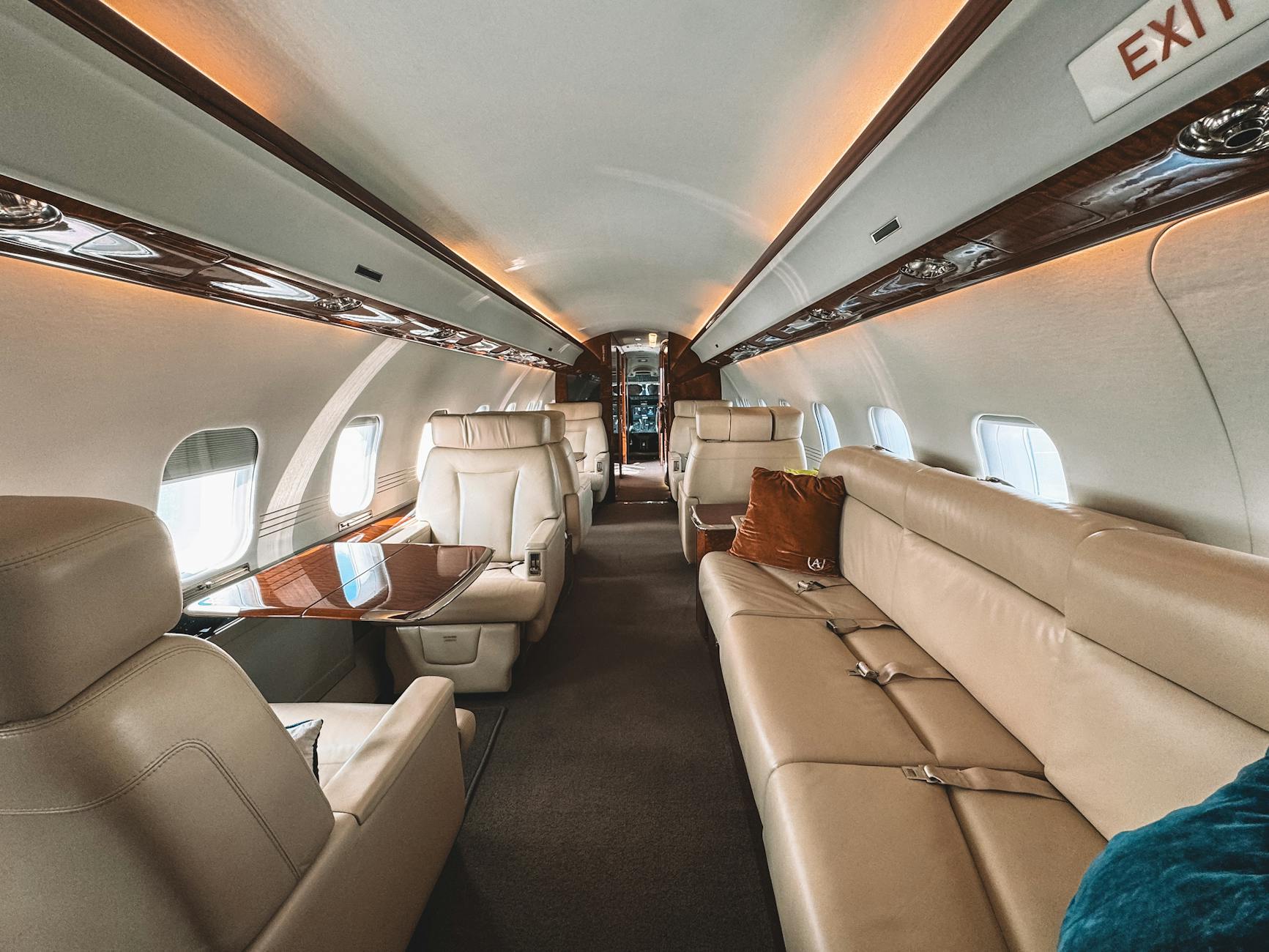
Private jet travel is often imagined as a shortcut to effortless journeys, but it is a very different product from a commercial flight. Commercial economy fares are designed for high volumes of passengers on fixed schedules, while private aviation is arranged around a single group or individual, with flexibility in timing and departure airports. The trade-offs are significant. For most travelers, the comparison is less about whether private travel is better and more about whether its specific advantages justify its cost and complexity. This guide explains the main differences in a balanced way.
Cost and value
Private flights are typically priced by the hour or by the trip, and the total can be many times the price of an economy seat on a scheduled airline. Costs depend on aircraft type, distance, fuel, crew, airport fees, catering, ground transport and whether the aircraft must return empty. Some operators offer empty-leg flights, which are one-way journeys that a jet makes without passengers, sometimes at reduced prices, though they depend on availability and timing. Economy fares, by contrast, can vary widely by season and booking window, and may include few extras. Compare the full cost of each option, including baggage, transfers and time saved.
Time and convenience
One of the main advantages of private travel is time. Passengers may arrive at smaller airports close to their destination, avoid long security queues and board shortly before departure. Schedules can be arranged around the group's needs rather than airline timetables. These benefits are real, although the total journey time may still include transfers, paperwork and weather delays. Commercial flights can be efficient on busy routes with frequent departures, and the convenience gap is smaller on those routes than some people assume.
Access and airports
Private aviation can reach airports that commercial airlines do not serve, including regional fields and general aviation terminals. This may be useful for business or remote destinations. Access to the aircraft still depends on regulations, handling procedures and the aircraft's capabilities, so confirm the details with the operator. Not all destinations can receive every type of aircraft, and runway length, customs arrangements and local rules can limit options.
Flexibility and risk
Private charters can often change their schedule more easily than airline seats, subject to availability and the operator's terms. This flexibility can be valuable for urgent trips. Commercial tickets typically come with defined change and refund rules, and these are published in advance. Private contracts also have terms, and cancellation charges can be significant, so read them carefully. Ask how weather delays, mechanical issues and crew rest requirements are handled, and what happens if a flight must divert.
Safety and regulation
Safety standards in aviation are governed by national and international regulations, and both commercial and private operators must meet them. Ask any operator for information about its certification, safety record, insurance and maintenance procedures. Check whether the operator is licensed by the relevant aviation authority, and confirm the aircraft's registration and crew qualifications. Reputable brokers can help with due diligence, although their fees and commissions should be understood.
Questions to ask before booking
Ask for a fully itemised quote, including all taxes, fees and airport charges. Clarify what happens if the schedule changes, and which party bears the cost. Ask about baggage limits, catering options and whether ground transport is included. Find out the cancellation policy and whether deposits are refundable. Request details of the aircraft and crew, and confirm the operator's insurance.
Practical tips
Compare full costs, including time, transfers and extras, rather than only the fare. Check the operator's certification and safety information. Read cancellation and change terms before you pay. Consider empty-leg options if your schedule is flexible. Confirm airport and customs arrangements early. For most trips, a well-chosen commercial fare offers good value.
Common mistakes to avoid
A frequent mistake is comparing headline prices instead of total costs. Private flights may include fuel, crew, landing fees, catering and ground transport, while economy tickets often list only the base fare, so the comparison needs care. Another error is assuming that empty-leg flights are always cheap or always available. Their timing depends on the aircraft's movements, and plans can change at short notice. Travelers also tend to underestimate arrival logistics, such as transport from a small airport, customs formalities and parking. Some people book through a broker without asking how the operator was verified or how commissions are handled. Others forget to confirm the aircraft type, which affects baggage, comfort and whether certain destinations can receive it. Asking detailed questions before paying helps avoid most of these issues.
How to decide: a simple checklist
Consider these questions for a specific trip:
- Does the time saved justify the extra cost for this journey?
- Have I compared a fully itemised quote with the best commercial fares?
- Can I confirm the operator's certification and insurance in writing?
- Are the departure and arrival airports suitable for the aircraft and my onward transport?
- Do I understand the cancellation and change terms before paying?
If several answers are unclear, a commercial fare is often the simpler choice, particularly for routine journeys.
Who this suits and who it doesn't
Private aviation may suit business travelers who need flexible timing, people travelling to remote locations with limited scheduled service, or groups who value privacy and a fixed itinerary. It can also suit those with specific medical or accessibility needs, where a tailored journey is important. It is generally less suitable for travelers who are price-sensitive, who enjoy the social side of commercial travel, or who fly on busy routes where scheduled services are frequent and convenient. Anyone considering private travel should weigh the benefits against the cost and the added responsibility for due diligence.
Private jet travel can offer genuine benefits in time, privacy and access, particularly for specific needs. For most travelers, however, economy airfare remains the practical choice, because it is far less expensive and widely available. Judging the options by total cost, reliability and personal priorities leads to a more realistic decision than comparing headline prices alone.


