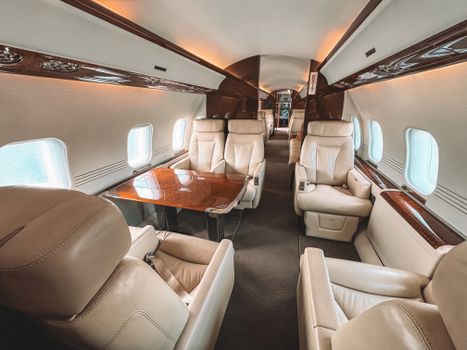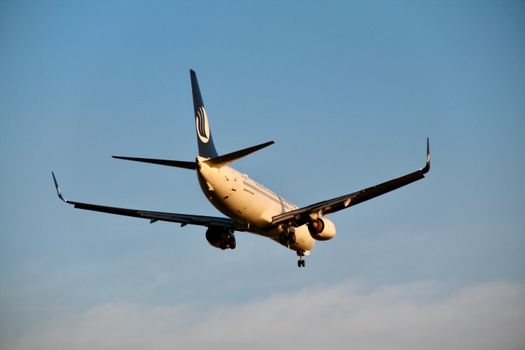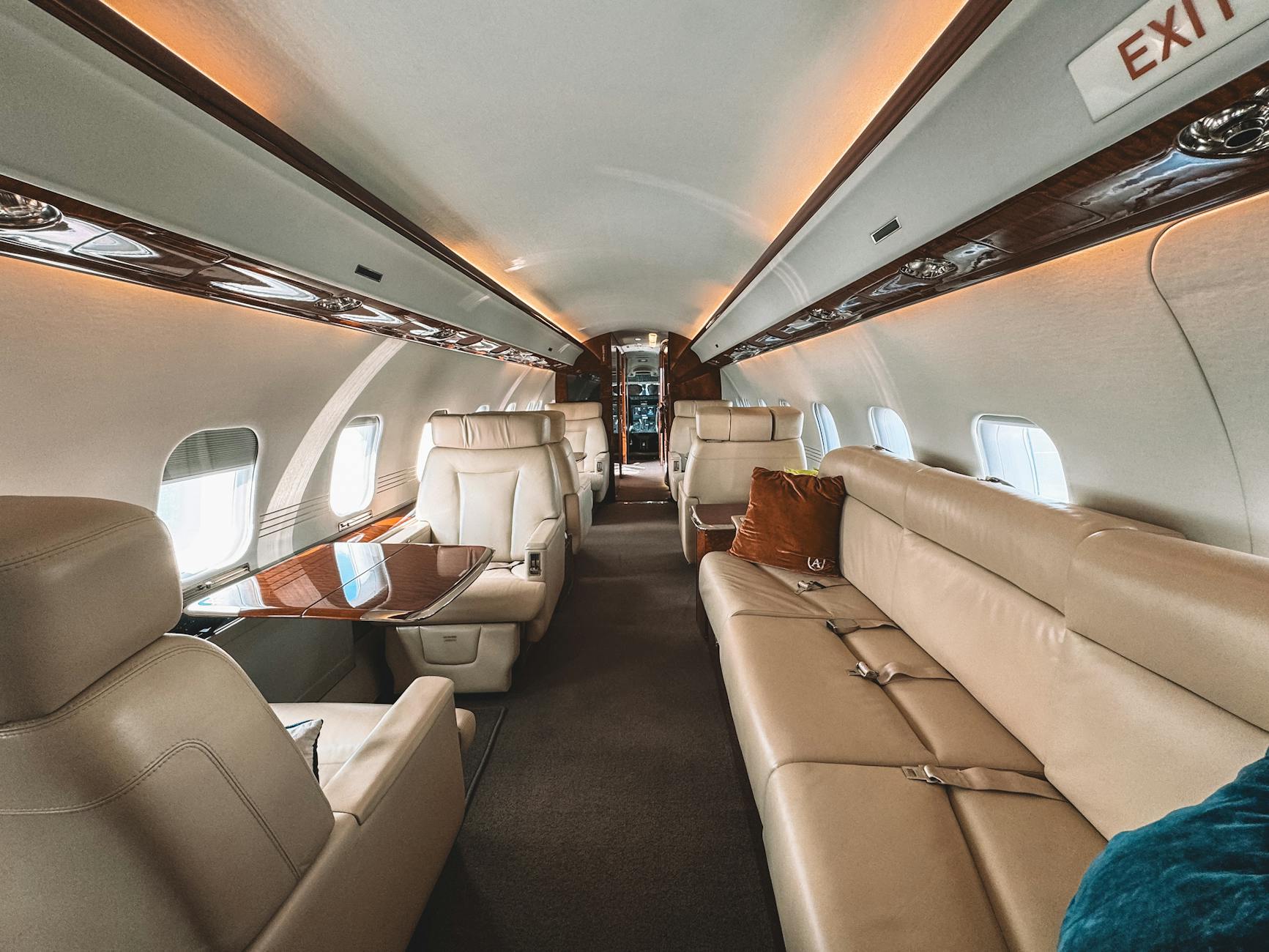
Private jet travel is often associated with luxury, but for some trips it is a practical choice based on schedule, privacy, group size or access to small airports. Commercial airfares, by contrast, are designed for mass travel and are often far less expensive per seat. Comparing the two fairly means looking beyond the headline price to include time, flexibility, ground transport, the number of people traveling and the purpose of the journey.
This guide explains how the two models differ, what to compare, how to check safety and certification, and how to decide which option fits a particular trip. It does not assume that one choice is always better. Instead, it offers a structure for weighing the trade-offs, so that the decision reflects your real priorities rather than the marketing around either option.
How the pricing models differ
Commercial airfares are priced per seat and vary with demand, booking time, route, cabin class and fare rules. Lower fares often come with restrictions on changes, baggage and refunds, so the cheapest option is not always the least expensive once extras are included. Airlines also adjust prices frequently, which makes comparing on different days useful.
Private charters are typically priced by the aircraft and the flight time, plus fees for landing, handling, crew, catering and sometimes positioning, which is the cost of moving the aircraft to where it is needed. Fractional ownership and membership programs involve different structures, often with upfront commitments and recurring fees. Because the models are fundamentally different, compare the total cost of the whole trip for everyone traveling.
Time savings and convenience
Private aviation can reduce time at airports by allowing departure from smaller terminals, with shorter processing and boarding closer to departure. Schedules can be more flexible, and passengers may avoid crowded hubs. These benefits matter most when a trip has tight timing, several stops or a need to reach destinations that are poorly served by scheduled routes.
Estimate the full door-to-door time for both options. Include check-in, security, transfers, waiting time and ground transport at both ends. A private flight departing from a distant airport can add substantial time once the drive is counted, while a commercial route through a well-connected hub may be quicker overall. A simple timeline for each option often reveals the real difference.
Flexibility, routes and access
Charter flights can serve airports that have no scheduled commercial service and can often adjust departure times to suit the group. Commercial airlines offer extensive networks, frequent schedules and established rebooking rules when disruptions occur, which can be valuable for travelers who depend on many connections.
Consider how each option handles weather, delays and changes. Ask charter operators about cancellation policies, backup aircraft, crew duty limits and what happens if a flight must be diverted. Confirm whether the airports involved have the facilities, customs arrangements and ground handling needed for the journey, since these vary considerably between locations.
Safety, certification and due diligence
Air safety standards apply to both commercial and private operations, but operators differ in their certification, maintenance practices, crew training and safety records. Check that a charter operator holds the appropriate air operator certificate for the country in which it operates, and ask how the aircraft are maintained and by whom. Insurance coverage and passenger liability limits should also be confirmed in writing.
Use official aviation authority registries, where available, to verify operator and aircraft details. Compare providers carefully rather than selecting only by brand, reputation or price. Consumer protection rules differ by jurisdiction, so understand what recourse is available if something goes wrong and whether your payments are protected if an operator fails.
Environmental and budget considerations
Private flights generally produce more emissions per passenger than commercial flights on the same route, particularly when the aircraft is lightly loaded. Travelers who value environmental impact should weigh this seriously, and may compare the emissions estimates that operators provide using a consistent method. Reducing the number of trips or combining purposes can also lower the overall footprint.
Budget considerations include not only the base quote but also positioning flights, cancellation fees, landing and handling charges, taxes and surcharges. A group of travelers may find a charter more competitive once the per-person cost is calculated, while a solo traveler will often find commercial fares more economical. The break-even point depends on the route, the size of the group and the flexibility required.
A framework for choosing between them
Start by identifying your non-negotiables, such as a fixed arrival time, a need for privacy, access to a small airport or a ceiling on total cost. Then build a simple comparison table with total cost, total travel time, number of stops, flexibility, baggage allowances and ground transport for each option. Include the number of travelers and the purpose of the trip so the comparison reflects reality.
Next, weigh the less tangible factors, such as comfort, the value of working during the journey and the impact of disruption. Finally, check current fares and quotes on the day you compare, because both markets change frequently and a quote can expire quickly. A decision made this way is easier to explain to colleagues, family or clients.
Common mistakes to avoid
A frequent mistake is comparing only the flight price and ignoring ground transport, fees and the cost of changes. Another is assuming that a private flight is always faster, when a poorly timed departure or a long drive can erase the advantage. Some travelers also overlook baggage, pet or accessibility policies, which may differ significantly between operators and airlines.
Failing to get written quotes is a further risk. Verbal estimates may not include taxes, handling fees or cancellation terms. Finally, many people do not check operator documentation or insurance details until a booking is almost complete, which can leave little time to resolve problems.
What to check before booking
Get written quotes that list all fees, taxes and cancellation terms. Confirm the aircraft type, passenger capacity, luggage allowances and catering arrangements. Verify operator certification with the aviation authority of the country involved, and ask for evidence of insurance. Check that airports, customs and ground handling are available at both ends of the journey.
Also confirm timing rules, such as the latest possible change to a departure, and what happens if weather or technical issues cause delays. Review data protection terms if you are sharing personal information, and make sure your travel insurance covers the type of journey you plan to take.
Who private aviation suits and who it does not
Private aviation can suit travelers with demanding schedules, groups who want to share costs, passengers who need privacy or access to small airports, and people whose time is particularly valuable. Some organizations use charters for specific operational needs, and families may choose them for convenience when traveling with young children or bulky equipment.
It is less suitable for solo travelers or small groups with flexible dates, for people who prioritize environmental impact and for anyone who expects every detail to be simple. Commercial airfares may be a better match for travelers who value wide route networks, frequent departures and well-established consumer protections.
Frequently asked questions
Is private jet travel always more expensive? Not always, though it is often costlier per seat. For groups, the per-person cost can sometimes be comparable, depending on route and timing.
How can I verify an operator? Check the aviation authority registry in the relevant country and ask for certification documents. Confirm details directly with the authority rather than relying only on the operator's own material.
Are commercial flights safer? Both sectors operate under safety regulations, and safety depends on the specific operator, aircraft and maintenance program. Compare providers on their verified records rather than on the category alone.
Private jet travel and commercial airfares suit different needs, and the best choice depends on the people, timing and priorities of a particular trip. A fair comparison looks at total cost, time, flexibility, safety and environmental impact together, which usually gives a clearer answer than the price of a single seat.