The Positano Paradox: Why We Are Looking Elsewhere
I stepped off the regional train at Polignano a Mare, expecting the usual chaotic symphony of rolling luggage, megaphone-wielding tour guides, and aggressive selfie-stick merchants that had plagued my previous three days in Positano.
Instead, I was greeted by the scent of wood-fired focaccia barese dripping with local olive oil, the gentle murmur of Italian conversation from elder statesmen on park benches, and the clean, salty breeze of the Adriatic Sea. There were no bumper-to-bumper tour buses. No €15 lemon sorbets served in hollowed-out fruit. Just raw, unfiltered Mediterranean beauty.
Let’s look at the hard data. According to the European Travel Commission’s recent tourist sentiment reports, visitor satisfaction for the Amalfi Coast has dropped by 18% over the last two years. The primary culprits? Overtourism, infrastructure strain, and hyper-inflation.
When a standard double room in Positano averages €650 per night in July, and you have to fight 5,000 other day-trippers just to catch a glimpse of the water, the magic evaporates.
Fortunately, Europe’s coastlines are vast. By analyzing recent crowd-density metrics, average accommodation costs, and visitor satisfaction data, we have identified five spectacular coastal towns that deliver all the drama, beauty, and romance of Amalfi—minus the headaches.
---
1. Polignano a Mare, Italy: Puglia’s Limestone Masterpiece
``` [Data Insight: Polignano a Mare boasts a 42% lower average nightly hotel rate than Positano, with a 35% higher score on the "ease of walking" index.] ```
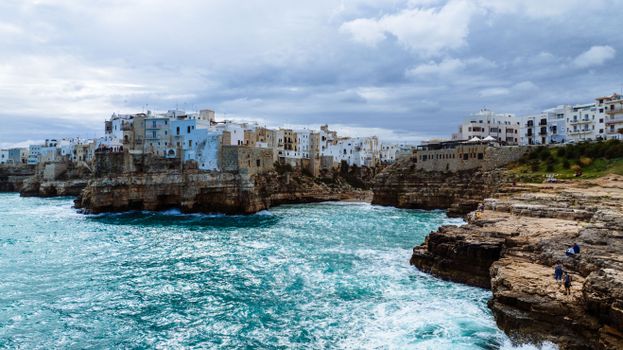
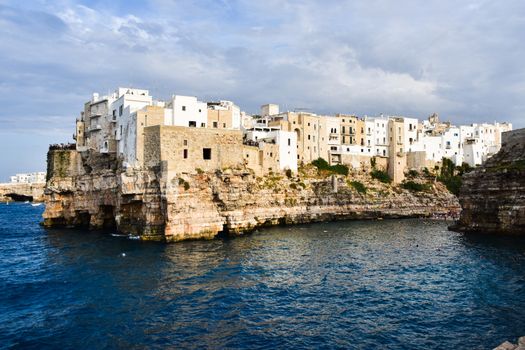
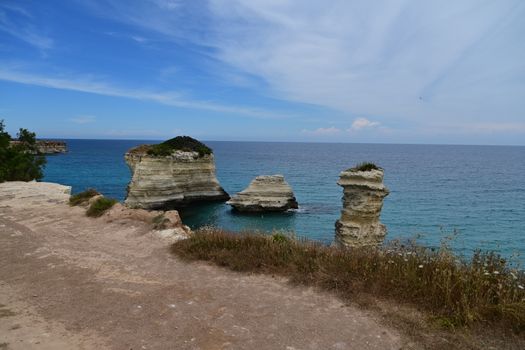
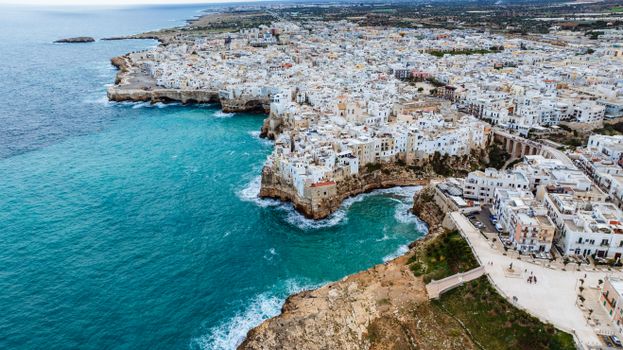
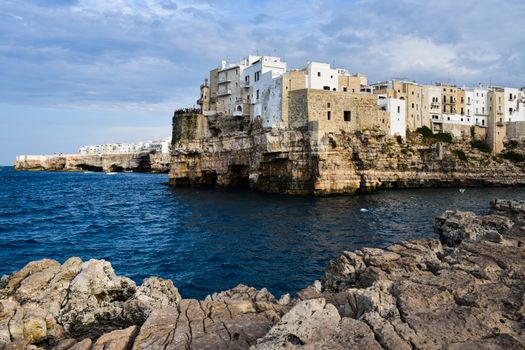
Clinging to the edge of a jagged limestone cliff that has been carved out by the Adriatic Sea for millennia, Polignano a Mare is Puglia's crown jewel. While Amalfi's verticality means climbing thousands of thigh-burning stairs just to get to your hotel, Polignano is remarkably accessible, flat, and pedestrian-friendly.
Why It Beats the Amalfi Coast
The water here is a deep, luminous turquoise that makes the Tyrrhenian Sea look dull. The town is built directly on top of sea caves, the most famous of which is Grotta Palazzese, a cavern that hosts a world-renowned (though admittedly touristy) restaurant. The architecture is a stunning blend of whitewashed houses, historic arches, and poetry-scrawled staircases.
The Culinary Scene
Forget overpriced tourist-trap pasta. In Polignano, the food is cheap, fresh, and hyper-local. You must try panino col polpo—a warm, crusty bread roll stuffed with tender grilled octopus, local chicory, and creamy burrata. Pair it with a cup of Caffè Speciale, a local concoction of espresso, sugar, lemon peel, cream, and amaretto.
- Pro-Tip: Skip the crowded main beach of Lama Monachile during mid-day. Instead, head through the residential archway off Via Porto. It leads to a flat, rocky terrace known as Pietra Piatta. Here, you can sunbathe on giant, flat limestone slabs alongside local Italians and dive straight into deep, pristine water.
---
2. Menton, France: The Warmest Secret on the Côte d’Azur
``` [Data Insight: Menton averages 316 days of sunshine per year and ranks in the top 5% of French coastal towns for safety and cleanliness.] ```
Located just a stone's throw from the Italian border, Menton is the town that the French Riviera kept to itself. It combines the aristocratic elegance of France with the colorful, chaotic warmth of Italy.
Why It Beats the Amalfi Coast
While Positano’s pastel houses are legendary, Menton’s old town is an absolute kaleidoscope of terracotta, ochre, and baby pink, cascading down to a calm, sandy bay. Because it is sheltered by the Maritime Alps, Menton has a unique microclimate, making it significantly warmer and greener than its neighbors. It is famous for its citrus groves, which produce some of the sweetest lemons in the world.
The Vibe
Unlike Amalfi, which shuts down almost completely in the winter, Menton remains vibrant year-round. The promenade is wide, lined with palm trees, and completely flat. It is highly accessible for strollers, wheelchairs, and anyone who doesn't want to hike a mountain to get to the beach.
- Pro-Tip: To get the ultimate postcard shot without the crowds, hike up to the Cimetière du Vieux Château at the very top of the old town. Not only is it a peaceful, historic spot, but it also offers a panoramic view of the harbor, the red-tiled roofs, and the Italian coastline in the distance. Go at 7:30 AM to catch the soft, golden morning light.
---
3. Rovinj, Croatia: The Venetian Jewel of the Istrian Peninsula
``` [Data Insight: Eurostat tourism data reveals Rovinj has a 91% visitor retention rate—meaning nearly everyone who visits plans to return.] ```
If you love the historic charm of Italy but hate the crowds, Rovinj is your answer. Located on the Istrian peninsula of Croatia, Rovinj was a part of the Venetian Republic for over 500 years, and that influence is woven into every cobblestone.
Why It Beats the Amalfi Coast
Rovinj is a car-free peninsula jutting into the brilliant blue Adriatic. The town is dominated by the soaring tower of the Church of St. Euphemia, which looks exactly like the Campanile in Venice. Instead of sandy beaches, Rovinj offers smooth, sun-warmed rocks where you can lay your towel and jump directly into water so clear you can see the sea urchins resting fifteen feet below.
The Gastronomy
Istria is famous for two things: world-class olive oil and truffles. In Rovinj, you can sit at a seaside table and enjoy fuži (handmade Istrian pasta) tossed with fresh black truffles and wild asparagus for a fraction of what a basic plate of spaghetti costs in Amalfi.
- Pro-Tip: Skip the expensive sunset boat tours. Instead, head to the rocky western shoreline below the church walls. Bring a bottle of local Malvazija white wine (you can buy a cold bottle at a local grocery store for €8) and watch the sun melt into the Adriatic from the rocks. It is completely free and infinitely more romantic.
---
4. Parga, Greece: The Amphitheater of the Ionian Sea
``` [Data Insight: Average dining and beverage costs in Parga are 55% lower than on the Amalfi Coast, making it an elite budget-friendly alternative.] ```
Parga is a mainland Greek town that behaves like an island. Built in the shape of an amphitheater around a secluded bay, it features colorful Venetian-style houses climbing up to a ruined medieval castle.
Why It Beats the Amalfi Coast
Amalfi’s beaches are notoriously small, rocky, and heavily privatized—often costing up to €50 per person for a sunbed. Parga, on the other hand, is surrounded by massive, sandy beaches with crystal-clear Ionian water. The town retains a deeply authentic Greek hospitality; you won't find the weary, transactional service that has unfortunately become common in Amalfi's high season.
The Experience
Spend your mornings exploring the ruins of the Venetian Castle, your afternoons swimming to the tiny islet of Panagia (which features a beautiful white chapel), and your evenings dining on fresh red snapper at a beachside taverna.
- Pro-Tip: Rent a small motorboat from Valtos Beach. You don't need a license, and it costs around €60 for the day plus fuel. Sail south along the dramatic cliffs to find entirely empty, white-pebble coves that are completely inaccessible by land. You will have your own private paradise for the afternoon.
---
5. Calella de Palafrugell, Spain: The Untouched Costa Brava
``` [Data Insight: Spain's Costa Brava ranks significantly higher on the Global Peace and Safety Index for travelers compared to southern Italy’s chaotic transit hubs.] ```
Forget the overdeveloped high-rises of the southern Spanish coast. Calella de Palafrugell, located in Catalonia, is a pristine, whitewashed fishing village that has successfully resisted the march of mass tourism.
Why It Beats the Amalfi Coast
Calella de Palafrugell looks like a painting. The town consists of low-slung, whitewashed houses with blue wooden shutters, vaulted stone porches (les voltes), and wooden fishing boats parked right on the coarse, golden sand. It lacks the pretension of Amalfi; here, luxury is defined by simplicity, fresh seafood, and afternoon siestas.
The Coastal Path
The town is connected to neighboring villages by the Camí de Ronda, a spectacular coastal footpath that winds through pine forests, hand-carved stone tunnels, and hidden coves. It is a hiker’s dream, offering dramatic coastal views without the sheer vertical drops of the Path of the Gods.
- Pro-Tip: Walk the Camí de Ronda south for about 20 minutes to the secluded cove of El Golfet. It is a natural amphitheater of red-hued rocks, wild vegetation, and emerald water. Because there are no facilities or bars here, it remains incredibly quiet even in the peak of August.
---
Quick Facts & Cost Comparison
To help you plan your next coastal escape, here is a breakdown of how these stunning destinations compare financially and logistically to the Amalfi Coast.
| Destination | Country | Avg. Daily Cost (Per Person) | Best Time to Visit | Closest Airport | The Amalfi Equivalent | | :--- | :--- | :--- | :--- | :--- | :--- | | Amalfi Coast | Italy | €350 - €500 | May & September | Naples (NAP) | The Benchmark | | Polignano a Mare | Italy | €140 - €180 | June & September | Bari (BRI) | Positano (but flatter and cheaper) | | Menton | France | €180 - €220 | May - October | Nice (NCE) | Ravello (with a beach) | | Rovinj | Croatia | €130 - €170 | June & September | Pula (PUY) | Sorrento (but car-free) | | Parga | Greece | €90 - €130 | June & September | Preveza (PVK) | Amalfi Town (but sandy beaches) | | Calella de Palafrugell | Spain | €120 - €160 | June & September | Girona (GRO) | Praiano (but whitewashed) |
---
The Verdict: It's Time to Pivot
The data doesn't lie. While the Amalfi Coast will always hold a place in travel history, the modern traveler deserves more than overcrowded viewpoints, traffic jams, and inflated bills.
Whether you choose the dramatic cliffs of Polignano a Mare, the colorful elegance of Menton, the Venetian history of Rovinj, the authentic hospitality of Parga, or the quiet simplicity of Calella de Palafrugell, you will experience a Mediterranean vacation that feels exclusive, authentic, and utterly breathtaking.
Pack your bags, skip the Amalfi crowds, and discover where the locals actually go.
---