The Hook: The Day I Walked Away from Positano
I stepped off the ferry in Positano last July, and my senses were immediately assaulted—not by the scent of wild lemons, but by the suffocating cloud of designer perfume and diesel exhaust. I spent forty-five minutes wedged between tour groups just trying to navigate a single staircase. When a mediocre plate of scialatielli ai frutti di mare set me back €45, I knew the dream was dead. The Amalfi Coast hadn't just become expensive; it had lost its soul to the algorithm.
Determined to find the magic that originally drew travelers to Southern Italy in the 1960s, I spent the last year scouting the rugged fringes of the Mediterranean, Adriatic, and Ionian seas.
What I discovered blew me away. There are pockets of Europe where the water is clearer, the cliffs are more dramatic, and the local fisherman still wave to you from the docks. These are the coastal towns prettier than the Amalfi Coast emerging this year, and they are ready for their close-up.
---
1. Rovinj, Croatia: The Venetian Dream Without the Gondola Grift
``` _..._ .| |. |'-...-'| <- Rovinj's St. Euphemia spire dominates the skyline, | | rising directly out of the sapphire Adriatic. |_.._.._| ```
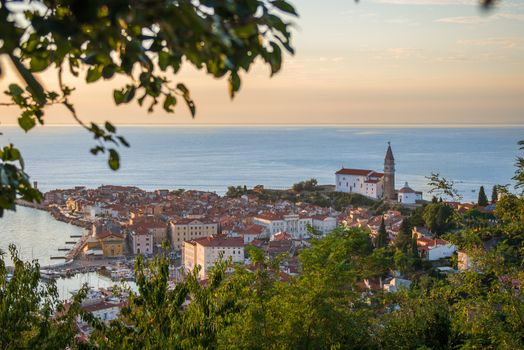
If you took Venice, stripped away the muddy canals, and dropped its pastel-colored palazzos directly into the sparkling Adriatic Sea, you would get Rovinj. Located on the Istrian peninsula, this fishing port is a labyrinth of cobblestone streets polished smooth by centuries of footsteps.
Unlike Amalfi, where the cliffs isolate you from the water, Rovinj is a peninsula where the town is the coastline. The houses rise straight out of the sea, their green shutters framing views of the active fishing fleet returning with the daily catch.
- The Vibe: Art-focused, romantic, and deeply historic.
- The Culinary Hero: Istrian white truffles shaved over handmade fuži pasta.
- The Secret Spot: Walk past the Church of St. Euphemia down to the rocky shoreline of the Monte Beach. There are no sunbeds here—just flat, sun-warmed rocks where locals dive straight into deep, azure water.
- Pro-Tip: Skip the overpriced seafood joints on the main harbor. Head instead to Torkolo, a tiny konoba tucked away in the back alleys, and order the brodet (local fish stew) with polenta.
---
2. Parga, Greece: The Amphitheater of the Ionian Sea
``` /\_/\ <- The Venetian Castle ruins look down /\ / \/\ upon the colorful crescent of Parga. / V V \ /_____________\ ```
Forget the dry, whitewashed Cyclades. Parga, located on the northwestern coast of mainland Greece, is a lush, emerald paradise that feels like a closely guarded secret. The town is built as a natural amphitheater around a crescent-shaped bay, with multi-colored houses painted in terracotta, mustard, and olive green cascading down to a harbor of neon-blue water.
Towering over the town are the pine-scented ruins of a 14th-century Venetian castle, offering panoramic views of the tiny islet of Panagia, which you can easily swim to from the town beach.
- The Vibe: Laid-back Greek hospitality with an Italian architectural flair.
- The Culinary Hero: Wild-caught octopus grilled over charcoal, drizzled with local olive oil and wild mountain oregano.
- The Secret Spot: Rent a motorboat from Krioneri Beach and navigate to the hidden sea caves of Lichnos. The water inside glows with an eerie, bioluminescent blue.
- Pro-Tip: Walk up the steep, winding path to the Venetian Castle at 7:30 AM. You will have the entire fortress, the scent of wild sage, and the sunrise over the Ionian Sea entirely to yourself.
---
3. Calella de Palafrugell, Spain: The Soul of the Costa Brava
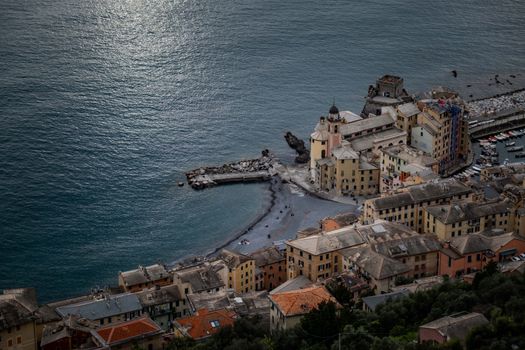
While most tourists head to Lloret de Mar to drink cheap sangria, those in the know head north to the rugged coves of Calella de Palafrugell. This is the Spain of Salvador Dalí—a series of pristine, sandy coves separated by rocky headlands and connected by the Camí de Ronda (coastal path).
The architecture here is remarkably preserved: low-slung, whitewashed fisherman's cottages with vaulted stone arches (les voltes) right on the sand. There are no high-rise hotels or flashy beach clubs here, just wooden fishing boats resting on the shore.
- The Vibe: Bohemian, artistic, and understated luxury.
- The Culinary Hero: Arroz negro (squid ink rice) cooked in a flat iron pan and served with fresh alioli.
- The Secret Spot: Walk the coastal path south for 15 minutes to Cala Estreta. It is a double crescent beach flanked by red cliffs and pine forests, completely untouched by commercial development.
- Pro-Tip: Visit the Cap Roig Botanical Gardens in the late afternoon. The gardens terrace down to the sea, and the scent of blooming geraniums mixed with salty sea air is intoxicating.
---
4. Vieste, Italy: Puglia’s White Fortress
If you still want Italy but refuse to pay Amalfi prices, look to the heel of the boot. Vieste clings to a dramatic limestone peninsula poking out into the Adriatic Sea in the Gargano National Park.
The town is famous for its blindingly white houses that seem to grow organically out of the sheer limestone cliffs. Guarding the entrance to the main beach is Pizzomunno, a monolithic, 80-foot-tall white limestone stack that looks like a sleeping giant rising from the surf.
- The Vibe: Raw, wind-swept, and fiercely traditional.
- The Culinary Hero: Orecchiette with turnip tops (cime di rapa), anchovies, and toasted breadcrumbs.
- The Secret Spot: Rent a kayak and paddle to the Grotta Sfondata. It is a massive sea cave where the roof has collapsed, creating a secret, sunlit beach inside the rock.
- Pro-Tip: The wind picks up in the afternoon, making it a haven for windsurfers. If you want calm, glassy water for swimming, you must be on the beach by 8:00 AM.
---
5. Himarë, Albania: The Untamed Riviera
``` ~ ~ ~ ~ ~ ~ ~ ~ ~ ~ _/\_/\_/\_/\_ ~ <- The dramatic Ceraunian Mountains plunge ~ / \ ~ directly into the pristine Ionian Sea. ~ /_______________\ ~ ```
Albania is Europe’s fastest-growing travel destination, and Himarë is its crown jewel. Located where the Ceraunian Mountains plunge directly into the Ionian Sea, Himarë offers the dramatic geography of the Amalfi Coast at a fraction of the cost.
The town is split into two halves: the modern beachside promenade and the ancient, atmospheric castle ruins of Kastro perched high on the hill. Here, old women dressed in black still herd goats through cobblestone alleys, and wild figs grow over ancient stone walls.
- The Vibe: Adventurous, rugged, and incredibly budget-friendly.
- The Culinary Hero: Freshly caught sea bream grilled with wild herbs, paired with a glass of local Shesh i Bardhë white wine.
- The Secret Spot: Hike over the headland north of the town to find Gjipe Beach. Located at the end of a deep red-rock canyon, this beach is only accessible by foot or boat, keeping it blissfully empty.
- Pro-Tip: Do not rely on credit cards here. Himarë still runs largely on cash (Albanian Lek). Keep a stash of cash on hand for beach beds, local tavernas, and boat rides.
---
6. Kotor, Montenegro: The Fjord of the Balkans
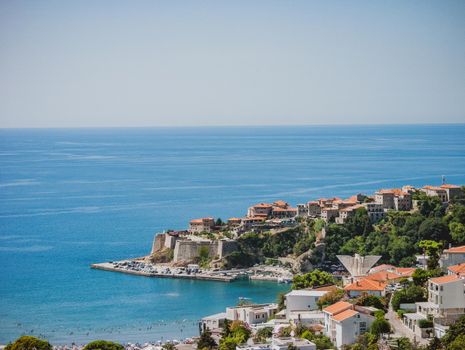
While technically situated in a bay rather than the open ocean, Kotor offers a coastal landscape so jaw-dropping it makes Positano look flat. The Bay of Kotor is a submerged river canyon, flanked by near-vertical limestone cliffs that rise 1,000 meters straight out of the glassy, emerald water.
The town itself is a UNESCO-protected medieval maze of stone palaces, hidden squares, and historic churches, guarded by a massive defensive wall that snakes up the mountain behind it.
- The Vibe: Dramatic, historic, and mystical.
- The Culinary Hero: Black risotto (crni rižot) rich with cuttlefish ink and local mussels.
- The Secret Spot: Skip the crowded city walls climb. Instead, hike the Ladder of Kotor, an ancient horse trail outside the city walls that offers better views, zero entry fees, and a rustic cheese-tasting shack halfway up.
- Pro-Tip: Cruise ships dock here regularly. To avoid the crowds, check the port schedule online and plan your exploration of the Old Town for early morning or late evening when the day-trippers have departed.
---
The Budget & Logistics: How They Compare
To help you plan your escape, here is a direct breakdown of what to expect when planning a trip to these emerging coastal alternatives.
| Destination | Est. Daily Budget ($) | Best Time to Visit | Closest Airport | Vibe in One Word | | :--- | :--- | :--- | :--- | :--- | | Amalfi Coast (Baseline) | $450 - $800+ | May & September | Naples (NAP) | Overcrowded | | Rovinj, Croatia | $180 - $300 | June & September | Pula (PUY) | Romantic | | Parga, Greece | $120 - $220 | June & September | Preveza (PVK) | Vibrant | | Calella de Palafrugell | $190 - $310 | June & September | Girona (GRO) | Artistic | | Vieste, Italy | $130 - $240 | June & September | Bari (BRI) | Dramatic | | Himarë, Albania | $60 - $110 | July & September | Corfu (CFU) + Ferry | Untamed | | Kotor, Montenegro | $110 - $210 | May & October | Tivat (TIV) | Majestic |
---
The Verdict: Where Should You Go First?
If you want effortless romance and world-class food, book a ticket to Rovinj.
If you are looking for unspoiled nature and raw adventure on a budget that won't break the bank, head straight to Himarë.
The era of the Amalfi Coast as the undisputed queen of Mediterranean travel is winding down. The crowds have arrived, the prices have skyrocketed, and the magic has moved on. It is time to pack your bags and explore the new, pristine frontiers of the European coast before the rest of the world catches on.
---