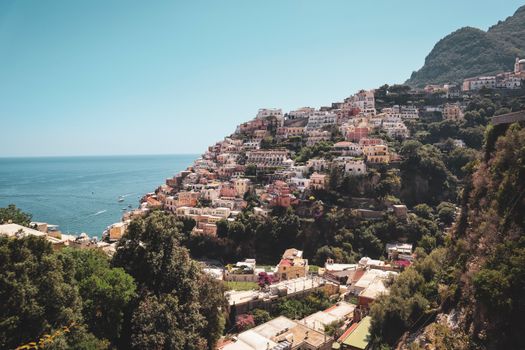
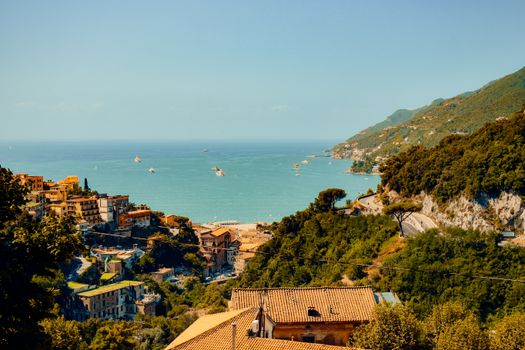
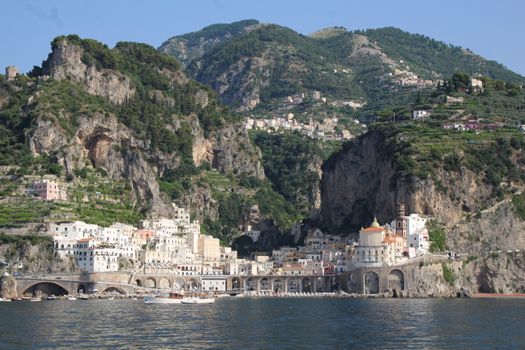
The Amalfi Coast is one of the most photographed stretches of coastline in the world, with terraced villages, steep cliffs and blue water. Its popularity means that spring and early summer can bring large numbers of visitors to the main towns, and accommodation can be expensive and difficult to book. Many travelers look for a similar combination of scenery, food and historic architecture in quieter places. Beauty is subjective, so no single town can claim to be more beautiful than another. This guide describes several coastal towns that share some of the qualities people value on the Amalfi Coast, and offers planning advice for spring trips.
What makes the Amalfi Coast distinctive
The Amalfi Coast combines a rugged coastline with villages built on hillsides, stairways between levels and harbours that once served medieval trading routes. Lemon groves, colourful houses and a strong food tradition add to its appeal. When looking for alternatives, travelers often focus on a few features: a dramatic coastline, a walkable old town, good seafood and access to boats or walking paths. Knowing what you value most helps narrow the choice.
Italian alternatives
Several Italian coastal areas offer comparable scenery. The Cilento coast in Campania has cliffside roads, small fishing villages and clear water, with fewer international visitors than the Amalfi Coast. Calabria's Tropea sits on a cliff above the sea and has a historic centre and beaches. In Sicily, Cefalù combines a medieval old town with a sandy beach and a cathedral. Liguria's smaller villages, away from the most visited areas, can offer dramatic coastal paths and fresh seafood. Check ferry and bus timetables, since services can be less frequent than on the busiest routes.
Croatia and the Adriatic
The Croatian coast has many walled towns and islands with clear water and historic harbours. Towns in Dalmatia and on smaller islands often combine stone streets, markets and boat trips. Some coastal areas are less developed for mass tourism, and small hotels and guesthouses are common. Ferry connections between islands and the mainland can change with the season, so plan crossings in advance and allow extra time for travel.
Spain's Mediterranean and Atlantic towns
Spain has many coastal towns with strong character. On the Costa Brava, Cadaqués is known for white houses, fishing traditions and a long association with artists. Towns along the Basque coast and in Galicia offer green hills, cliffs and food traditions based on fresh fish and shellfish. Andalusian coastal towns can be a good option for those who want warm weather and a relaxed atmosphere. Each region has its own climate and seasonal patterns, so check typical conditions before you go.
Greece and smaller islands
Greece has numerous coastal villages and smaller islands that suit travelers looking for quiet harbours and walking paths. The Peloponnese, for example, has harbour towns with historic buildings and access to beaches. Some islands are linked by regular ferry services, while others require longer journeys. Summer can be busy, but spring often brings milder temperatures and fewer visitors. Wildflowers and quieter trails can make spring a rewarding time for walking.
Planning a spring coastal trip
Spring weather in the Mediterranean is often mild, but sea temperatures can still be cool, and some tourist services may not yet be fully open. Check whether boat trips, restaurants and attractions are running on your dates. Accommodation may be easier to find than in midsummer, but popular towns can still fill during holidays and local festivals. Consider a combination of towns along the same coast, using buses or ferries to move between them.
Practical tips
- Decide what you value most, such as cliffs, old town character, beaches or food, and choose towns that match.
- Check whether boats, ferries and restaurants are operating at the time of year you plan to travel.
- Book accommodation early for holidays and festivals, and compare nearby towns for better availability.
- Pack layers for changeable spring weather, particularly for coastal walks and evenings.
- Use local bus and ferry timetables, which can change seasonally.
- Support small businesses by eating in family-run restaurants and buying local produce.
Common mistakes to avoid
A frequent mistake is judging a town from a single photograph. Images can make a harbour look larger or quieter than it is, and they rarely show the traffic, parking or services nearby. Another error is assuming that towns which look close on a map are easy to reach. Ferries, buses and trains may run less often than expected, and transfers can take longer than planned. Travelers also tend to expect the same level of service as the most visited coasts, which can lead to disappointment when restaurants or boat trips have shorter hours. Some people book a single base and then struggle to see neighbouring places. Others choose a town for its beauty alone and overlook practical matters such as step-free access, medical services or distance from the airport. Comparing several options against your priorities usually leads to a better fit.
How to decide: a simple checklist
Use these questions to narrow a long list of coastal towns:
- Do I want cliffs, a walkable old town, beaches or seafood most?
- Can I reach the town by bus, ferry or car at the times I need?
- Will the services I want be open on my dates?
- Are the streets and accommodation suitable for my mobility?
- Have I compared two or three nearby towns, not just one?
Who this suits and who it doesn't
Coastal alternatives may suit travelers who enjoy walking, a slower pace, small harbours and local food, and who are happy to plan transport carefully. Those who want a quiet base for a week of rest may find them particularly appealing. They are generally less suitable for people who expect late-night entertainment, very frequent public transport or large selections of shops and beach clubs. Visitors with limited mobility should check whether old towns involve steep streets and steps, and whether accommodation has lifts or level access.
The Amalfi Coast is a remarkable destination, but it is not the only place where cliffs, harbours and historic villages come together. Italy, Spain, Croatia and Greece all have coastal towns that offer a similar mix of scenery and culture. Research current conditions, match towns to your interests and enjoy the quieter pace that many of these places provide.