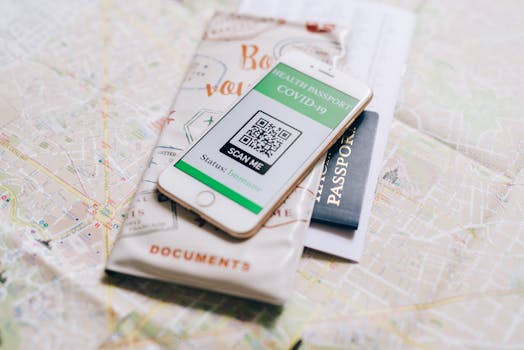
Travelers often ask which countries handled the pandemic best for tourism, hoping for a simple list to follow. A more lasting answer is to learn how to judge a destination's readiness for yourself. Conditions vary by place and time, and a country that looked like a model one year may face different challenges the next. This checklist-style guide shows you what to look for, using lessons from the pandemic period as a frame, without claiming to rank any country.
This is general planning information, not health, legal or financial advice. Always rely on official sources for current rules.
Why preparedness matters beyond the pandemic
The same qualities that made some destinations easier to visit during the pandemic also help when other disruptions occur: storms, strikes, volcanic ash, political unrest or infrastructure failures. A prepared destination tends to have:
- Clear, consistent communication.
- Reliable infrastructure and services.
- A diverse economy and tourism offering.
- Support for visitors who face problems.
- Systems that can adjust quickly.
You cannot measure these precisely, but you can look for signs.
Part one: information quality
Start by judging how easy it is to get trustworthy information.
Checklist:
- Does the government have an official tourism or entry-requirements website in English or your language?
- Is the information dated, and does it appear to be updated?
- Are there clear instructions for visas, forms and health requirements?
- Is there a phone number or email for traveler questions?
- Does your own government publish travel advice for the destination?
If information is scattered, contradictory or only available through unofficial sites, treat that as a warning sign. It may not mean the destination is unsafe, but it suggests extra care in planning.
Part two: entry process
Many places now ask visitors to complete online forms or register before arrival. Use the official site only.
Checklist:
- Is there an online arrival form or electronic travel authorization?
- What does it cost, if anything? Official fees are generally published clearly.
- How long is the permission valid?
- Does your passport need a minimum validity period?
- Are there rules on proof of onward travel or accommodation?
Beware of lookalike websites that charge extra fees for services that are free or cheaper through official channels.
Part three: health infrastructure
Without being alarmist, it is sensible to consider the health services you may rely on.
Checklist:
- Are there hospitals or clinics near where you will be staying?
- Is there a way to reach emergency services, and do you know the number?
- Are any vaccinations or precautions recommended? Check your national health service or a travel clinic.
- Does the destination have a pharmacy network for common medicines?
- Does your travel insurance cover medical care and, if needed, evacuation?
Remote regions can be wonderful, but they may be hours from advanced care. Weigh that against your own needs and risk tolerance. This is general information; consult a medical professional for personal advice.
Part four: flexibility of bookings
One of the clearest lessons from the pandemic was the value of flexibility. Before paying, read the terms.
Checklist:
- Can you cancel accommodation for free, and until when?
- Are flights refundable, changeable or only creditable?
- Do tours and activities offer rescheduling?
- Is there a cancellation protection option, and what does it cover?
- Does your insurance cover cancellations for the reasons you care about?
Pay particular attention to the exceptions in insurance and credit card benefits, which often exclude certain situations.
Part five: transport resilience
How easily you can move around, or leave, matters.
Checklist:
- Are there multiple ways in and out, such as several airports, ferries or train lines?
- Do local transit systems run reliably and frequently?
- If a flight is canceled, how many alternatives exist?
- Are roads in decent condition for the season?
- Do you have a backup plan if a key connection fails?
Island destinations with a single airport may be more vulnerable to disruption than regions with several transport options.
Part six: economic diversity
A destination that depends almost entirely on one type of tourism, or one source market, can be more exposed to shocks. A place that offers beaches, culture, food, nature and city experiences gives you options if one aspect is unavailable.
Signs of diversity:
- A range of accommodation types, from small guesthouses to large hotels.
- Several attractions, not just one famous sight.
- Local businesses beyond tourism, so the region has other income.
This is not a reason to avoid specialized destinations, but it is a reminder to keep alternatives in mind.
Part seven: support for local communities
The pandemic made clear how deeply tourism workers depend on visitors. When you choose a destination, think about how your spending supports locals.
Ways to help:
- Stay in locally owned accommodation where possible.
- Eat at neighborhood restaurants and buy from local markets.
- Book guides and tours from local operators.
- Tip fairly according to local custom.
- Follow local rules and respect communities.
Communities that benefit from tourism often welcome visitors more warmly, and the money helps sustain services that you will enjoy.
Part eight: safety and security basics
Beyond health, consider general safety.
Checklist:
- Check your government's travel advice for the destination and any regional warnings.
- Register with your embassy's traveler program if one exists.
- Keep digital and paper copies of passports, tickets and insurance.
- Share your itinerary with someone you trust.
- Know the location of your embassy or consulate.
These steps cost little but help a lot if something goes wrong.
Part nine: seasonal and event factors
A destination that is well prepared in one season may struggle in another.
- Peak season can strain services and drive up prices.
- Shoulder seasons often offer a good balance of availability and weather.
- Weather events such as monsoons, hurricanes and wildfires affect specific times of year.
- Local festivals and holidays can lead to closures or crowds.
Research the season you plan to visit, not just the destination in general.
Part ten: signals from the ground
Finally, look for recent, trustworthy signals from the destination itself.
- Recent reviews from travelers who visited in the past few weeks.
- Posts from local tourism boards and operators.
- News from reputable local media about transport or services.
- Updates from your accommodation about conditions.
Treat individual reviews with some caution, but patterns across many reviews are informative.
Example: comparing two coastal destinations
Imagine you are choosing between two seaside towns for a summer trip. Both look lovely in photographs, so the checklist helps you decide.
Town A has an official tourism site with a clear page on entry rules, a phone line for visitors and an up-to-date events calendar. It has one small airport, but a train line and a ferry also serve it. There is a clinic in town and a hospital an hour away. The hotels you like offer free cancellation until a few days before arrival.
Town B has beautiful beaches, but the only information you can find is on third-party sites, some of which contradict each other. The single road in is prone to closure in storms, the nearest hospital is far away, and the accommodation is non-refundable.
Neither town is bad, and Town B may still be the right choice if you take extra precautions. But the checklist shows that Town A is easier to plan around, and if you are traveling with young children or elderly relatives, that matters. Whichever you choose, you are now deciding with open eyes.
Documents and kit worth carrying
Preparedness also means what you bring.
- Passport with sufficient validity, plus a photocopy or secure digital copy.
- Insurance details and emergency contact numbers.
- A small first aid kit and any regular medication in original packaging, with a note about it if required.
- A power bank and universal adapter.
- Some local cash for places where cards are not accepted.
- Offline maps and key addresses saved on your phone.
Keep copies in two places, so losing one bag does not leave you stranded.
Putting the checklist to work
Here is a simple way to use all this:
- Choose two or three destinations you are considering.
- Spend ten minutes on each checking the official information, entry process and your government's advice.
- Compare booking flexibility and insurance options.
- Look at transport alternatives and health services.
- Choose the one where you feel most confident, then book flexible options where possible.
You do not need a perfect score. The goal is to avoid surprises and to know your options if plans change.
A short pre-departure routine
In the week before you leave, run through a final routine so nothing catches you out:
- Recheck the official entry requirements and any online forms.
- Confirm flights, accommodation and transfers, and note their contact details.
- Look at the weather and any local alerts for your dates.
- Make sure your insurance is active and that you know how to claim.
- Tell your bank you are traveling if your provider recommends it.
- Download offline maps, translation tools and your tickets.
It takes less than an hour and makes the whole trip calmer.
Frequently asked questions
Is there an official ranking of prepared destinations? There is no single authoritative one. Various organizations publish indexes that measure different things, so check what each index actually measures and when it was published.
Should I avoid destinations with fewer facilities? Not necessarily. Many remote or developing destinations offer rewarding experiences. Just adjust your preparation, such as carrying a first aid kit, buying comprehensive insurance and building extra time into your plans.
How far in advance should I check entry rules? Check when you start planning, again when you book, and once more shortly before departure. Rules can change, sometimes quickly.
What if my destination changes its rules after I book? Contact your airline, accommodation and insurer. Policies differ, and having flexible bookings and documentation makes things easier.
Summary
You do not need a ranking of the best pandemic performers to travel wisely. Instead, you can judge a destination's preparedness by checking the quality of official information, the entry process, health services, booking flexibility, transport options, economic diversity and community benefit. Add basic safety steps and seasonal awareness, and you have a practical picture of how ready a place is. Use official sources, keep your bookings flexible where you can, and you will be well equipped to enjoy a trip even when circumstances shift.