The Nitrogen Hum: Why I’m Trading the Outback for the Isthmus
I remember the exact moment the "Australia is the only place to dive" myth shattered for me. I was 40 meters down in the Great Blue Hole of Belize. The only sound was the rhythmic, metallic hiss-whoosh of my regulator. The water wasn't just blue; it was a deep, bruised indigo that felt heavy against my skin. As I glided between massive limestone stalactites—relics of a dry cave submerged eons ago—a Caribbean Reef Shark cruised past, its eye tracking me with cold curiosity.
The air on the surface smelled of salt-spray and frying conch fritters from a nearby caye. That’s the thing about Central American diving: it’s visceral. It’s raw. For years, the Great Barrier Reef (GBR) was the undisputed heavyweight champion. But lately, the GBR has felt like a weary titan—overcrowded, expensive, and struggling with coral vitality.
When people ask me why Central American diving beating Australia experts are recommending is the headline of the year, I tell them it’s not just about what’s under the water. It’s about the soul of the experience. You aren't just a number on a 100-passenger catamaran; you’re a guest on a wooden panga, diving reefs that feel like they haven't been touched since the Maya kings ruled the coast.
1. The Mesoamerican Majesty: Belize’s Unrivaled Verticality
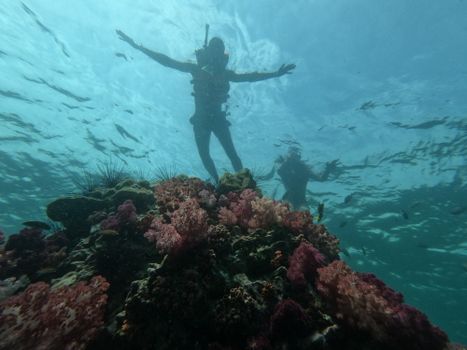
If the Great Barrier Reef is a sprawling garden, the Mesoamerican Barrier Reef—stretching from Mexico to Honduras—is a fortress. Belize is the crown jewel of this system.
While Australia offers vast horizontal expanses, Belize offers terrifyingly beautiful verticality. At sites like Half Moon Caye Wall, the reef doesn't just slope; it vanishes. You hover over an abyss where the reef edge is encrusted with giant barrel sponges and neon-orange gorgonians.
Pro-Tip: Don't just book a day trip to the Blue Hole from San Pedro. It’s a grueling 3-hour bumpy boat ride each way. Instead, stay on Long Caye at Lighthouse Reef. You’ll be 10 minutes from the best dive sites in the country, and you’ll beat the day-tripper crowds by two hours.
2. Honduras: The Global Capital of "Getting Your Fins Wet"
In the dive world, Roatán and Utila are legendary, but for different reasons. Experts are increasingly recommending Honduras over Australia’s Queensland coast for one primary reason: Value without compromise.
In Utila, the vibe is "backpacker-chic" meets "marine biologist obsession." It is arguably the cheapest place on Earth to get PADI certified, but the quality of instruction is elite because the competition is so fierce.
In Roatán, the "Mary’s Place" dive site offers a crevice-filled labyrinth that makes you feel like you’re flying through an underwater Grand Canyon. The coral health here currently outpaces many sections of the GBR, thanks to aggressive local conservation efforts and the Roatán Marine Park’s vigilant patrols.
Pro-Tip: In Utila, head to the "Iron Shore" on the island's north side. Most shops stay in the south for convenience, but the north side offers dramatic volcanic topography and a higher chance of spotting the elusive Whale Shark.
3. The Jurassic Park of the Pacific: Cocos and Coiba
When experts talk about Central American diving beating Australia, they are often pointing toward the "Golden Triangle" of the Pacific: Cocos Island (Costa Rica) and Coiba (Panama).
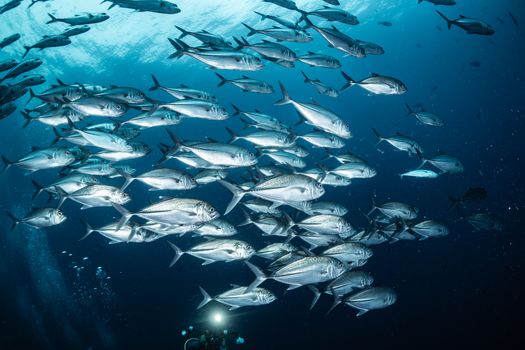
If you want "Big Fish" action, Australia’s Coral Sea is great, but Cocos is legendary. This is a liveaboard-only destination, situated 340 miles offshore. It’s a place where schooling Scalloped Hammerheads block out the sun. It’s rugged, high-current, and not for the faint of heart.
Further south, Panama’s Coiba National Park is the "new" Galapagos. Because it served as a penal colony for decades, the waters were inadvertently protected from overfishing. Today, you can dive with whale sharks, mantas, and white-tip reef sharks in a single submerged volcanic pinnacle.
4. The Biodiversity Density Factor
The sheer density of life in Central America is what's tilting the scales. Because the landmass is a narrow bridge between two oceans, the nutrient exchange is phenomenal.
In the Caribbean waters of Nicaragua’s Corn Islands, you’ll find "The Blowing Rock," a pinnacle rising from the depths that attracts everything from eagle rays to massive green moray eels. In Australia, you might steam for hours to reach a remote outer reef; in Central America, the "house reef" at your eco-lodge often rivals the best sites in the world.
5. Logistics and the "Vibe" Shift
Let’s talk logistics. Reaching the GBR often involves a massive financial commitment and a very "corporate" tourism feel. Central America offers an intimacy that is disappearing elsewhere.
In places like Bocas del Toro, Panama, your "Uber" is a water taxi. You can spend your morning diving a sunken catamaran and your afternoon drinking a $2 cold Balboa beer at a bar built on stilts over the water. The barrier to entry is lower, the culture is richer, and the "surface intervals" involve jungle treks and chocolate tours rather than sterile hotel buffets.
Quick Facts: Central America vs. Australia
| Feature | Central America (Belize/Honduras) | Australia (Great Barrier Reef) | | :--- | :--- | :--- | | Best Time to Visit | March to June (Optimal visibility) | June to October (Winter/Dry season) | | Average Cost (2-Tank) | $80 - $120 USD | $180 - $250 USD | | Primary Draw | Vertical walls, Whale Sharks, Blue Hole | Massive coral gardens, Minke Whales | | Water Temp | 78°F - 84°F (25°C - 29°C) | 72°F - 82°F (22°C - 28°C) | | Vibe | Rugged, authentic, diverse culture | Organized, professional, high-end |
6. The Verdict: Why Experts Are Making the Switch
The consensus among professional dive travel writers and marine photographers is clear: Central America offers a "frontier" feeling that the GBR has lost.
Whether it’s the Cenotes of the Yucatan (technically North America but part of the same geological circuit) or the volcanic seamounts of El Salvador, the region is currently in a "Goldilocks" zone—the infrastructure is modern enough for safety, but the reefs aren't yet "Disney-fied."
When you dive the Mesoamerican reef, you aren't just seeing fish; you’re seeing a resilient ecosystem that is currently being studied for its ability to withstand rising sea temperatures better than its Australian counterpart.
How to Get There & Budgeting
- Flights: Major hubs include Belize City (BZE), Roatán (RTB), and San José (SJO). Use regional carriers like Tropic Air or Maya Island Air for "puddle jumper" thrills.
- Budget:
- Shoestring: $50/day (Utila, Nicaragua).
- Mid-Range: $150/day (Roatán, Belize Cayes).
- Luxury/Liveaboard: $400+/day (Cocos Island, Panama Coiba).
- Entry Requirements: Most Western travelers get 90 days on arrival (CA-4 border agreement covers Honduras, Guatemala, El Salvador, and Nicaragua).
The Final Word: If you want to see the future of diving, look to the West. The experts have already made their move. The question is, will you be on the next boat out of West End, or will you keep waiting for a reef that’s already past its prime?
---