The Day the World Closed Its Doors (And Why You’ll Thank Them)
I stepped off the Shinkansen at Kyoto Station in late April 2026, and for the first time in a decade, I didn't feel the immediate urge to retreat. There was no wall of selfie sticks, no cacophony of megaphones. Instead, I smelled the faint, crisp scent of cedarwood and rain-dampened stone. The air felt... lighter.
That was the month the "Global Access Accord" went into effect. Several of the world's most suffocated landmarks collectively decided that "infinite growth" was a death sentence for their heritage. They didn't just add a small tax; they slammed the gates and moved to a hard-cap, pre-booked permit system.
If you’re planning a trip today, the old "just show up" mentality will leave you stranded at a checkpoint. Here is the definitive breakdown of the destinations that redefined travel in April 2026 and how you can still experience them—if you’re smart enough to plan ahead.
1. Kyoto, Japan: The Gion "Preservation Zone"
For years, the Gion district was a battlefield between disrespectful "paparazzi" tourists and the local geiko community. In April 2026, the city council finally pulled the trigger. The historic core is now a "Permit Only" zone between 10:00 AM and 6:00 PM.
The Experience: Walking through Gion now feels like a scene from a 1920s film. Without the 30,000 daily day-trippers, you can actually hear the click-clack of okobo (wooden sandals) on the basalt streets. The "Preservation Permit" costs roughly $35 and must be booked three months in advance via the official Kyoto Heritage App.
Pro-Tip: The hidden entrance isn't an entrance at all—it's a mindset. If you book a tea ceremony at a registered ochaya (teahouse) within the zone, your permit is automatically included in the price. It’s the ultimate "backdoor" to the district.
2. Venice, Italy: The €25 "Living Museum" Fee
Venice tried the €5 "trial fee" back in 2024, but it did nothing. On April 15, 2026, they launched the "Serenissima Protection Tier." The city now has a hard cap of 40,000 non-overnight visitors per day.
The Experience: The turnstiles at Santa Lucia station are no longer a suggestion. If you don't have a QR code, you don't cross the bridge. But the payoff? St. Mark’s Square at noon is actually navigable. You can admire the Byzantine mosaics without being elbowed by a tour group from a mega-cruise ship.
Pro-Tip: Stay on the island of Burano. Residents and their guests are exempt from the daily cap, and the 6:00 AM vaporetto ride into a quiet Venice is a religious experience.
3. Machu Picchu, Peru: The 1,500-Person Daily Limit
The UNESCO warnings finally hit home. The Peruvian government slashed daily entries from nearly 4,000 to just 1,500. They also eliminated "Circuit 2" (the most popular one) for anyone who hasn't hired a certified local regenerative guide.
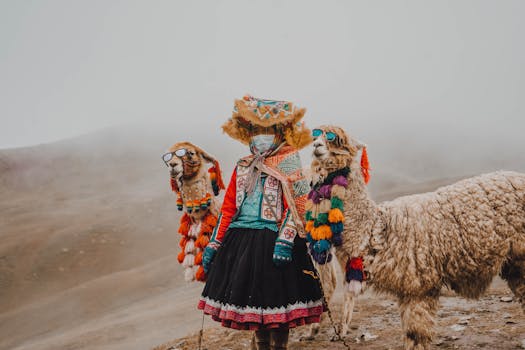
The Experience: It’s silent. The mist rolls over the Huayna Picchu peak, and the only sound is the wind and the occasional llama. It feels like the sacred site it was meant to be, rather than a theme park.
Pro-Tip: Visit during the "shoulder-wet" season in late April. The crowds are even thinner, the grass is neon green, and the new "Cloud Forest" permits are easier to snag than the "Sun Gate" ones.
4. Santorini, Greece: The Cruise Ship Sunset Cap
Oia used to be a mosh pit at sunset. As of April 2026, the municipality restricted cruise ship disembarkations to 3,000 people per day (down from 10,000+). Furthermore, the famous "Blue Dome" walkways now require a timed entry pass between 4:00 PM and 9:00 PM.
The Experience: You can actually take a photo without fifteen other people’s heads in the frame. The local Assyrtiko wine tastes better when you aren't fighting for a seat. The island has returned to its volcanic, rugged roots.
Pro-Tip: Forget the Oia sunset. Head to the village of Pyrgos at 7:00 PM. It’s higher up, has zero capacity limits (for now), and offers a 360-degree view of the caldera that puts Oia to shame.
5. Hallstatt, Austria: The "Quiet Village" Protocol
This tiny lakeside village became the poster child for overtourism. In April 2026, they implemented a "Digital Fence." Tour buses are limited to 10 per day, and cars must have a pre-registered parking permit that costs €80.
The Experience: The "Frozen" vibes are back, but without the "Disney" crowds. You can walk the promenade and actually see the reflection of the Dachstein mountains in the lake instead of a fleet of swan-shaped pedal boats.
Pro-Tip: Arrive by ferry from the Hallstatt Bahnhof side across the lake. The view from the water is the iconic one, and the ferry capacity is the "natural" gatekeeper for the village.
Quick Facts & Logistics Table
| Destination | Permit Required? | Daily Cap | Est. Cost (Access Only) | Best Time to Visit | | :--- | :--- | :--- | :--- | :--- | | Kyoto (Gion) | Yes (Heritage App) | 5,000 (Zone) | $35 | Late Oct / Early April | | Venice | Yes (QR Code) | 40,000 | €25 | May or September | | Machu Picchu | Yes (Gov Portal) | 1,500 | $120 (with guide) | May (Post-Rainy) | | Santorini | Yes (Timed Entry) | 3,000 (Cruise) | €15 (Oia Zone) | Late Sept | | Hallstatt | Yes (Parking/Bus) | 10 Buses | €80 (Parking) | December (Early) |
The New Reality: How to Travel in a Capped World
Traveling in the post-April 2026 era requires a shift in philosophy. We are no longer "consumers" of places; we are "guests."
- The 6-Month Rule: For any of the destinations listed above, your planning must start at least six months out. Permits for Machu Picchu and Venice "High-Impact" days sell out within minutes of release.
- Stay Overnight: Almost every destination with a capacity limit favors overnight guests. By booking a local boutique hotel, you often bypass the "day-tripper" caps and taxes.
- Respect the "No-Photo" Zones: Kyoto and Venice have become very strict. In Gion, taking a photo of a Geisha without a permit can result in a $1,000 fine. They aren't joking.
April 2026 wasn't the end of travel; it was the end of bad travel. By limiting how many of us can be in one place at one time, these cities have preserved their souls. It’s more expensive, it’s harder to book, and it’s infinitely more beautiful.