The Allure of the Exclusive: Why Limited Capacity is the New Luxury in Travel
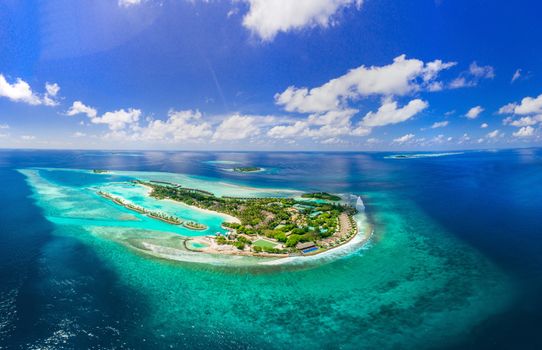
I stepped off the ferry onto the weathered wooden jetty, the scent of salt, damp earth, and something faintly floral – jasmine, perhaps – filling my lungs. The air was hushed, not with emptiness, but with a profound quietude. No chattering tour groups, no selfie sticks obscuring the view. Just the gentle lapping of turquoise water against the shore and the distant cry of a seabird. This wasn't just a destination; it was an experience, curated for a select few, a whispered secret in a world drowning in over-tourism. This is the future, my friends: destinations that are intentionally, and often permanently, limiting their capacity. And this year, more than ever, these hidden gems are emerging, offering a level of authenticity and serenity we thought was lost.
For too long, the travel industry has operated on a model of mass appeal. But the tide is turning. Travelers like us, the ones who crave genuine connection and unforgettable moments, are seeking something different. We’re looking for places that prioritize preservation, sustainability, and an intimate encounter with culture and nature. These are not just "off-the-beaten-path" spots; they are destinations actively managing their visitor numbers to ensure their unique charm, delicate ecosystems, and cultural integrity are preserved for generations to come. And this year, a wave of these extraordinary places are finally revealing themselves, offering a chance to be among the first to experience their magic.
The Rise of the Curated Journey: Why "Less is More" is the New Travel Mantra
It’s a paradox, isn't it? In a world hyper-connected and constantly pushing for accessibility, the ultimate luxury is becoming inaccessibility. But it’s not about being deliberately difficult; it's about being deliberate. These emerging destinations understand that true value lies not in the sheer volume of visitors, but in the quality of the experience.
Why are these places limiting capacity?
- Environmental Preservation: Many are fragile ecosystems – coral reefs, ancient forests, or migratory bird sanctuaries – that can be irrevocably damaged by too many footsteps.
- Cultural Integrity: To protect indigenous communities, traditional ways of life, and sacred sites from the homogenizing effects of mass tourism.
- Enhanced Visitor Experience: To ensure every guest has a personal, unhurried, and deeply immersive encounter with the destination. Think stargazing without light pollution or enjoying a traditional meal without feeling rushed.
- Economic Sustainability: By attracting a smaller number of high-value visitors, these destinations can generate revenue that directly supports conservation efforts and local communities, rather than relying on sheer volume.
This shift means that booking a trip to these places is becoming an act of conscious travel, a commitment to experiencing the world responsibly. It requires planning, research, and often, a willingness to embrace a more intentional pace.
Case Study 1: The Emerald Isles of Isla Perdida – A Sanctuary Reimagined
Imagine a cluster of islands, so verdant they seem to glow from within, where the only residents are a handful of conservationists, local artisans, and a very exclusive group of travelers. Isla Perdida, a name whispered among those in the know, has been a protected marine and terrestrial reserve for decades. This year, they've opened a single, ultra-boutique eco-lodge, offering just six private bungalows.
The "permanently emerging" aspect here is the lodge itself. It's not a new discovery, but a newly accessible, meticulously designed sanctuary that respects the island's delicate balance. My first morning there, I woke to the sound of howler monkeys and the scent of wild orchids. I spent the day snorkeling in crystal-clear waters, spotting sea turtles and iridescent fish, feeling like I had the entire ocean to myself. In the evening, I joined a guided nature walk, learning about the endemic flora and fauna from a passionate biologist. The food? Locally sourced, incredibly fresh, and prepared with a flair that spoke of generations of culinary tradition.
Pro-Tip: Book your bungalow at least 18 months in advance. They operate on a lottery system for peak season dates to ensure fairness.
Quick Facts: Isla Perdida Eco-Lodge
- Estimated Cost ($$$-$$$$): $1,200 - $2,500 per night (all-inclusive, including inter-island transfers)
- Best Time to Visit: Dry season (December to April) for optimal weather and wildlife viewing.
- How to Get There: Fly into the nearest international airport (e.g., San Jose, Costa Rica), then take a private charter flight to a small airstrip, followed by a scenic speedboat transfer.
Case Study 2: The Whispering Peaks of Altan-Ur – Where Ancient Nomads Share Their Secrets
High in the steppes of Mongolia, far from the well-trodden tourist trails, lies Altan-Ur. This isn't a resort; it's a living, breathing nomadic community that has opened its doors to a handful of visitors each season. They are offering an unparalleled opportunity to live amongst them, to learn their traditions, and to experience a way of life that has endured for centuries. The limitation here is not a physical structure, but a deep respect for the community's pace of life and cultural norms.
I spent a week in a traditional ger (yurt), waking to the crisp mountain air and the smell of woodsmoke. My days were filled with learning to milk yaks, ride horses across the vast plains, and participate in the daily rhythms of the family. Evenings were spent around the fire, listening to ancient stories and traditional throat singing. The "permanently emerging" aspect is the structured cultural exchange program they’ve developed, ensuring authentic interaction without disrupting their way of life. They limit groups to a maximum of four people at any time.
Pro-Tip: Learn a few basic Mongolian phrases. Even a simple "Sain baina uu?" (Hello) goes a long way in building rapport. Pack layers – the weather can change dramatically.
Quick Facts: Altan-Ur Nomadic Experience
- Estimated Cost ($$): $300 - $600 per day (includes accommodation, all meals, activities, and guided experiences)
- Best Time to Visit: Summer months (June to August) for milder weather and vibrant green landscapes.
- How to Get There: Fly into Ulaanbaatar, Mongolia. From there, arrange for a private jeep transfer or a domestic flight to a regional town, followed by a further transfer into the Altan-Ur region.
Case Study 3: The Sunken Gardens of Aethelgard – A Submerged Architectural Marvel
This is perhaps the most avant-garde of the emerging destinations. Aethelgard is a visionary project – an underwater city, or rather, an art installation and research facility that has opened limited access for educational and eco-tourism purposes. Think of it as a living museum submerged beneath the waves, powered by renewable energy and dedicated to marine research. Access is strictly controlled due to the delicate engineering and the sensitive marine environment.
My descent into Aethelgard felt like entering another dimension. Through reinforced acrylic domes, I witnessed vibrant coral reefs teeming with life, illuminated by the soft, ambient light of the underwater structures. The architecture itself is breathtaking – organic, flowing forms designed to mimic natural reef structures, providing habitat for marine life. They offer guided tours of the research labs and the living spaces, as well as opportunities for specialized diving expeditions. The "permanently emerging" element is the ongoing research and expansion, meaning each visit offers a glimpse into a constantly evolving underwater world. They limit daily visitors to 50.
Pro-Tip: Book the "Marine Biologist for a Day" package. It's an incredible opportunity to get hands-on with their research. Bring a waterproof camera!
Quick Facts: Aethelgard Underwater Sanctuary
- Estimated Cost ($$$): $800 - $1,500 per day (includes transport to the site, guided tours, and access to facilities)
- Best Time to Visit: Year-round, though visibility can vary. Check their website for optimal marine activity periods.
- How to Get There: Access is typically via specialized submersible or a dedicated research vessel departing from a designated coastal port. Details are provided upon booking.
Case Study 4: The Obsidian Peaks of Volcanis – A Geothermal Wonderland
For the truly adventurous, Volcanis offers a glimpse into the raw power of our planet. This is an active volcanic region that has been meticulously managed to allow for controlled exploration of its geothermal wonders. Think steaming fumaroles, bubbling mud pots, and surreal landscapes shaped by millennia of volcanic activity. Access is limited to protect both visitors and the fragile geothermal features.
I remember the palpable energy of the place – the ground humming beneath my feet, the air thick with the distinct scent of sulfur. Guided by expert geologists, we traversed designated paths, marveling at the vibrant colors of mineral deposits and the sheer force of nature on display. The "permanently emerging" aspect is the continuous geological evolution of the site, with new formations and geothermal features constantly appearing. They offer small-group treks, limited to 10 people per expedition.
Pro-Tip: Wear sturdy, closed-toe hiking boots and bring a bandana to cover your mouth and nose if the sulfurous fumes become strong. Always stay on marked trails.
Quick Facts: Volcanis Geothermal Reserve
- Estimated Cost ($$): $400 - $800 per day (includes guided tours, safety equipment, and park entry)
- Best Time to Visit: Spring and Autumn offer pleasant temperatures for hiking.
- How to Get There: Fly into the nearest major city (e.g., Reykjavik, Iceland, or a similar volcanic hub). Arrange for a specialized 4x4 transfer or a guided tour that includes transport to the Volcanis region.
The Art of the Advance Booking: Navigating Limited Capacity Travel
These destinations aren't for the spontaneous traveler. They demand planning, patience, and a commitment to the experience. Here’s how to navigate this exciting new landscape:
- Start Early: For truly limited capacity spots, booking windows can be 12-24 months out.
- Be Flexible: If your dates aren't available, consider off-season travel or be open to alternative experiences within the destination.
- Join Waiting Lists: Many exclusive properties and experiences have waiting lists. Get on them!
- Follow the Insiders: Keep an eye on niche travel blogs, forums, and social media accounts that focus on sustainable and exclusive travel.
- Consider a Travel Advisor: For complex bookings or highly sought-after destinations, a specialist travel advisor can be invaluable.
The Future is Limited: Embracing the New Era of Travel
As I reflect on my journeys to these extraordinary places, I’m filled with a sense of gratitude. Gratitude for the foresight of those who are protecting these wonders, and gratitude for the opportunity to experience them in a way that feels deeply personal and respectful. The destinations with limited capacity emerging this year are not just places to visit; they are invitations to connect, to learn, and to be inspired. They represent a shift towards a more mindful, more meaningful way of exploring our planet. So, if you're ready to trade the crowds for the profound, start planning. The most extraordinary adventures are waiting, and they’re waiting for you – if you book them in time.
---