The Death of the "Bucket List" Crush
I stepped off the vaporetto at the San Marco Vallaresso stop in Venice at 6:30 AM. Usually, this is the moment you brace for the "stumble"—that physical wall of tourists, selfie sticks, and pigeons. But this time, it was different. The only sound was the rhythmic slap-slap of the brackish lagoon water against the ancient Istrian stone and the distant clink of a porcelain espresso cup from a nearby caffe.
For years, we’ve treated the world’s wonders like all-you-can-eat buffets. But the buffet is closed. In its place? A curated, fine-dining experience. Travel advisors are no longer just booking flights; they are navigating complex lottery systems and permit windows. We are entering the era of "Deep Travel," where limited capacity isn't a barrier—it’s a luxury.
Here are the definitive destinations that limited capacity permanently travel advisors suggest you book immediately.
---
1. Venice, Italy: The City of the Entry Fee
Venice is the poster child for the "Overtourism" rebellion. In 2024, the city officially implemented the Contributo di Accesso (Access Fee). While the fee currently targets day-trippers on specific peak days, travel advisors suggest this is just the beginning of a permanent shift toward a gated-city model.
The Insider Reality: The goal isn't just to collect five euros; it’s to track data. By requiring registration, Venice can finally see the "invisible" crowds. For those of us staying overnight, the "limitation" is a godsend. It filters out the frantic energy of the cruise ship crowds, leaving the calli (streets) to those who actually want to breathe the salt air.
- Pro-Tip: Don't just visit St. Mark’s. Head to the Dorsoduro district at sunset. The light hits the Accademia Bridge in a way that makes the water look like liquid amber.
- The Hidden Entrance: To see the interior of the Basilica without the two-hour line, book an "After Hours" tour. It’s expensive, it’s limited to 20 people, and it’s the only way to see the gold mosaics glow in total silence.
---
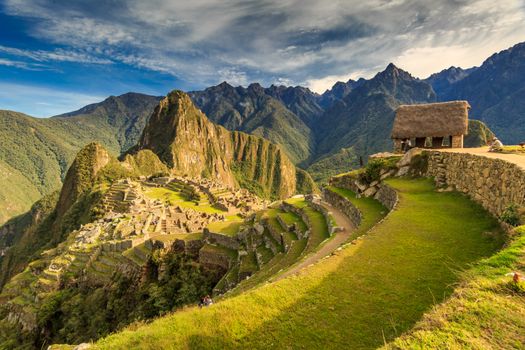
2. Machu Picchu, Peru: The Circuit Masterclass
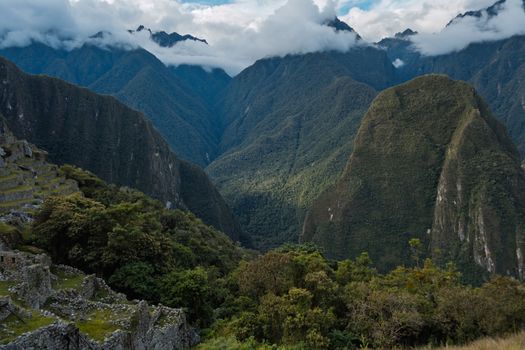
Gone are the days when you could wander aimlessly around the Incan citadel. Today, Machu Picchu is a logistical puzzle. The Ministry of Culture has implemented strict "Circuits." You choose your path, and you cannot backtrack.
Why Advisors Love It: It sounds restrictive, but it has saved the site from literal collapse. By limiting visitors to specific time slots and paths, the "Disney-fication" of the ruins has slowed. You no longer have 500 people standing on the same terrace.
- Pro-Tip: Circuit 2 is the "classic" view you see on postcards. However, if you want the rugged, "explorer" feel, aim for the Huayna Picchu hike (Circuit 4), which is capped at only a few hundred people per day.
- Logistics: You must book at least 4-5 months in advance for peak season (June–August). If you show up in Cusco hoping for a walk-in, you’ll be spending your vacation in a coffee shop instead of the Andes.
---
3. Lord Howe Island, Australia: The 400-Person Rule
If you want to know what the world looked like before we broke it, go to Lord Howe. This tiny crescent in the Tasman Sea has a permanent cap of 400 tourists at any given time. No more, no less.
The Vibe: It’s the ultimate "if you know, you know" destination. There are no cell towers and very few cars. Everyone rides bikes. Because the capacity is so low, the coral reefs are pristine, and the endemic Lord Howe Island Woodhen (a bird once on the brink of extinction) will literally walk over your toes while you eat lunch.
- Pro-Tip: Stay at Capella Lodge. It’s the pinnacle of "barefoot luxury."
- The Insider Secret: Feed the kingfish by hand at Ned’s Beach. Because there are so few humans, the fish aren't skittish; they’re curious.
---
4. Bhutan: The "High Value, Low Volume" Pioneer
Bhutan was "limited capacity" before it was cool. Their Sustainable Development Fee (SDF) is currently $100 USD per person, per night (down from a brief spike of $200). This fee ensures that only those truly committed to the culture and environment visit.
The Experience: Bhutan doesn't feel like a tourist destination; it feels like a kingdom. You won't find a Starbucks or a McDonald's. Instead, you’ll find dzongs (fortress-monasteries) smelling of butter lamps and cypress incense.
- Pro-Tip: Time your visit for the Punakha Tshechu festival. While most tourists flock to Paro, Punakha offers a more visceral, local experience of the masked dances.
- The Food: You haven't lived until you've tried Ema Datshi—a fiery mix of chilies and local cheese. It’s the national dish and will clear your sinuses better than any medicine.
---
5. The Galapagos Islands, Ecuador: The Floating Fortress
You cannot just "backpack" the Galapagos effectively. Every vessel has a fixed itinerary approved by the National Park Service to ensure no single island is overwhelmed.
The Travel Advisor Strategy: We suggest land-based stays in Puerto Ayora combined with day trips, or high-end small-ship cruises (16-20 passengers max). The limits here aren't just about people; they're about biosecurity.
- Pro-Tip: Visit in May. The waters are calming, the blue-footed boobies are beginning their elaborate mating dances, and the crowds are at their annual low.
- The Detail: Look for the "Flightless Cormorant" on Fernandina Island. It’s an evolutionary middle finger to the rules of nature—a bird that forgot how to fly because it had no predators.
---
6. The Wave, Arizona, USA: The Golden Ticket
Located in the Coyote Buttes North area, "The Wave" is perhaps the most exclusive hike on Earth. Only 64 people per day are allowed. 48 of those spots are decided by an online lottery four months in advance; the other 16 are "Daily Lottery" spots for people physically in the area.
The Sensory Experience: Walking through The Wave is like stepping into a Windows screensaver that has come to life. The Navajo Sandstone curves in undulating ribbons of ochre, crimson, and gold. Because there are only 63 other people in a massive desert, you can actually hear the wind whistling through the rock fins.
- Pro-Tip: If you don't win the lottery, don't despair. White Pocket is nearby, requires no permit (yet), and offers equally mind-bending geological formations.
---
Quick Facts: The "Limited" Cheat Sheet
| Destination | Type of Limit | Est. Cost (Daily) | Best Time to Visit | How to Get There | | :--- | :--- | :--- | :--- | :--- | | Venice | Entry Fee/Registration | $150 - $400 | Oct - Nov | Train from Rome/Milan | | Machu Picchu | Timed Circuit Permits | $200 - $500 | May - Sept | Train from Cusco | | Lord Howe Is. | 400-Guest Cap | $400 - $900 | Sept - May | Flight from Sydney/Brisbane | | Bhutan | Daily Sustainable Fee | $350 - $600 | March - May | Drukair via Bangkok/Delhi | | Galapagos | Fixed Ship Itineraries | $500 - $1200 | Dec - June | Flight from Quito/Guayaquil | | The Wave | 64-Person Lottery | $50 - $150 | Oct - April | 4WD from Kanab, UT |
---
Why This Shift is Actually Good for You
As a travel journalist, I’ve seen the "before" and "after." I saw the trash on the trails of Everest Base Camp and the graffiti on the walls of the Colosseum. These permanent capacity limits are an act of love by the local communities.
When a destination limits capacity, the quality of service skyrockets. The waiter has time to explain the wine. The guide can tell you the real history, not the rehearsed script. You aren't a number; you’re a guest.
How to Navigate the "New Normal"
- The 6-Month Rule: For any destination on this list, six months is the minimum lead time.
- Use a Pro: Travel advisors often have access to "held" inventory at hotels that come with pre-arranged permits (especially in Peru and Bhutan).
- Embrace the Off-Season: Capacity limits are usually strictest during "Goldilocks" weather. If you can handle a little rain or a bit of chill, the permit lotteries are much easier to win.
The world is shrinking, not in size, but in accessibility. And honestly? It’s about time. The most beautiful places on Earth deserve a little breathing room—and so do you.
---