The Death of the "Bucket List" Crush
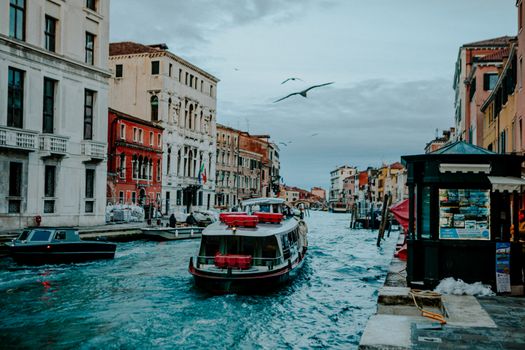
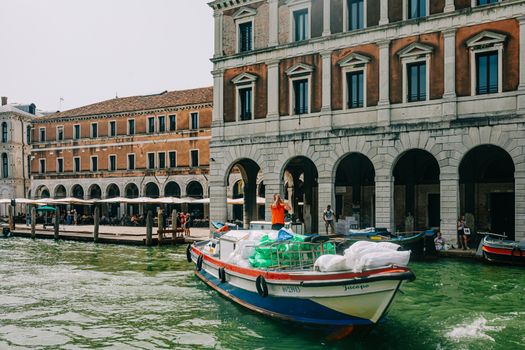
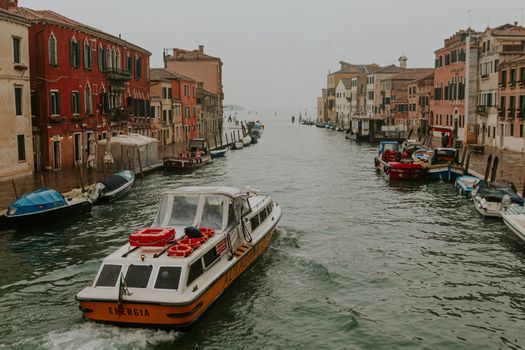
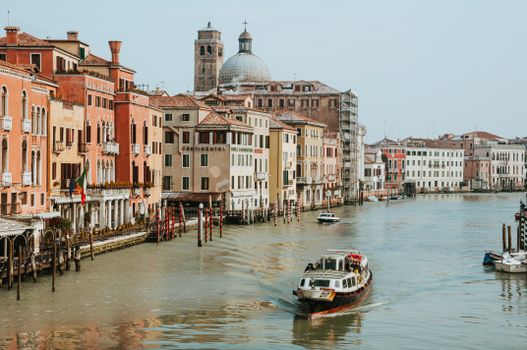
I stepped off the vaporetto at the Rialto stop and, for the first time in a decade, I didn’t feel like a sardine in a tin. Usually, this stretch of Venice smells of damp stone and too much expensive perfume, vibrating with the frantic energy of ten thousand rolling suitcases. But this morning? The air was crisp, carrying the faint scent of roasting espresso from a nearby pasticceria, and the only sound was the rhythmic slap-slap of the green lagoon water against the ancient marble.
The difference wasn't a fluke. It was a policy.
We are officially in the era of "Gate-Kept Travel." The world’s most beloved spots have realized that more isn’t better—it’s fatal. To save their infrastructure and sanity, they’ve pulled the lever on permanent capacity limits. If you’re planning a spring getaway to these trending spots, the old rules don't apply. You don't just book a flight; you win a slot.
Here is your definitive guide to the destinations that limited capacity permanently that are trending this spring.
---
1. Venice, Italy: The €5 Ticket to San Marco
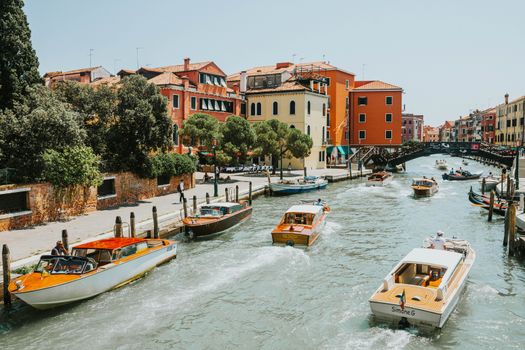
Venice has finally done it. After years of threats, the "City of Bridges" has implemented a permanent entry fee and capacity management system for day-trippers. This spring, the Contributo di Accesso (Access Fee) is no longer a pilot program—it’s the law of the land on peak days.
The Reality Check: If you aren't staying overnight in a registered hotel, you must book your entry online and carry a QR code. The city is targeting the "hit-and-run" tourists who clog the calli without contributing to the local economy.
Pro-Tip: Don't just stick to the San Marco-Rialto axis. Head to the Cannaregio district at 6:00 PM. The light hits the Fondamenta della Misericordia in a way that makes the orange spritzes look like liquid gold. Grab a cicchetto (Venetian tapas) at All’Arco—but get there by 11:00 AM because they close when the fresh seafood runs out.
---
2. Athens, Greece: Capping the Cradle of Democracy
The Acropolis was drowning. In 2023, the heatwaves and the 23,000 daily visitors created a dangerous cocktail. Now, the Greek Ministry of Culture has permanently capped visitors at 20,000 per day with a strict hourly slot system.
The Reality Check: If you show up at noon without a pre-booked time, you’ll be staring at the Parthenon from a dusty fence a mile away. The slots for April and May are already filling up as travelers seek that perfect Mediterranean spring warmth before the July "Lucifer" heatwaves arrive.
Pro-Tip: Book the 8:00 AM slot. Not just for the light, but because the "cruise ship swarm" usually hits at 10:30 AM. Enter via the South Slope entrance (near the Acropolis Museum) rather than the main western gate. It’s a steeper climb but passes the Theater of Dionysus and has half the queue.
---
3. Mount Fuji, Japan: The Toll on the Trail
Japan’s iconic volcano has become a victim of its own Instagram fame. This spring, the Yamanashi regional government has introduced a permanent daily cap of 4,000 hikers on the popular Yoshida Trail, alongside a mandatory 2,000 yen ($13) climbing fee.
The Reality Check: The "bullet climbing" (rushing to the summit for sunrise without sleep) is being banned to prevent accidents. This has made the mountain a more prestigious, quiet experience for those who plan ahead.
Pro-Tip: Instead of fighting for the summit, stay in Fujiyoshida. Visit the Chureito Pagoda at dawn. Most tourists leave by 9:00 AM. If you want the "secret" shot, head to the Shimoyoshida Honcho Street, but be respectful—the locals have recently installed barriers to stop tourists from blocking traffic for photos.
---
4. Marseille, France: The QR Code to Paradise
The Calanques National Park is a jagged, limestone masterpiece of turquoise inlets. But the Calanque de Sugiton was being eroded into oblivion. Now, during the spring and summer months, you need a free—but strictly limited—reservation to even step onto the trail.
The Reality Check: Only 400 people per day are allowed. The park rangers check QR codes at the trailhead. No code, no swim.
Pro-Tip: The reservations open exactly 7 days in advance at 9:00 AM local time. They vanish in minutes. While everyone fights for Sugiton, take a boat to the Frioul Islands. The water is just as blue, the history (Count of Monte Cristo vibes) is richer, and the capacity is managed by the ferry schedule, not a lottery.
---
5. Machu Picchu, Peru: The Circuit Chess Match
The days of wandering aimlessly through the Incan citadel are over. Machu Picchu now operates on a permanent "Circuit" system. You must choose from five different routes, and once you’re on one, you cannot backtrack.
The Reality Check: Circuit 2 is the "classic" postcard view. It sells out months in advance for the spring season. If you want to climb Huayna Picchu, you need to book that specific permit at least four months out.
Pro-Tip: If the main site is booked, look into the Choquequirao trek. It’s often called the "sister city" of Machu Picchu, sees about 20 people a day, and has no permanent cap—yet. It’s a grueling hike, but the reward is total solitude in an Incan ruin.
---
Logistics & Quick Facts: Spring 2024
| Destination | Capacity Limit | Best Way to Get There | Est. Daily Cost ($) | | :--- | :--- | :--- | :--- | | Venice | Variable (QR Check) | Train to Venezia S. Lucia | $150 - $300 | | Athens | 20,000/day | Metro Line 2 to Akropoli | $80 - $180 | | Mt. Fuji | 4,000/day | Fuji Excursion Train from Tokyo | $100 - $200 | | Marseille | 400/day (Sugiton) | RTM Bus 21 from Marseille | $60 - $120 | | Machu Picchu | ~4,500/day | Perurail from Cusco | $250 - $500 |
---
6. The New Etiquette: How to Travel in the "Capped" Era
Traveling to a destination with limited capacity isn't just about the logistics; it's about a shift in mindset. You are no longer a consumer of a space; you are a temporary steward.
- The "Anti-Peak" Strategy: If a site caps at 20,000, aim to be the 1st or the 19,999th. The "shoulder" of the day (early morning or late afternoon) is where the magic—and the lack of crowds—lives.
- The 15-Minute Rule: When you get to a capped site, put your phone away for the first 15 minutes. Watch how the light hits the stone. Smell the wild sage in the Athenian air. You fought for this permit; don't experience it through a 6-inch screen.
- Local Over Luxury: In Venice, skip the "tourist menu" restaurants with pictures of lasagna. Look for the places where the menu is scrawled in pen on a piece of cardboard. If you see a group of older men shouting over cards and drinking small glasses of wine (ombra), you’ve found the right spot.
Why This Trend is Actually Good for You
You might think these limits are a hassle. They aren't. They are a gift. By limiting capacity, these destinations are ensuring that when you do get in, you actually see the place, not the back of a stranger's head. You get the silence of the Calanques, the majesty of the Parthenon, and the authentic spirit of a Venice that was almost lost to the tide of overtourism.
This spring, don't just go. Plan. Book. And then, finally, breathe.
---