Driving in the UK offers a fantastic opportunity to explore its diverse landscapes, from historic cities and charming villages to rugged coastlines and dramatic mountains. With a well-planned itinerary, a road trip allows for flexibility and discovery, letting you experience the country at your own pace. This guide provides practical advice for visitors planning to drive in the UK, covering everything from road rules to scenic routes.
Driving on the Left: The First Rule
The most significant difference for many international visitors is that traffic in the UK drives on the left-hand side of the road. This means the driver's seat is on the right side of the vehicle, and you will be overtaking on the right. While it might feel counter-intuitive at first, most drivers adjust quickly. Pay particular attention at junctions and roundabouts, ensuring you always turn into the correct lane and give way to traffic approaching from your right. Take your time, especially in the first few hours of driving, and consider practicing in quieter areas before heading onto busier roads.
Understanding UK Roads
The UK has a comprehensive road network, ranging from multi-lane motorways to narrow country lanes. Understanding the different types of roads will help you navigate safely and efficiently.
Motorways (M-roads)
Motorways are the primary arteries connecting major cities and regions across the UK. These are multi-lane, usually dual-carriageway roads designed for higher speeds. They are generally well-maintained and offer the quickest way to cover long distances. Some motorways, particularly around major urban areas, use "Smart Motorway" systems, which can involve variable speed limits displayed on overhead gantries and the temporary use of the hard shoulder as a running lane during peak times. Always observe the signs and signals on motorways.
A-roads and B-roads
A-roads are main routes that often connect towns and cities not served by motorways. They can be single or dual carriageway and vary in quality and traffic density. B-roads are smaller, local roads, typically single carriageway, that wind through villages and more rural areas. While slower, B-roads often offer more scenic routes and a chance to experience local life.
Rural and Countryside Roads
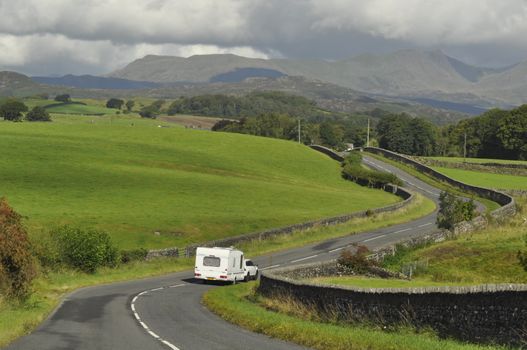
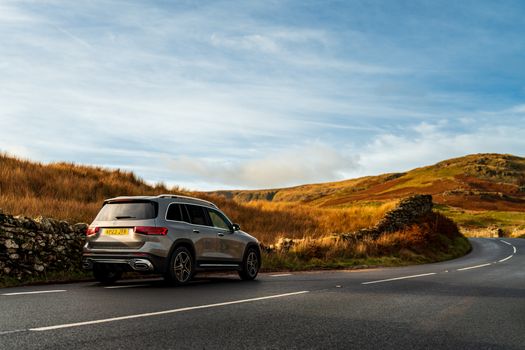
Venturing into the countryside will introduce you to narrower, often winding roads, frequently bordered by hedges, dry stone walls, or verges. In remote areas, especially parts of Scotland, Wales, and the West Country, you might encounter single-track roads with designated passing places. Always be prepared to slow down, pull over, and be courteous to oncoming traffic or faster vehicles behind you. Keep an eye out for local wildlife, farm animals, and agricultural vehicles, which can appear unexpectedly.
City Driving
Driving in UK cities can be challenging due to congestion, complex one-way systems, and limited parking. Many major cities, including London, operate Low Emission Zones (LEZ) and Ultra Low Emission Zones (ULEZ) to reduce air pollution, and some have a Congestion Charge. Vehicles that do not meet specific emission standards or enter during certain hours may incur charges. It is crucial to check the requirements for any city you plan to drive through or into on the official government websites before your trip. Consider using public transport or Park & Ride facilities when visiting city centres.
Car Hire and Vehicle Preparation
Hiring a car in the UK is straightforward for most visitors, but a few considerations will help ensure a smooth experience.
Most rental cars in the UK are right-hand drive, as expected. While automatic transmission vehicles are available, manual (stick shift) cars are still very common and often more affordable. If you are not comfortable driving a manual, be sure to specifically request an automatic when booking. We recommend booking your rental car well in advance, especially if you have specific requirements or are travelling during peak season.
When collecting your vehicle, thoroughly inspect it for any existing damage and ensure it is noted on your rental agreement. Familiarise yourself with the car's controls, especially the indicator and wiper stalks, which might be on opposite sides compared to what you are used to. Ensure you understand the fuel type required for the vehicle.
Regarding driving licences and permits, rules can change. We advise all visitors to check the official UK government website for the most up-to-date information on driving licence requirements for international visitors before travelling.
Parking, Tolls, and Fuel
Understanding these practical aspects of driving in the UK will help you budget and plan your journey effectively.
Parking in Cities
Parking in UK cities can be expensive and difficult to find. Multi-storey car parks are common, but rates can be high, especially in central areas. On-street parking often involves "pay and display" machines or mobile phone apps, with strict time limits and operating hours. Always read signs carefully to avoid fines or having your vehicle towed. For major cities, using Park & Ride schemes, where you park on the outskirts and take public transport into the centre, is often a more convenient and cost-effective option.
Tolls and Charges
Traditional road tolls are not widespread in the UK but do exist on certain routes, such as the M6 Toll in the Midlands and some bridges and tunnels (e.g., the Dartford Crossing near London, Mersey Tunnels). Payment methods vary, from cash booths to online payments or automatic number plate recognition (ANPR) systems.
Beyond traditional tolls, several cities operate charges for driving within specific zones. The most notable are the London Congestion Charge, the Ultra Low Emission Zone (ULEZ), and Low Emission Zones (LEZ) in various cities. These are not tolls for road use but charges designed to manage traffic or improve air quality. It is essential to understand if your route takes you through one of these zones and how to pay any applicable charges, as failure to do so can result in significant fines. Always check the official government or city council websites for details on these charges and payment methods.
Fuel and Charging
Petrol (gasoline) and Diesel are widely available at service stations across the country. Fuel prices can vary significantly between regions and service stations, and they are generally higher than in some other countries. Look for signs indicating "Unleaded" for petrol and "Diesel."
For electric vehicle (EV) drivers, the charging infrastructure in the UK is expanding rapidly, with a growing number of public charging points. Planning your charging stops in advance is advisable, especially for longer journeys or when travelling to more remote areas. Various apps and websites can help you locate compatible charging stations along your route. Many service stations now offer rapid charging options.
Iconic Scenic Drives
The UK boasts an array of stunning landscapes, perfect for exploration by car. Here are a few renowned scenic drives that showcase the country's natural beauty:
- North Coast 500 (NC500), Scotland: A spectacular circular route around the northern Highlands, offering dramatic coastal scenery, remote beaches, and rugged mountains. Allow about 5-7 days to fully appreciate it.
- A82 through Glencoe, Scotland: This road cuts through the majestic Glencoe valley, famous for its towering peaks and historic significance. It's a truly awe-inspiring stretch of road.
- Snowdonia National Park, Wales: Routes like the A4086 and A498 offer incredible views of Wales' highest mountains and glacial valleys. The A4069, known as the Black Mountain Pass, provides exhilarating twists and turns with expansive vistas in the Brecon Beacons.
- The Lake District, England: Winding roads like the Honister Pass and Kirkstone Pass offer challenging but rewarding drives through England's largest national park, revealing stunning lakes and fells.
- The Cotswolds, England: Explore the charming villages and rolling hills of this Area of Outstanding Natural Beauty by following the many picturesque B-roads that connect places like Bourton-on-the-Water, Bibury, and Broadway.
- Coastal Roads of Cornwall and Devon, England: Drive along the South West Coast Path, with roads offering dramatic clifftop views, sandy coves, and quaint fishing villages.
Essential Driving Tips for Visitors
- Check Official Sources: Before your trip, always consult the official UK government website for the latest information on driving laws, required documentation (like your driving licence or any necessary permits), and any mandatory vehicle equipment. Rules can change, so staying informed is key.
- Allow Extra Time: Journeys can often take longer than anticipated due to traffic, narrow roads, or simply wanting to stop and admire the view. Build in buffer time for a relaxed trip.
- Weather Awareness: UK weather can be unpredictable. Be prepared for rain, fog, or even snow in winter, especially in mountainous regions. Adjust your driving accordingly.
- Road Signs: Familiarise yourself with common UK road signs. While many are international symbols, some may be unique.
- Roundabout Rules: Always give way to traffic already on the roundabout, approaching from your right. Signal clearly when entering and exiting.
Frequently asked questions
Is it difficult to drive on the left?
For drivers accustomed to right-hand traffic, adjusting to driving on the left can take some time. The main challenges are usually at junctions and roundabouts, and getting used to the different perspective in the car. Most drivers find they adapt quickly, especially with a few hours of practice on quieter roads.
How much does it cost to hire a car in the UK?
Car hire costs in the UK vary significantly based on the vehicle type, rental duration, time of year, and insurance coverage chosen. Budget for a daily rate, plus the cost of fuel or charging, and potential additional charges like tolls or city emission zone fees. Booking in advance can often secure better rates.
What should I do if I encounter a single-track road?
On single-track roads, you will find designated "passing places" marked by signs. If you see an oncoming vehicle, or a faster vehicle behind you, pull into the nearest passing place on your left (if safe) to allow others to pass. Be courteous and patient, and use passing places to your advantage.
Are there many speed cameras in the UK?
The UK uses various types of speed cameras, including fixed cameras, mobile units, and average speed cameras, to enforce speed limits. These are often clearly signposted. It is important to always adhere to the posted speed limits, which can vary depending on the road type and area.