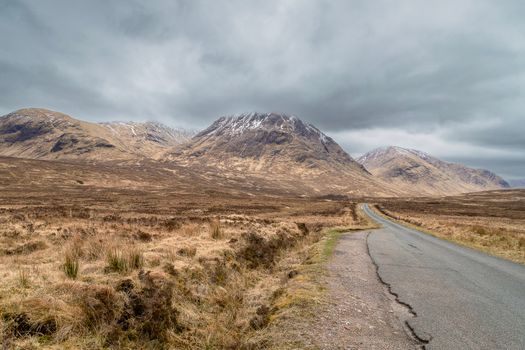
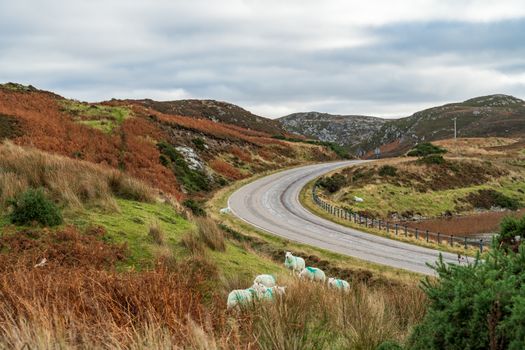
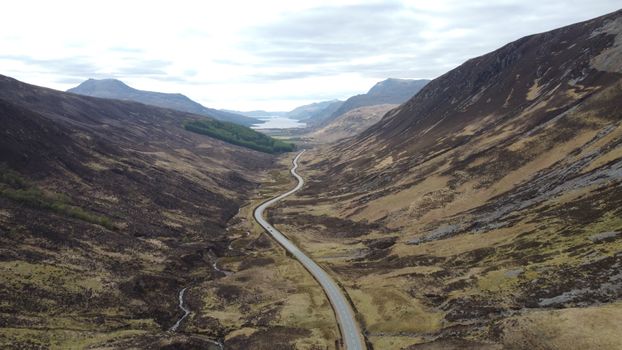
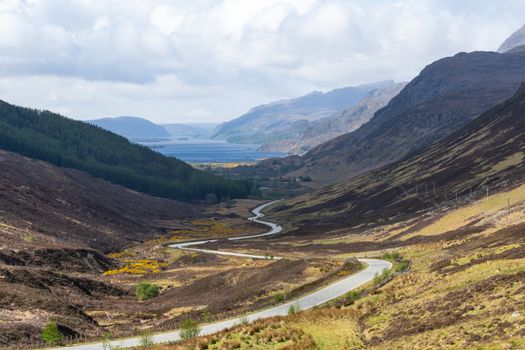
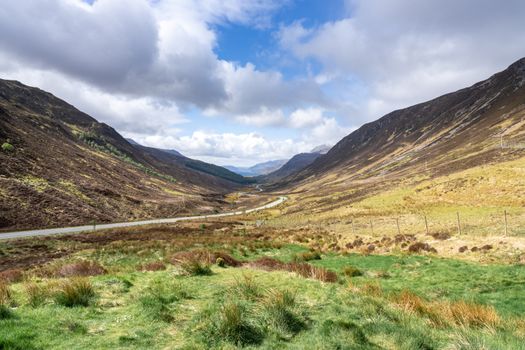
A classic Scottish Highlands road trip covers roughly 800 to 1,000 kilometres (500 to 620 miles) and is best experienced over six to seven days. This timeframe provides enough room to take in dramatic mountain passes, historic ruins, and coastal scenery without spending every waking hour behind the wheel.
Where to start and finish
We recommend starting and finishing your Highland journey in either Edinburgh or Glasgow. Both cities feature international airports, major rail hubs, and a large concentration of car rental agencies.
Starting in the central belt allows you to ease into the drive on modern dual carriageways before transitioning into the narrower routes of the north. Glasgow offers the quickest access to the western Highlands and Loch Lomond, while Edinburgh provides an easy run north across the Queensferry Crossing toward Perth and the Cairngorms. If you prefer a circular route that avoids backtracking, starting in one city and finishing in the other is often possible with major rental providers for a modest one-way fee.
Travellers with limited time can also consider Inverness as a starting base. Inverness Airport offers direct flights to several UK and European hubs, placing you immediately at the northern gateway of the Highlands.
Suggested 6-day Scottish Highlands itinerary
This classic circular route focuses on the western Highlands, the Isle of Skye, and the central mountain corridor.
Day 1: Edinburgh or Glasgow to Fort William via Glen Coe
- Driving distance: Roughly 200 km (125 miles)
- Approximate driving time: 3.5 to 4 hours
Leave the city behind and head north on the A82 along the western banks of Loch Lomond. Stop briefly at the village of Luss to admire views over the loch. As the road climbs onto Rannoch Moor, the landscape shifts into vast expanses of peat bog and open moorland.
Continue west through the dramatic mountain pass of Glen Coe, flanked by steep ridges like the Three Sisters and Buachaille Etive Mòr. Visit the Glen Coe Visitor Centre to learn about the geological origins of the glen and the 1692 massacre. Finish the day in Fort William, situated at the base of Ben Nevis, Britain’s highest peak.
Day 2: Fort William to the Isle of Skye
- Driving distance: Roughly 160 km (100 miles)
- Approximate driving time: 3 to 4 hours (plus ferry transit)
Follow the Road to the Isles (A830) west toward Glenfinnan. Stop at the Glenfinnan Monument and view the Glenfinnan Viaduct, an impressive rail bridge built in the late nineteenth century.
From the port of Mallaig, catch the vehicle ferry across the Sound of Sleat to Armadale on the southern tip of the Isle of Skye. Alternatively, stay on the mainland via the A82 and A87 to cross the Skye Bridge at Kyle of Lochalsh, stopping at the historic mainland fortress of Eilean Donan Castle along the way. Settle into Portree, the colourful harbour capital of Skye, for two nights.
Day 3: Exploring the Isle of Skye
- Driving distance: Roughly 120 km (75 miles)
- Approximate driving time: 3 hours
Dedicate this full day to the Trotternish Peninsula in the north of the island. Follow the loop road past the Old Man of Storr, an iconic stone pillar overlooking the Sound of Raasay. Continue north to Kilt Rock to watch Mealt Falls plunge directly into the sea.
Further along, explore the Quiraing, a spectacular geological landslip featuring dramatic cliffs and pinnacles. Complete the circuit through Uig and back toward Portree. Roads on northern Skye are narrow and winding, so plan for a slower pace than the mainland.
Day 4: Isle of Skye to Gairloch or Ullapool
- Driving distance: Roughly 180 to 220 km (110 to 135 miles)
- Approximate driving time: 3.5 to 4.5 hours
Depart Skye via the Skye Bridge and head north toward the rugged coast of Wester Ross along the A890 and A896. Confident drivers can tackle the Bealach na Bà, a steep, winding mountain pass that climbs to over 600 metres (2,053 feet) above sea level on the Applecross Peninsula, though the low-level coastal alternative via Glen Carron is safer in bad weather.
Drive along the shores of Loch Maree, framed by the peaks of the Beinn Eighe National Nature Reserve. Conclude your day either in the coastal village of Gairloch or further north in the fishing port of Ullapool on Loch Broom.
Day 5: Ullapool to Inverness via Loch Ness
- Driving distance: Roughly 150 km (95 miles)
- Approximate driving time: 2.5 to 3 hours
Head southeast on the A835, stopping at Corrieshalloch Gorge to walk across the suspension bridge above the Falls of Measach. Continue toward the Great Glen, branching south on the A82 along the western shore of Loch Ness.
Stop at Urquhart Castle, which occupies a rocky headland jutting out into the deep waters of the loch. From here, make the short drive northeast into Inverness, the cultural capital of the Highlands, to explore the riverfront and historic centre.
Day 6: Inverness to Edinburgh or Glasgow via the Cairngorms
- Driving distance: Roughly 250 km (155 miles)
- Approximate driving time: 3.5 to 4 hours
Begin the morning just east of Inverness at Culloden Battlefield, the site of the final confrontation of the 1745 Jacobite Rising. From Culloden, travel south on the A9 through Cairngorms National Park, the largest national park in the United Kingdom.
Break your journey in Aviemore or Pitlochry, both known for easy access to pine forests, woodland walks, and Highland distilleries. Pass near the white exterior of Blair Castle before continuing south past Perth and returning your vehicle in Edinburgh or Glasgow.
Shorter and longer route alternatives
We design itineraries around flexible travel windows. You can adjust the core route depending on how much time you have available.
The 4-day express loop
If you only have four days, skip the Isle of Skye and the northern coastline. Drive from Glasgow or Edinburgh to Fort William via Glen Coe on day one. On day two, travel through the Great Glen past Loch Ness to Inverness. Spend day three exploring the Cairngorms National Park around Aviemore. On day four, return south to your starting city via Pitlochry.
The 10 to 12-day grand loop
Travellers with ten days or more can combine our core itinerary with sections of the North Coast 500. After reaching Ullapool, continue along the northern coast through Durness, Thurso, and John o' Groats before descending through Dunrobin Castle and Dornoch down to Inverness. This extended route covers the dramatic sea cliffs and remote beaches of Sutherland and Caithness.
Best time of year for a Highlands road trip
The Scottish Highlands experience changeable maritime weather year-round, but each season brings distinct travel conditions.
- May and June: This is often the best window for a road trip. These months typically offer the lowest rainfall averages, daylight that lasts until 10:00 PM or later, and lower concentrations of biting midges.
- July and August: Midsummer brings the warmest temperatures, but it also coincides with peak tourist traffic, higher lodging rates, and dense populations of the Highland midge. Advance reservations for ferries and accommodation are essential.
- September and October: Autumn brings golden foliage to the glens, fewer crowds, and the red deer rutting season. Daylight begins to shorten significantly by late October.
- November to April: Winter travel features snow-capped peaks and quiet roads, but many seasonal attractions and rural restaurants close. Mountain passes like the Bealach na Bà can become impassable due to ice and snow.
Road conditions and driving advice
Driving in the Highlands is rewarding, but rural roads require careful attention and specific etiquette.
Single-track roads
Many roads on Skye and across the northwest coast are single-track routes wide enough for only one vehicle, featuring designated "passing places" every few hundred metres. Follow these key conventions:
- Pull into passing places on your left. If the passing place is on your right, pause parallel to it on your side of the road to let oncoming traffic pass.
- Never park inside a passing place to take photos or leave your vehicle unattended.
- If a car approaches from behind at a faster pace, pull into the next passing place on your left to let them overtake.
Wildlife and weather hazards
Red deer, Highland cattle, and free-roaming sheep regularly graze along unfenced roads. Exercise extra caution at dawn and dusk when deer frequently cross carriageways. Fog, heavy rain, and sudden wind gusts are common in mountain passes, so slow down and maintain generous stopping distances.
Always review current driving regulations, speed limits, and alcohol limits through official UK government resources before your trip, as Scotland enforces stricter blood-alcohol limits than England and Wales.
Practical tips for planning
- Reserve accommodations well in advance: Small Highland towns like Portree, Ullapool, and Fort William have limited hotel and bed-and-breakfast capacity that often sells out months ahead for summer dates.
- Book your ferries early: If you plan to take the vehicle ferry from Mallaig to Armadale on Skye, purchase a vehicle ticket through the official ferry operator in advance, particularly in peak season.
- Monitor fuel and charging levels: Fuel stations can be far apart in the northwest Highlands, and many close early in the evening. Top up your tank or battery when you reach major hubs like Fort William, Portree, or Ullapool.
- Pack for four seasons: Pack sturdy waterproof jackets, reliable walking shoes, and clothing layers even in the middle of summer. Bring an effective insect repellent containing DEET or picaridin to guard against midges between June and August.
Frequently asked questions
How many days do you need for a Scottish Highlands road trip?
We recommend spending at least five to seven days to cover the main highlights of Glen Coe, the Isle of Skye, and the Cairngorms without excessive driving. A shorter four-day trip allows for a direct loop between Fort William and Inverness, while ten to twelve days lets you explore the remote northern coastline.
Is driving in the Scottish Highlands difficult?
Highland driving is straightforward on primary routes like the A82 and A9, which are wide and well-marked. Roads become narrower and more challenging in the far west and on the Isle of Skye, where single-track lanes require patience and an understanding of passing-place etiquette.
Which side of the road do you drive on in Scotland?
Vehicles drive on the left-hand side of the road throughout the United Kingdom. Drivers from countries that travel on the right should take extra care when exiting junctions, navigating roundabouts, and using single-track roads.