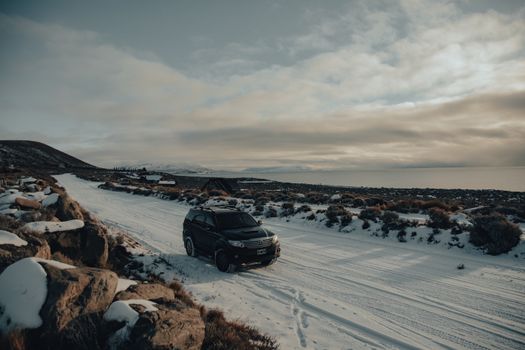
January is one of the most varied months of the year for a driving vacation, dividing the world into midsummer warmth, quiet low-season routes, and crisp winter landscapes. Depending on the route you choose, a typical January road trip can span anywhere from a long weekend of roughly 250 km (160 miles) over 3 to 4 days, up to an extended regional route of 1,000 km (620 miles) or more over 7 to 10 days. Selecting the right trip comes down to whether you prefer warm coastal sunshine, desert terrain with mild afternoons, or peaceful off-season city-to-city links.
Scenic coastal drives for January
Coastal road trips in January fall into two broad camps: high-summer routes in the southern hemisphere with long daylight hours, and subtropical routes in the northern hemisphere where ocean air remains mild.
The Overseas Highway, Florida, USA
- Distance: roughly 260 km / 160 miles (one way from Miami to Key West)
- Recommended duration: 3 to 5 days
The drive across the Florida Keys along US Route 1 carries drivers over 42 bridges, connecting coral cays and ocean flats. January brings some of the most stable weather of the year to southern Florida, with daytime temperatures that are typically warm and comfortable, and lower humidity than in summer.
Traffic can be dense on single-lane stretches, particularly around weekends and holiday periods. Daylight remains fairly generous, usually giving you around ten to eleven hours of usable light each day. Stops at places like Key Largo, Islamorada, and Marathon provide opportunities for boat charters, snorkeling over shallow reefs, and waterside dining before ending in historic Key West.
The Great Ocean Road, Victoria, Australia
- Distance: roughly 240 km / 150 miles (Torquay to Allansford)
- Recommended duration: 3 to 4 days
January represents peak midsummer along Australia's southern coast. Running southwest from Melbourne, the Great Ocean Road traces cliffs, temperate rainforest pockets, and coastal surf breaks. Daylight lasts late into the evening, often until after 8:30 pm, leaving long windows for exploring landmarks such as the Twelve Apostles, Loch Ard Gorge, and Great Otway National Park.
Because January coincides with Australian summer school holidays, popular seaside towns like Lorne and Apollo Bay are busy, and accommodations fill up quickly. Summer heat can occasionally produce very hot days, so check local bushfire warnings and park access status with official state emergency and forestry services before heading out.
Desert landscapes and winter national parks
Summer brings extreme heat to desert regions, making winter the prime season to explore them by car. Clear skies, cool mornings, and manageable afternoon temperatures define these routes.
Southern California Desert Circuit, USA
- Distance: roughly 800 km / 500 miles (loop from Los Angeles or Palm Springs)
- Recommended duration: 5 to 7 days
A circuit linking Joshua Tree National Park, the Coachella Valley, and the Mojave National Preserve provides stark geological scenery without the dangerous summer temperatures. Days are typically sunny and crisp, though overnight temperatures in the high desert often dip near or below freezing.
Winter daylight is short in January, with sunset typically around 5:00 pm, so planning drives to conclude before dark is advisable. Keep in mind that higher elevations can occasionally receive brief winter dustings of snow. Check with the National Park Service for seasonal facility hours and campsite availability, as winter is high season for desert recreation.
Arizona Sun and Red Rocks Route, USA
- Distance: roughly 650 km / 400 miles (Phoenix to Tucson and Sedona)
- Recommended duration: 5 to 6 days
Connecting the Sonoran Desert in the south with the red sandstone bluffs of northern Arizona creates a varied itinerary. Starting in Phoenix or Tucson allows you to explore saguaro cactus forests under mild daytime skies. Heading north through the Verde Valley brings you into Sedona and the edge of the Colorado Plateau.
While Tucson and Phoenix remain comfortable in January, Sedona sits at higher elevation and can experience cold nights and occasional winter snowfall, which can temporarily affect driving conditions on winding canyon passes. Official state transport departments provide live road status and traction advisories during cold fronts.
City-to-city cultural routes
If you prefer historic architecture, museums, and regional cuisine over wilderness driving, January offers low-season benefits in select temperate regions: fewer crowds, lower lodging rates, and an easy pace.
The Andalusia Triangle, Southern Spain
- Distance: roughly 600 km / 370 miles (Seville, Cordoba, Granada, and Ronda)
- Recommended duration: 6 to 8 days
Southern Spain experiences one of the mildest winters in mainland Europe. A loop starting and ending in Seville allows you to visit the Mosque-Cathedral of Cordoba, the Alhambra in Granada, and the dramatic gorge at Ronda without the severe summer heat that characterizes this region in July and August.
Daytime conditions are typically crisp and sunny, though rain is possible and evenings are cool. Driving across the plains between Seville and Cordoba is straightforward on well-maintained motorways. However, Granada sits at the foot of the Sierra Nevada mountains, where temperatures drop considerably and winter driving regulations may apply on mountain access roads. Check official Spanish traffic authorities (DGT) for real-time mountain passes.
Sydney to Melbourne Coastal Drive, Australia
- Distance: roughly 1,050 km / 650 miles
- Recommended duration: 6 to 8 days
Connecting Australia's two largest cities via the Princes Highway avoids the inland commercial corridor in favor of coastal lakes, oyster farms, and national parks. Route highlights include Jervis Bay, the sapphire waters of Merimbula, and the wilderness of Croajingolong National Park.
Conditions are typically warm and summery, with ocean swimming readily available along the path. Allow extra driving time because winding coastal roads slow average speeds, and summer domestic holiday traffic can cause bottlenecks near coastal river crossings.
Quieter roads and temperate escapes
For drivers who want wide-open terrain and minimal traffic, January is ideal for touring regions that experience quiet intermediate seasons.
Texas Hill Country, USA
- Distance: roughly 450 km / 280 miles (loop from Austin or San Antonio)
- Recommended duration: 3 to 4 days
The limestone hills, river valleys, and historic German-settled towns west of Austin offer relaxed driving along quiet two-lane back roads. Stops in places like Fredericksburg, Luckenbach, and Kerrville feature historic main streets, local barbecue, and quiet state parks.
Weather is generally cool and dry, with average highs often reaching comfortable levels for walking and outdoor meals. Cold snaps can bring freezing rain on rare occasions, which can cause elevated bridges to ice over. Monitoring local meteorological services will alert you to brief freezes.
North Island Thermal Byway, New Zealand
- Distance: roughly 500 km / 310 miles (Auckland to Rotorua, Taupo, and Napier)
- Recommended duration: 5 to 6 days
New Zealand's midsummer makes January an appealing window to drive through the central volcanic plateau and wine country of the North Island. The drive links geothermal parks in Rotorua, Lake Taupo, and the Art Deco architecture of Hawke's Bay.
Daylight is extended, lasting past 9:00 pm, and weather is generally warm. Roads are often two lanes and can wind significantly through ranges and farmland, requiring alert driving and modest daily mileage targets. Check regional transport agency bulletins for maintenance schedules and highway work zones.
How to choose your January road trip
To pick the best route for your travel party, evaluate three primary variables:
- Sun versus winter conditions: Decide whether your priority is escaping the cold completely or embracing crisp, quiet off-season weather. If swimming and sun are essential, look to southern hemisphere destinations or sub-tropical routes.
- Daylight constraints: In the northern hemisphere, January days are short. A drive that takes 4 hours on paper can easily occupy an entire daylight window once fuel, food, and sightseeing stops are included. In the southern hemisphere, long evenings allow for more relaxed pacing.
- Elevation changes: Desert and Mediterranean routes can vary dramatically in temperature as elevation increases. Always research the elevation profile of your planned route rather than just the sea-level forecast.
January road trip planning checklist
Before setting out on any winter drive, run through this practical checklist:
- Verify official road condition websites and state or regional transport apps for seasonal passes, rockfall, or chain controls.
- Confirm park visitor center hours and site reservation requirements, which often change between high and low seasons.
- Check your vehicle's tire condition, fluid levels, and tire pressures, which drop as ambient temperatures decrease.
- Pack layers for temperature swings, particularly in desert destinations where 20-degree drops between afternoon and evening are common.
- Pre-book rental cars and key accommodations if traveling to peak summer regions in the southern hemisphere.
Frequently asked questions
Are desert national parks cold in January?
Yes, desert national parks typically experience cold conditions once the sun sets. While afternoons can be mild and sunny with temperatures reaching comfortable levels, overnight lows frequently fall close to or below freezing, especially at higher elevations like Joshua Tree or the Grand Canyon rim.
Do I need snow chains for road trips in southern Europe in January?
Most lowland driving routes in southern Spain, Italy, or Portugal do not require snow chains. However, if your itinerary climbs into mountain ranges such as the Sierra Nevada, Pyrenees, or Apennines, winter tires or chains may be required by law during and after winter storms.
Is January a good time for a road trip in Australia or New Zealand?
January offers long daylight hours, warm weather, and active coastal towns across both countries. The main trade-off is higher crowd volume and elevated lodging costs, as January coincides with school summer holidays and domestic peak season.