The Morning the Grand Canal Fell Silent
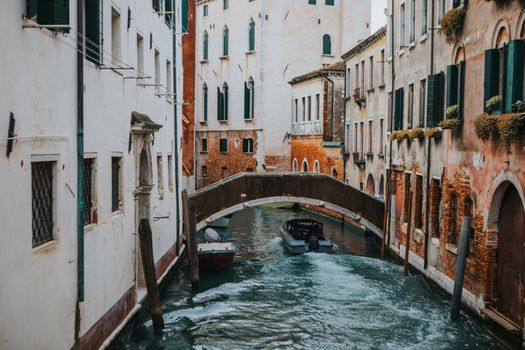
I stepped off the 6:15 AM vaporetto at San Zaccaria, bracing for the usual sensory assault: the high-pitch diesel churn of mooring water-taxis, the rattle of thousands of suit-case wheels scraping across stone bridges, and the heavy smell of churned-up canal silt.
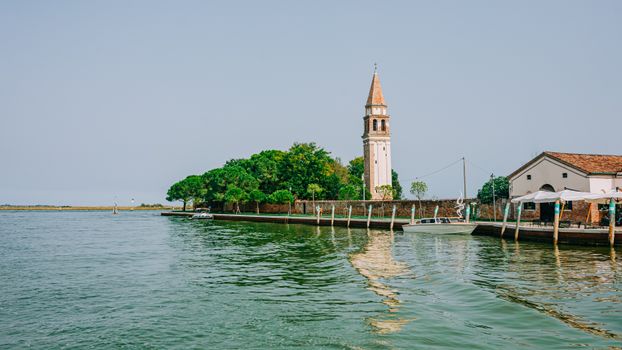
Instead, I heard salt water lapping gently against centuries-old Istrian stone. I smelled ocean brine and fresh-brewed espresso wafting from a bakery door swinging open on Calle del Dose. Looking down into the canal, I didn't see the murky, milk-tea sludge of 2019. I saw clear, green water revealing schools of tiny silver mullets darting around submerged oak pilings.
When global travel paused, nature didn't just step in; it executed a swift, dramatic reclamation. In the years following that pause, forward-thinking municipal governments and local conservationists seized a once-in-a-century window to overhaul unsustainable practices.
Top travel advisors—the elite planners who negotiate private access and track ground-level shifts—are quietly redirecting their high-yield clients to these rebooted wonderlands. If you think you know these six places based on pre-pause reviews, think again. Here is how they transformed, and how to experience them today.
---
1. Venice, Italy: Reclaiming the Lagoon Capital
For decades, Venice was the poster child for destructive overtourism. Massive 100,000-ton cruise ships glided within meters of St. Mark’s Square, displacing billions of gallons of water and scouring the fragile wooden foundations supporting the city's Renaissance palaces.
``` Pre-Pause Reality: Turbid water, choked alleyways, daily cruise ship surges of 30,000+ passengers. Post-Pause Reality: Megaship ban in Giudecca Canal, electric water taxi pilots, capped entry fees. ```
The Regeneration Story
In July 2021, the Italian government permanently banned large cruise ships from entering the Venetian Lagoon via the Giudecca Canal. The ecological impact was almost immediate. Sediment settled, allowing sea grass to re-root, which brought back seahorses, cormorants, and blue crabs. Simultaneously, city authorities implemented an entry-fee booking system for day-trippers to curve mid-day congestion.
Travel Advisor Pro-Tip
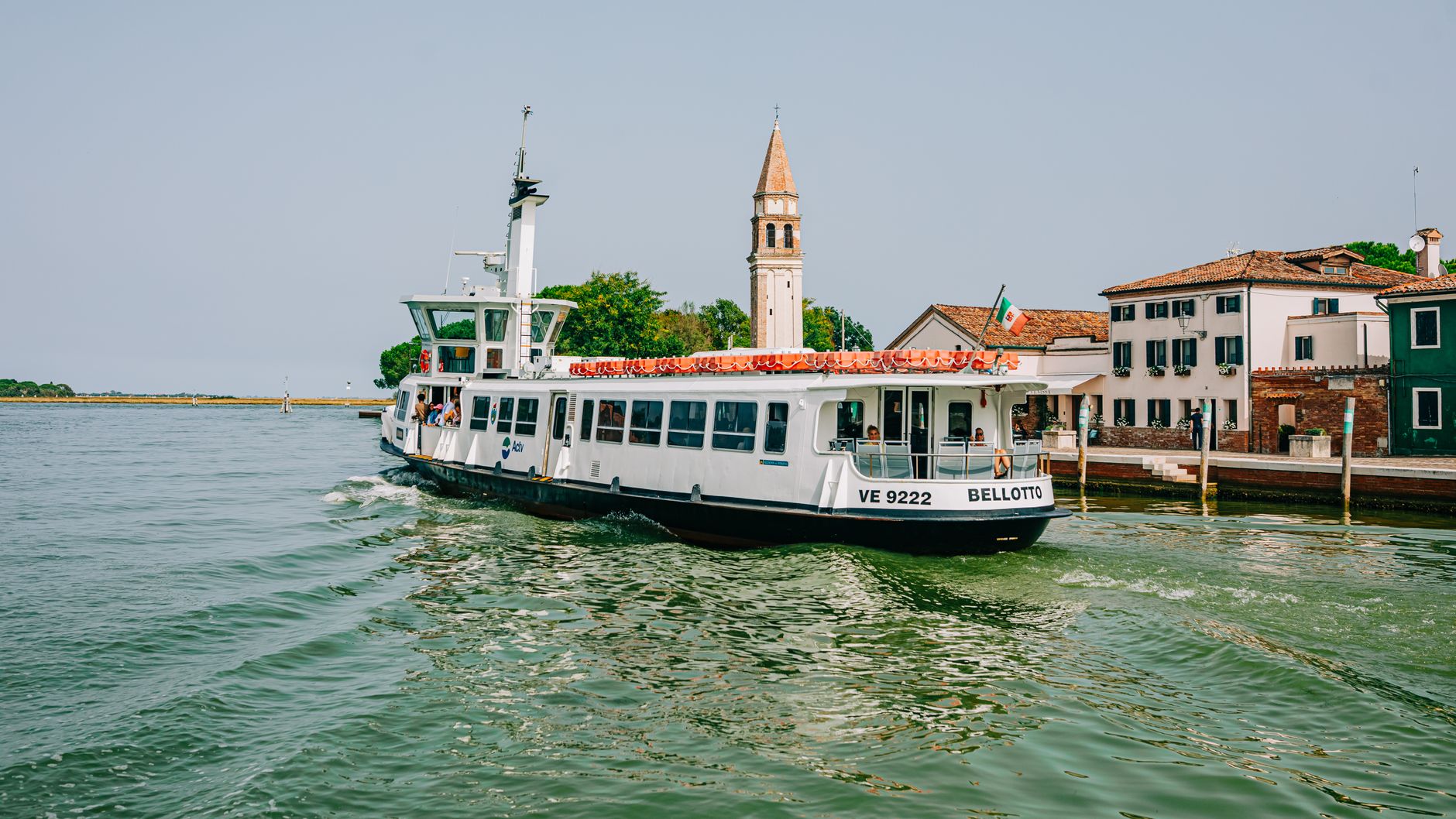
Skip the overcrowded San Marco corridor entirely between 10 AM and 4 PM. Instead, take line 12 out to Torcello. Walk past the pomegranate trees to the 7th-century Basilica of Santa Maria Assunta. Request a private evening water taxi through the Cannaregio district when the canals turn glass-like under low-hanging street lanterns.
---
2. Maya Bay, Koh Phi Phi, Thailand: Marine Rewilding at Work
Made world-famous by the film The Beach, Maya Bay once saw up to 5,000 visitors and hundreds of speedboats dumping diesel into its shallow turquoise inlet every single day. By 2018, over 80% of the bay's coral reefs were bleached or dead, and local marine life had fled.
``` Pre-Pause Reality: Anchor-damaged reefs, petrol fumes, knee-deep crowd carpets on the sand. Post-Pause Reality: Complete offshore boat bans, elevated boardwalks, returning reef sharks. ```
The Regeneration Story
The Thai Department of National Parks closed Maya Bay completely for over three years, extending into the broader travel pause. Marine biologists planted over 30,000 coral fragments. When tourists were allowed back under strict new protocols, the change was staggering: speedboats are now strictly forbidden from entering the bay itself. Guests drop anchor on the opposite side of the island at Samah Bay and cross via an elevated wooden boardwalk constructed through the limestone cliffs.
Travel Advisor Pro-Tip
Book a private longtail boat out of Tonsai Pier departing precisely at 6:30 AM. You must arrive at the rear pier before the morning tour speedboats arrive from Phuket. Stand quietly on the boardwalk lookout point; if you arrive before the morning sunlight hits the water, you can often spot up to 20 juvenile blacktip reef sharks hunting in the glass-clear shallows below.
---
3. Boracay, Philippines: From "Cesspool" to Pristine Paradise
Boracay’s famous White Beach—a four-kilometer stretch of powder-soft, talcum-like sand—had devolved into a chaotic strip of illegal beachfront constructions, untreated raw sewage pipes running directly into the water, and uninhibited midnight beach parties.
``` Pre-Pause Reality: Beachfront pollution, illegal structures, water advisories. Post-Pause Reality: Strict 30-meter beach setbacks, capped tourist arrivals, ban on beachfront drinking/smoking. ```
The Regeneration Story
Though Boracay’s rehabilitation began shortly before the global pause, the extended quiet allowed native vegetation to bind the coastal dunes back together. The Philippine government instituted strict 30-meter environmental buffer zones from the high-tide line, tore down non-compliant commercial properties, and mandated that all resorts connect to centralized sewage processing plants before reopening.
Travel Advisor Pro-Tip
Avoid the dense mid-section of Station 2. Head to Station 1 on the northern tail of White Beach, or stay at a eco-resort tucked into Yapak. Access the hidden path at Diniwid Beach by hugging the limestone cliff path; it opens into a tiny crescent bay where the water remains undisturbed, perfect for dusk paddleboarding over pristine marine beds.
---
4. Machu Picchu, Peru: Engineering the Ancient Citadel's Survival
The mystical Incan sanctuary of Machu Picchu faced severe land erosion, structural degradation of stone terraces, and chaotic crowding along its iconic narrow causeways. Foot traffic was tearing the soil away from sacred structures like the Temple of the Sun.
``` Pre-Pause Reality: Unregulated wandering, heavy trail degradation, massive line choke points. Post-Pause Reality: Strict one-way circuit routes, strict timed entry slots, grass restoration. ```
The Regeneration Story
Peru’s Ministry of Culture utilized the hiatus to re-engineer visitor logistics from the ground up. They implemented a strict, non-negotiable circuit system (Circuits 1 through 5). Visitors can no longer wander freely back and forth across the ruins; you move continuously in one direction along raised wooden platforms designed to prevent foot-traffic friction on ancient soil.
Travel Advisor Pro-Tip
Prioritize booking Circuit 1 or Circuit 2 combined with the Upper Terrace access. This gives you the quintessential panoramic postcard photo before guiding you through the agricultural sectors. Reserve your entry tickets at least four to five months in advance—daily entry caps are enforced down to the exact hour, with zero walk-up tickets issued on-site.
---
5. Amsterdam, Netherlands: Reclaiming Culture Over Chaos
The historic Canal District of Amsterdam had reached a boiling point where local residents felt pushed out by budget bachelor parties, weed tourism, and over-crowded, low-rent souvenir shops selling mass-produced trinkets.
``` Pre-Pause Reality: Street drinking, overcrowded narrow alleys, loss of local commerce. Post-Pause Reality: Outdoor smoking bans in old center, caps on vacation rentals, culture-first zoning. ```
The Regeneration Story
Amsterdam used the travel pause to implement its long-debated "Reset Tourism" agenda. The city banned outdoor cannabis smoking in the Red Light District, restricted cruise ship dockings at the central terminal, capped short-term holiday rentals, and purchased commercial real estate to lease back exclusively to local artisans, independent bakeries, and boutique galleries.
Travel Advisor Pro-Tip
Base yourself in the Oud-West or De Pijp neighborhoods rather than the Centrum. To see the city's aquatic transport network through a sustainable lens, skip the industrial glass-topped canal cruises and book an electric boat tour with an independent historian. Make a sunrise stop at Ons' Lieve Heer op Solder ("Our Lord in the Attic"), a preserved secret Catholic church built inside a 17th-century canal house attic.
---
6. The Galápagos Islands, Ecuador: Setting the Global Eco-Standard
The Galápagos archipelago was already heavily regulated, but the surge in land-based hotel developments and land tours pre-pause was threatening strict biosecurity protocols, risking the introduction of invasive seeds, insects, and plant diseases.
``` Pre-Pause Reality: Creeping land-based tourism pressure, increased risk of bio-contamination. Post-Pause Reality: Upgraded bio-screening at Quito/Guayaquil, expanded marine reserves, zero-single-use-plastic enforcement. ```
The Regeneration Story
During the pause, Ecuador doubled down on ecosystem protection by expanding the Hermandad Marine Reserve by 60,000 square kilometers, creating a safe migratory corridor reaching up toward Costa Rica’s Cocos Island. Biosecurity inspections at entry airports were digitized and intensified, and local operators converted their vessel fleets to low-emission, quiet-propulsion systems that minimize underwater acoustic pollution.
Travel Advisor Pro-Tip
Choose a small, vessel-based expedition yacht (maximum 16 passengers) certified by SmartPlanet or Rainforest Alliance rather than land-based hotels. This grants you early-morning access to isolated outer islands like Genovesa or Fernandina long before day-boats arrive from Santa Cruz, letting you snorkel with marine iguanas in complete solitude.
---
Logistics & Quick Reference Guide
Planning a trip to a rebooted destination requires precise execution. The old playbooks no longer apply.
| Destination | Estimated Daily Budget ($ USD) | Best Time to Visit | Key Access Strategy | | :--- | :--- | :--- | :--- | | Venice, Italy | $350 - $700 (Mid to Luxury) | April–May or October–November | Pre-register entry fee online; take morning trains. | | Maya Bay, Thailand | $120 - $350 (Mid to Luxury) | November–April (Bay closed Aug–Sept) | Hire early longtail boat from Tonsai Pier before 7 AM. | | Boracay, Philippines| $150 - $400 (Mid to Luxury) | October–May (Dry Season) | Book certified eco-resorts in Station 1 or Yapak. | | Machu Picchu, Peru | $250 - $600 (Mid to Luxury) | May–September (Dry Season) | Lock in Circuit 1/2 tickets 4–5 months out. | | Amsterdam, Netherlands| $280 - $550 (Mid to Luxury) | September–November or April | Stay in Oud-West; travel entirely by bicycle/tram. | | Galápagos, Ecuador | $800 - $1,800 (Luxury Expeditions) | December–May (Warm/Clear water) | Book 16-passenger eco-yachts 8–12 months ahead. |
---
The Strategic Blueprint for Today's Conscious Traveler
The underlying takeaway from top travel advisors is clear: uncontrolled access is a relic of the past. The destinations that bounced back best are those that set boundaries. As travelers, navigating this restored world requires a shift in mindset.
- Trade Spontaneity for Strategic Planning: The days of deciding to visit a major historic landmark on a whim at noon are over. Timed tickets, strict visitor caps, and permit systems require booking months out. Embrace it—it guarantees you a vastly superior, uncrowded experience once you pass the gates.
- Prioritize the "Edge Hours": The regeneration benefits are most apparent when the daytime transit crowds dissipate. Plan your outings for the golden hours—6:30 AM to 8:30 AM, and post-sunset. You’ll experience clear waters, calm streets, and true local culture.
- Hire Local, Certified Guides: In places like Peru, the Galápagos, and Thailand, local park rangers and native guides aren't just commentators—they are the direct custodians of these regenerated zones. Hiring them directly supports the local economies sustaining these ecological rebounds.
When you stand on the shores of Maya Bay or walk along the silent, mist-covered stone pathways of Venice today, you aren't just seeing a beautiful place. You are witnessing proof that when humanity steps back and lets nature lead, the world recovers with breathtaking speed.
---