Reborn Destinations: The Gems That Flourished During the Tourism Pause
I stepped off the train in Kyoto, not into the usual throng of selfie sticks and hurried footsteps, but into a gentle hush. The air, usually thick with the murmur of a thousand languages, carried the subtle scent of damp earth and blossoming cherry trees. The iconic vermillion gates of Fushimi Inari Shrine, usually a river of humanity, stood serenely, their vibrant color popping against a sky that seemed to hold its breath. It was a Kyoto I'd only dreamed of – an intimate, almost spiritual encounter with a city that had, in its own quiet way, been healing.
This wasn't an isolated incident. Across the globe, places that once grappled with over-tourism have, in the enforced quiet of the recent past, found a new rhythm. Nature has reclaimed its spaces, local communities have reasserted their traditions, and the very essence of these destinations has been amplified. As an elite travel journalist and SEO strategist for Tripsora, I've been on a mission to find these revitalized havens. Forget the "same old, same old"; these are the destinations that improved during the tourism pause, offering a more authentic, sustainable, and profoundly beautiful experience.
1. The Emerald Embrace: Costa Rica's Reclaimed Rainforests
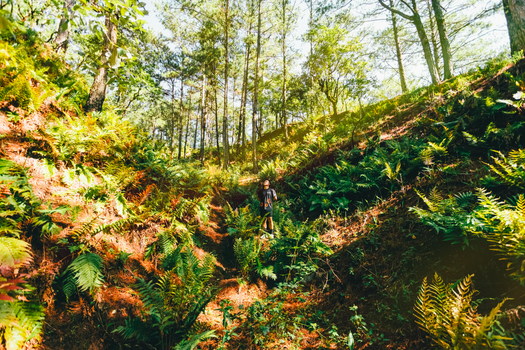
Costa Rica has always been a beacon of ecotourism, but the pause allowed its already-vibrant natural world to truly sing. Imagine hiking through primary rainforest, the air alive with the symphony of howler monkeys and the iridescent flash of a quetzal. The jungle floor, less trodden, revealed intricate patterns of fungi and a richer tapestry of insect life.
Pro-Tips:
- Manuel Antonio National Park: Visit at dawn to witness monkeys and sloths in their natural, undisturbed state. The trails are less congested, allowing for more intimate wildlife encounters.
- Osa Peninsula: This remote region, often called "the most biologically intense place on Earth," has become even more pristine. Stay in an eco-lodge and immerse yourself in its raw beauty.
- Night Walks: Guided night walks are now even more spectacular, with nocturnal creatures less likely to be startled by large groups. You might spot a kinkajou or a rare tree frog!
Quick Facts: Costa Rica
| Category | Details | Estimated Cost ($USD) | Best Time to Visit | How to Get There | | :-------------- | :------------------------------------------- | :-------------------- | :----------------- | :---------------------------------------------------------- | | Accommodation | Eco-lodges, boutique hotels, homestays | $80 - $300+ | December - April | Fly into Juan Santamaría International Airport (SJO) | | Activities | Zip-lining, wildlife tours, surfing, hiking | $50 - $150+ per day | May - November | Fly into Daniel Oduber Quirós International Airport (LIR) | | Food | Local sodas (eateries), fresh produce | $30 - $60 per day | | |
Authenticity Check: The "Pura Vida" (pure life) ethos of Costa Rica has always been strong, but the pause allowed it to deepen. Locals have had more time to focus on their crafts, from artisanal coffee production to traditional weaving, offering visitors a chance to connect with the soul of the country.
2. The Ancient Echoes: Petra, Jordan's Timeless Majesty
For years, Petra was a whirlwind of activity. Now, imagine walking through the Siq, that narrow, winding gorge, with only the sound of your own footsteps and the whisper of the wind. The iconic Treasury, carved into the rose-red cliffs, emerges not as a backdrop for a thousand photos, but as a monumental testament to human ingenuity, bathed in an almost sacred light.
Pro-Tips:
- Sunrise Spectacle: Arrive before dawn. The first rays of sun hitting the Treasury are a breathtaking, uncrowded spectacle.
- The Monastery (Ad-Deir): The hike up is challenging but incredibly rewarding. You'll likely have this monumental facade almost entirely to yourself.
- Little Petra (Siq al-Barid): This smaller, less-visited site offers a more intimate glimpse into Nabataean life. It's a perfect complement to the main city.
Quick Facts: Petra
| Category | Details | Estimated Cost ($USD) | Best Time to Visit | How to Get There | | :-------------- | :---------------------------------------- | :-------------------- | :----------------- | :--------------------------------------------------------- | | Accommodation | Hotels in Wadi Musa, Bedouin camps | $60 - $200+ | March - May | Fly into Queen Alia International Airport (AMM), then bus/taxi | | Activities | Petra entrance fee, guided tours, Petra by Night | $70 - $150+ (for 2 days) | September - November | Fly into King Hussein International Airport (AQJ) for closer access | | Food | Local Jordanian cuisine, street food | $25 - $50 per day | | |
Insider Knowledge: The Bedouin guides, who have a profound connection to Petra, have had more time to share their stories and knowledge. Seek them out for anecdotes about the history and the natural environment that you won't find in guidebooks.
3. The Serene Shores: The Maldives' Coral Renaissance
The turquoise waters of the Maldives, often dotted with seaplanes and bustling resorts, have experienced a remarkable rejuvenation. The coral reefs, under less pressure from boat traffic and diving groups, have shown signs of incredible recovery. Imagine snorkeling in crystal-clear lagoons, the silence broken only by the gentle lapping of waves and the vibrant dance of marine life.
Pro-Tips:
- Dhigurah Island: This local island offers a more authentic Maldivian experience and is known for its whale shark and manta ray encounters, which are thriving.
- Resort Sustainability: Choose resorts with strong eco-credentials. Many have implemented stricter waste management and coral protection programs.
- Night Snorkeling: The underwater world takes on a magical, otherworldly quality after dark. Many resorts offer guided night snorkeling tours.
Quick Facts: The Maldives
| Category | Details | Estimated Cost ($USD) | Best Time to Visit | How to Get There | | :-------------- | :------------------------------------------ | :-------------------- | :----------------- | :----------------------------------------------------------------- | | Accommodation | Overwater bungalows, beach villas, guesthouses | $150 - $1000+ | December - April | Fly into Velana International Airport (MLE), then seaplane/speedboat | | Activities | Snorkeling, diving, dolphin cruises, spa | $70 - $200+ per day | May - November | | | Food | Fresh seafood, international cuisine | $50 - $150+ per day | | |
Local Insight: The pause allowed Maldivian communities to reconnect with their marine heritage. Engage with local fishermen and dive instructors to understand their efforts in conservation and learn about traditional fishing methods.
4. The Cultural Heartbeat: Kyoto, Japan's Tranquil Temples
As I mentioned earlier, Kyoto has undergone a remarkable transformation. The city's famed temples and gardens, usually a kaleidoscope of colors and a hum of activity, now offer a profound sense of peace. Imagine meditating in a Zen garden, the raked gravel whispering secrets of centuries past, or strolling through the Arashiyama Bamboo Grove with only a handful of others.
Pro-Tips:
- Kinkaku-ji (Golden Pavilion): Visit at opening (9 AM) for a chance to see its glittering facade reflected in the pond without the usual crowds.
- Gion District: Explore early in the morning or late at night for a more authentic feel and a chance to spot geiko and maiko heading to appointments.
- Philosopher's Path: Walk this picturesque canal-side path during the week for a truly contemplative experience.
Quick Facts: Kyoto
| Category | Details | Estimated Cost ($USD) | Best Time to Visit | How to Get There | | :-------------- | :------------------------------------------ | :-------------------- | :----------------- | :---------------------------------------------------------- | | Accommodation | Ryokans, boutique hotels, modern hotels | $100 - $400+ | March - May | Fly into Kansai International Airport (KIX), then Shinkansen | | Activities | Temple visits, tea ceremonies, cooking classes | $50 - $100+ per day | October - November | | | Food | Kaiseki, ramen, street food | $40 - $100+ per day | | |
Zen Master's Tip: Embrace the wabi-sabi aesthetic – the appreciation of imperfection and transience. Kyoto's quieter moments allow for a deeper understanding of this philosophy, evident in its ancient temples and meticulously maintained gardens.
5. The Wild Heartbeat: The Galápagos Islands, Ecuador's Untamed Eden
The Galápagos, a living laboratory of evolution, experienced a much-needed respite. The endemic wildlife, accustomed to human presence but often at a distance, now exhibits even bolder, more curious behaviors. Imagine sea lions lounging on benches without a care, or blue-footed boobies performing their courtship dances with an audience of just a few.
Pro-Tips:
- San Cristobal Island: Explore the highlands and its abundant sea lion colonies. The interpretation center offers great insights without the crowds.
- Española Island: Home to unique species like the waved albatross, this island is a birdwatcher's paradise. Cruises often have smaller group sizes now.
- Kayaking: Explore the coastlines by kayak for intimate encounters with marine iguanas and sea turtles.
Quick Facts: Galápagos Islands
| Category | Details | Estimated Cost ($USD) | Best Time to Visit | How to Get There | | :-------------- | :-------------------------------------------- | :-------------------- | :----------------- | :---------------------------------------------------------- | | Accommodation | Cruise ships, hotels on inhabited islands | $400 - $1000+ (cruise) | December - May | Fly into Seymour Airport (GPS) on Baltra or San Cristobal (SCY) | | Activities | Snorkeling, hiking, wildlife viewing, diving | Included in cruise | June - November | Fly into Guayaquil (GYE) or Quito (UIO) first | | Food | Included on cruises, local seafood on islands | $40 - $80 per day | | |
Evolutionary Insight: The reduction in human traffic has allowed researchers and guides to observe natural behaviors more clearly. Ask your naturalist guide about the subtle changes in animal interactions they've witnessed.
The Future of Travel: Embracing the Revitalized Journey
These destinations are more than just beautiful; they are testaments to resilience and the power of nature. The tourism pause, while challenging, has offered a profound opportunity for many places to recalibrate, to prioritize sustainability, and to rediscover their authentic selves.
As travelers, we have a responsibility and an incredible opportunity to support this shift. By choosing these revitalized destinations, we can contribute to their ongoing recovery, experience unparalleled beauty, and forge deeper connections with the places we visit. This isn't just about seeing the world; it's about experiencing it in a way that honors its past and secures its future. So, pack your bags, embrace the quiet wonder, and discover the destinations that truly improved during the tourism pause. Your most unforgettable adventure awaits.