The Hook: A Taste of the Wild
I was kneeling in the damp, mossy undergrowth of the Scottish Highlands when Hamish, a man whose skin looked remarkably like the bark of the Scots Pines surrounding us, handed me a tiny, translucent needle. "Chew it," he barked. I expected the bitter shock of sap; instead, my palate was hit with a zesty, electric burst of pink grapefruit.
That was my introduction to the Douglas Fir—not as timber, but as a gourmet ingredient.
In an era of QR-code menus and pre-packaged convenience, there is something viscerally rebellious about plucking your dinner from the dirt. But doing it alone is a one-way ticket to a stomach pump. To truly unlock the landscape, you need a guide—the kind of person who knows the difference between a delicious Chanterelle and a "Jack-o'-Lantern" fungus by the way the gills attach to the stem. Here are the definitive foraging experiences with local experts worth considering right now.
---
1. The Salt-Sprayed Bounty: Coastal Foraging in County Kerry, Ireland
The Wild Atlantic Way isn’t just for scenic drives; it’s a giant, salty pantry. In Caherdaniel, you’ll find experts like Mary O’Hulloran, who has spent decades reading the tides like a Sunday broadsheet.
Walking the shoreline at low tide, you aren't just looking for "seaweed." You’re hunting for Pepper Dulse—the "truffle of the sea"—which carries a spicy, oceanic kick that makes high-end salts look amateur. You'll learn to identify Sea Spaghetti and the gelatinous Carrageen Moss, often used in traditional Irish puddings.
The Insider Detail: It’s not just about the plants. Mary will show you how to find "limpet mines" and the tiny, delicious periwinkles hiding in the crevices of the jagged limestone.
- Pro-Tip: Wear neoprene boots. The rocks are slicker than an oil spill, and the best Dulce grows right at the edge of the crashing surf.
2. The Underground Gold: Truffle Hunting in Alba, Italy
Forget the tourist traps in Florence. Head to the Langhe region of Piedmont. Here, the "local expert" isn't just the Trifolau (truffle hunter); it’s his dog.
I joined Giorgio and his Lagotto Romagnolo, a curly-haired dynamo named Luna, under the cover of a foggy November morning. This isn't a staged performance. We scrambled up steep, muddy embankments under ancient oak trees. When Luna began to dig frantically, the smell hit me before the truffle did: an intoxicating, musky aroma of garlic, earth, and honey.
The Insider Detail: Genuine white truffles (Tuber magnatum pico) cannot be cultivated. Every ounce you find is a miracle of nature, which explains the $4,000-a-pound price tag.
- Pro-Tip: Book your hunt for late October or November. The "White Truffle of Alba" is at its peak, and the surrounding vineyards are a riot of crimson and gold.
3. The Urban Harvest: Berlin’s Edible Wastelands
You don’t need a forest to forage. In Berlin, the "Wild Green" movement is spearheaded by experts who see the city's checkered history through its flora.
Walking through the sprawling Tempelhofer Feld—a former airport turned public park—a guide like Maurice Maggi will point out Mugwort growing through cracks in the runway or Elderberry bushes lining the old hangars. Berlin’s sandy soil is surprisingly fertile, offering up wild mustard, woodruff, and even hops left over from the city’s brewing past.
The Insider Detail: This isn't just about food; it's about "Anarchy Gardening." The experts here focus on the resilience of plants in post-industrial spaces.
- Pro-Tip: The tour usually ends with a "guerrilla picnic" near the Landwehr Canal. Bring a reusable tote bag; you’ll leave with more greens than a farmers' market haul.
4. The Desert Alchemist: Sonoran Foraging in Arizona, USA
Most people see the Arizona desert and think "dehydration." Local experts like those at the Desert Laboratory on Tumamoc Hill see a buffet.
The Sonoran Desert is one of the most edible landscapes on earth, provided you know how to handle the spines. In late summer, the Saguaro fruit ripens—a deep red, jammy treasure that tastes like a cross between a strawberry and a fig. You’ll also learn to harvest Mesquite pods, which can be ground into a gluten-free flour with a rich, nutty sweetness.
The Insider Detail: Look for the "Wolfberry"—a desert goji berry. It’s a tiny red orb that packs more antioxidants than almost anything in your local Whole Foods.
- Pro-Tip: The heat is no joke. These tours usually start at 6 AM. The "hidden entrance" to the best mesquite groves is often through unmarked trailheads near the Tucson Mountains.
5. The Mycologist’s Dream: The Oregon Cascades, USA
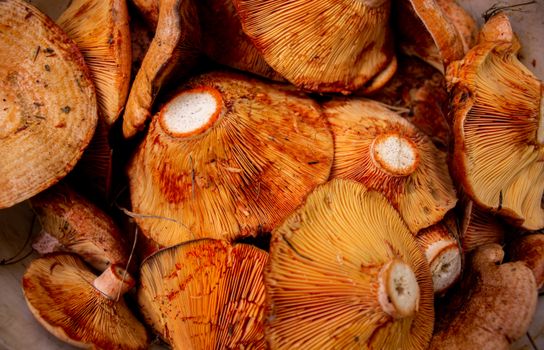
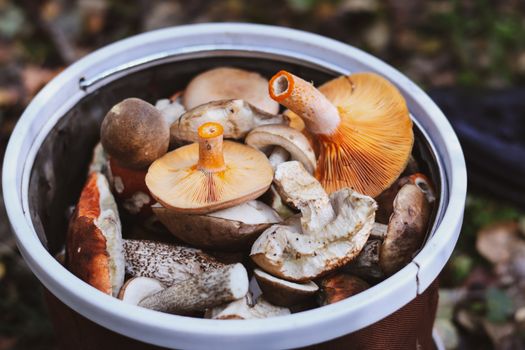
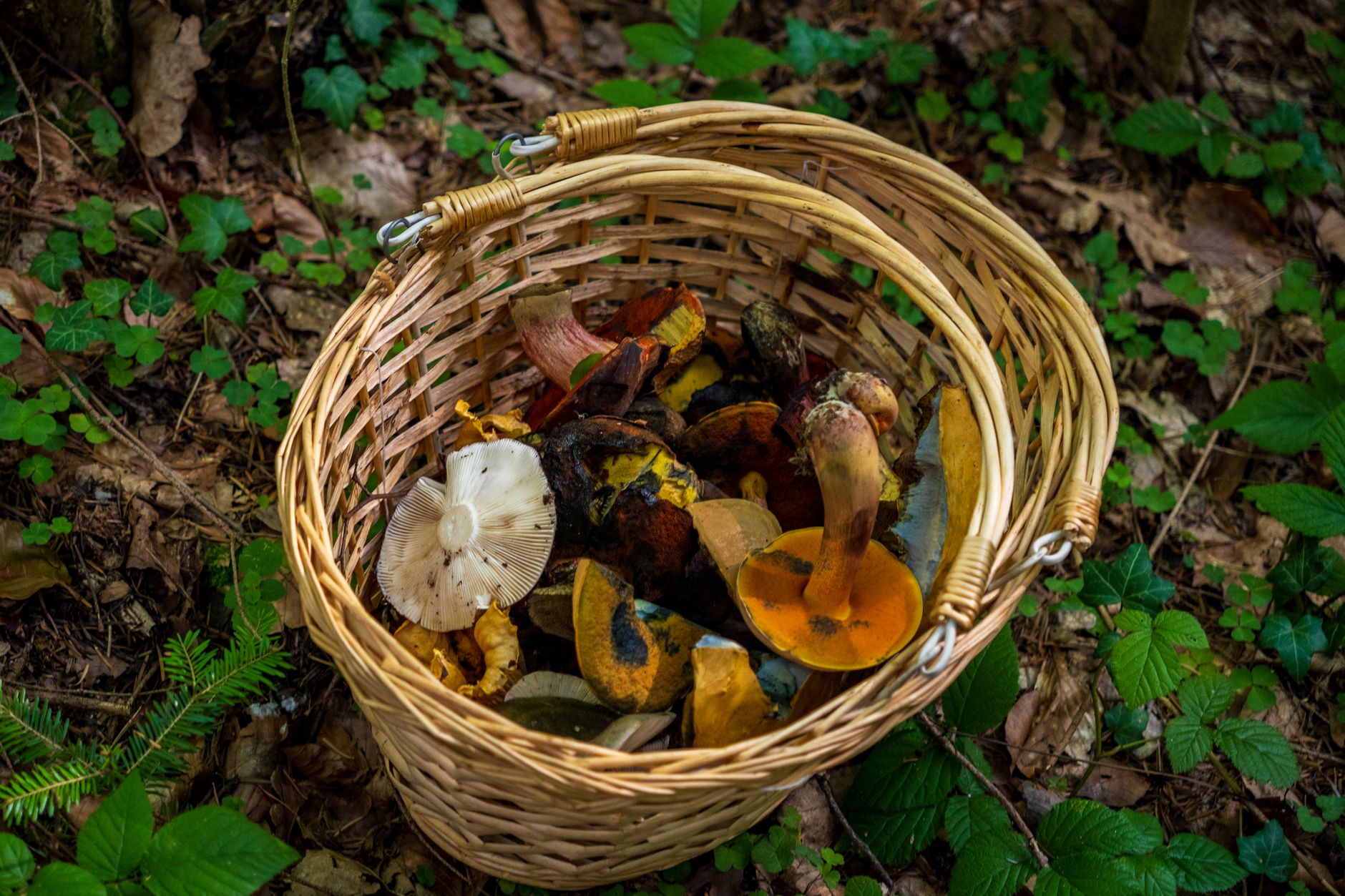
In the Pacific Northwest, foraging is a religion, and the Chanterelle is the deity. Deep in the Mt. Hood National Forest, expert mycologists lead small groups into the "Huckleberry zones."
The air here smells of damp cedar and fermentation. Your guide will teach you the "shrumble"—the subtle hump in the pine needles that signals a King Bolete (Porcini) is about to break the surface. Unlike the dry European forests, the Cascades are lush, meaning you’ll also find Lobster Mushrooms and the elusive, candy-scented Candy Cap.
The Insider Detail: Local experts use mesh bags, not plastic. This allows the spores to drop back onto the forest floor as you walk, ensuring a harvest for next year.
- Pro-Tip: Visit in early October after the first "big soak" (rain). The mushrooms explode overnight.
6. The Nordic Ritual: Wild Berries in Småland, Sweden
In Sweden, foraging is a birthright protected by Allemansrätten (The Right of Public Access). But to find the "Gold of the North"—the Cloudberry—you need a local who knows the secret marshes.
In the province of Småland, guides lead you through peat bogs to find these amber-colored berries. They are tart, creamy, and notoriously difficult to find because they only grow in the wild. You’ll also gather Lingonberries and Bilberries (the wild, more flavorful cousin of the blueberry).
The Insider Detail: Swedes don't just eat the berries; they use the young Spruce tips in the spring to make a citrusy syrup that is legendary in local cocktails.
- Pro-Tip: Bring high-quality bug spray. The marshes are beautiful, but the mosquitoes are the size of small drones.
7. The Deep Umami: Seaweed and Shellfish in Hokkaido, Japan
Hokkaido is the culinary frontier of Japan. Here, local "Sea Masters" take you into the cold Okhotsk Sea shallows to harvest Kombu (kelp) that defines the flavor of Japanese dashi.
This experience is deeply cultural. You’ll learn the "sun-drying" technique on the pebble beaches, where the kelp is laid out in precise rows to concentrate its glutamates. Depending on the season, you might also forage for wild Wasabi greens in the mountain streams that feed into the ocean.
The Insider Detail: The flavor of "Rishiri Kombu" is so prized that it’s often aged like a fine wine for up to three years.
- Pro-Tip: The best tours are run out of small ryokans (traditional inns) in the Shiretoko Peninsula. Ask for the "Fisherman's Breakfast" tour.
---
Quick Facts: Logistics at a Glance
| Location | Best Time | Est. Cost (USD) | Difficulty | Key Find | | :--- | :--- | :--- | :--- | :--- | | Kerry, Ireland | April - Sept | $80 - $120 | Easy | Pepper Dulse | | Alba, Italy | Oct - Dec | $200 - $350 | Moderate | White Truffle | | Berlin, Germany | May - Oct | $40 - $60 | Easy | Wild Mustard | | Arizona, USA | June - Aug | $75 - $100 | Moderate | Saguaro Fruit | | Oregon, USA | Sept - Nov | $120 - $180 | Hard | Chanterelles | | Småland, Sweden | Aug - Sept | $90 - $130 | Moderate | Cloudberries | | Hokkaido, Japan | May - Oct | $150 - $250 | Moderate | Rishiri Kombu |
---
The Ethics of the Harvest
Before you head out, remember the Golden Rule of the forager: If you aren't 100% sure, leave it be. Local experts provide more than just location; they provide the safety net. Never harvest more than 10% of a patch, and always respect local permit laws, especially in National Parks.
Foraging isn't just about the food; it's about recalibrating your senses. It’s about realizing that the world isn't just a backdrop for our lives—it’s a living, breathing pantry waiting to be tasted.
---