The Hook: Midnight in the White City
I stepped onto the warm, limestone pavers of Mérida’s Plaza Grande at 11:45 PM. The air was thick with the scent of roasted corn, caramelized sugar from nearby marquesita carts, and the faint, sweet perfume of blooming night-jasmine. Around me, three generations of local families sat on the iconic white tú y yo (you and me) love seats, chatting lazily while children chased light-up toys near the fountain.
My iPhone sat completely exposed on the wrought-iron table of an outdoor café where I was sipping a cold agua de chaya. Earlier that afternoon, my inbox had been flooded with frantic emails from my family in Ohio. They had seen a blanket U.S. State Department "Level 3: Reconsider Travel" warning for Mexico and assumed I was navigating a war zone.
The disconnect was staggering.
``` CRIME RATE COMPARISON (Safety Index by Numbeo, 2024) ┌───────────────────────────┬──────────────────────────┐ │ City │ Safety Index (Higher=Better)│ ├───────────────────────────┼──────────────────────────┤ │ Mérida, Mexico │ 74.2 │ │ Austin, Texas │ 53.6 │ │ Montevideo, Uruguay │ 52.8 │ │ Portland, Oregon │ 48.1 │ │ Chicago, Illinois │ 30.2 │ └───────────────────────────┴──────────────────────────┘ ```
As a seasoned travel journalist, I’ve spent a decade cross-referencing government travel advisories with actual on-the-ground crime statistics. The truth? Bureaucratic warnings are often blunt instruments, designed more for geopolitical liability than practical tourist safety. When an advisory warns you away from an entire country, it ignores the peaceful, culturally rich sanctuaries thriving within those borders.
Here are five incredible Latin American cities that are statistically safer, culturally richer, and far more welcoming than the sensationalized headlines suggest.
---
1. Mérida, Mexico: The Yucatán Oasis That Defies the Headlines
When the media broadcasts warnings about Mexico, they rarely distinguish between border towns in Tamaulipas and the tranquil, sun-bleached streets of the Yucatán Peninsula. Mérida, the state capital, is consistently ranked as the safest city in Mexico—and the second safest in the entire Western Hemisphere, surpassed only by Quebec City.
The Real Vibe
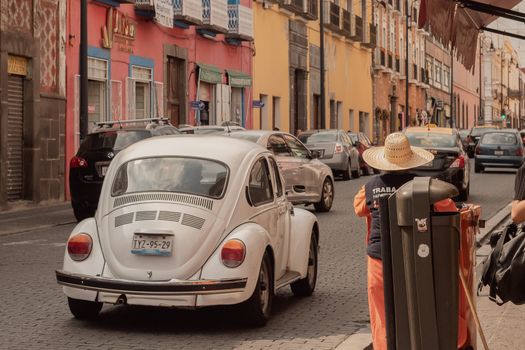
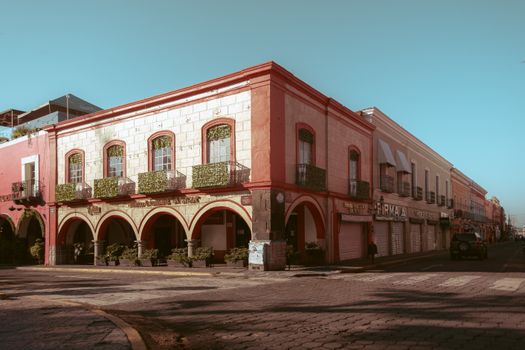
Mérida is a masterclass in colonial elegance mixed with vibrant Maya culture. The city's architecture is a pastel dream of mint green, pale pink, and soft yellow facades. On weekends, the city center closes to car traffic for Mérida en Domingo, transforming the historic core into a massive open-air dance floor filled with live big bands, folk dancers in embroidered huipiles, and food stalls selling cochinita pibil (slow-roasted pork marinated in bitter orange and achiote).
The Safety Reality
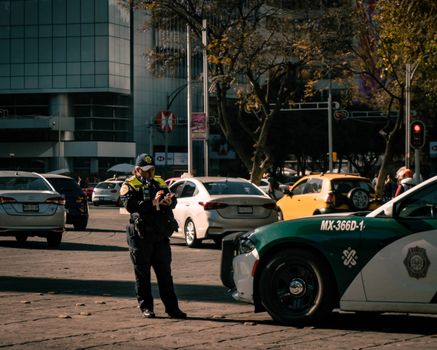
Mérida’s homicide rate is comparable to rural parts of Europe. The local police force (Policía Municipal) is highly visible, professional, and well-funded. You can comfortably walk home alone from a late-night mezcal bar at 2:00 AM without looking over your shoulder.
- Pro-Tip: Skip the crowded tourist restaurants on Calle 60. Instead, head to La Lupita inside the Santiago Market at 8:00 AM. Order three panuchos (crispy tortillas stuffed with black bean paste and topped with shredded turkey and pickled red onions) and wash them down with fresh horchata.
- The Hidden Spot: Find the unmarked, heavy wooden door next to the Parque de Santa Lucía. Behind it lies El Cardenal, a speakeasy-style cantina where locals drink cold craft beers under original 19th-century ceiling beams.
---
2. Cuenca, Ecuador: The Andean Sanctuary
Ecuador has dominated international news recently due to security challenges in its coastal port cities. However, lumping the high-altitude Andean city of Cuenca into these warnings is a massive travel mistake. Located 8,400 feet up in the southern highlands, Cuenca remains a peaceful, intellectual, and incredibly safe haven.
The Real Vibe
Cuenca is a UNESCO World Heritage site defined by its four rushing rivers, cobblestone streets, and magnificent blue-domed Cathedrals. It feels more like a historic European university town than a bustling South American metropolis. The air is crisp, the locals (known as Cuencanos) are immensely polite, and the city runs at a relaxed, poetic pace.
The Safety Reality
Cuenca’s geographic isolation from the coast protects it from the geopolitical issues affecting cities like Guayaquil (which is an eight-hour drive away over a massive mountain range). Street crime is remarkably low, and the city has a massive, highly integrated community of North American expats who walk the Tomebamba River paths daily.
- Pro-Tip: The best view of the iconic blue domes of the New Cathedral isn't from the plaza below. Walk inside the cathedral and ask the guard at the small desk on the right for access to the terrace. For a $2 fee, you can climb the spiral stone staircase to the roof for an unobstructed, eye-level view of the domes against the Andean sky.
- The Culinary Insider: Head to the Mercado 10 de Agosto on a Thursday morning. Seek out the stalls serving hornado (whole roasted pig with crispy skin). Look for the longest line of locals—usually fronted by a charismatic vendor offering free samples of crackling.
---
3. Montevideo, Uruguay: The Progressive Capital of Calm
Uruguay is often called the "Switzerland of South America," yet it is frequently overlooked by travelers who opt for the flashier, but significantly more volatile, capitals of Buenos Aires or Rio de Janeiro. Montevideo, Uruguay’s coastal capital, is a progressive, safe, and deeply underrated destination.
The Real Vibe
Montevideo feels like a nostalgic, mid-century coastal town mixed with bohemian art deco flair. The city's daily rhythm is dictated by the Rambla—a continuous 14-mile sidewalk that hugs the silver waters of the Río de la Plata. Here, locals of all ages walk, jog, and socialize, almost always with a thermos tucked under one arm and a hollowed-out gourd of mate in hand.
The Safety Reality
Uruguay boasts some of the strongest democratic institutions, lowest corruption levels, and highest standards of living in Latin America. While petty pickpocketing can occur in the historic Ciudad Vieja at night, violent crime is exceedingly rare.
- Pro-Tip: Rent a public bicycle near Parque Rodó at 5:00 PM and ride west along the Rambla as the sun sinks into the river.
- The Culinary Insider: Avoid the highly touristy restaurants inside the main hall of the Mercado del Puerto. Instead, walk two blocks east to Estrecho, a tiny, counter-only restaurant on Calle Sarandí. Sit at the bar and watch the chef prepare pan-seared sweetbreads and perfectly dressed local greens in a space no wider than a hallway.
---
4. Antigua, Guatemala: The Volcanic Beauty with Zero Drama
Guatemala often carries a harsh reputation in international travel forums, primarily due to gang activity in specific neighborhoods of Guatemala City. However, just 45 minutes away lies Antigua, a colonial jewel wrapped in three towering volcanoes, operating in a completely different safety ecosystem.
The Real Vibe
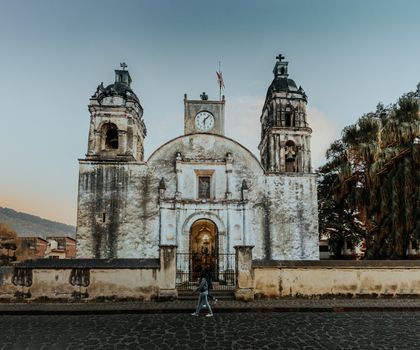
Antigua is a breathtaking tapestry of ruined 16th-century baroque churches, vibrant textile markets, and world-class specialty coffee shops. The streets are paved with rugged river stones, and the low-slung, terracotta-tiled homes are painted in rich shades of ochre, dusty rose, and deep indigo.
The Safety Reality
Antigua is heavily protected by POLITUR (Guatemala’s dedicated tourist police). They patrol the streets on foot, bicycle, and motorcycle 24/7. Because tourism is the city’s primary economic engine, the local community and government fiercely protect the safety of visitors.
- Pro-Tip: To get the ultimate photos of the iconic Santa Catalina Arch framed by the Agua Volcano, arrive at the arch at precisely 6:45 AM. The morning light is golden and soft, the volcanic peak is usually free of clouds, and the streets are completely empty of cars and tour groups.
- The Hidden Spot: Walk through the unassuming floral entrance of Café Boheme. Head straight up the narrow stairs to their rooftop garden terrace. Here, you can sip a pour-over made from volcanic-soil-grown beans while looking directly at the smoking peak of Fuego Volcano in the distance.
---
5. Curitiba, Brazil: The Green Masterclass in Urban Peace
Brazil is frequently painted with a broad brush of high-intensity crime, mostly driven by the complex socioeconomic dynamics of Rio de Janeiro and Salvador. But head south to Paraná state, and you will find Curitiba—a city that shattered the mold of Latin American urban development.
The Real Vibe
Curitiba is an urban planning marvel. Known globally for its innovative bus rapid transit system and vast green spaces, it feels incredibly clean, organized, and modern. The city boasts over 30 parks and forests, including the stunning Botanical Garden with its iconic art nouveau glass greenhouse.
The Safety Reality
Curitiba’s high employment rates, excellent public services, and civic pride translate to some of the lowest crime statistics of any major Brazilian city. The public transit system is safe, clean, and highly efficient to use even late into the evening.
- Pro-Tip: Skip the expensive city tours. Use the Linha Turismo (Tourism Line), a double-decker bus that loops through the city's 26 main attractions. It costs around $10 USD and allows you to hop on and off at five different points of interest.
- The Culinary Insider: Visit the Feirinha do Largo da Ordem (Sunday morning market). Navigate past the artisan crafts to the food section and order a giant, piping-hot pastel de vento stuffed with local cheese and hearts of palm, paired with freshly squeezed sugarcane juice (caldo de cana).
---
Quick Facts, Budgets & Logistics
To help you plan your journey to these safe havens, here is a quick breakdown of what to expect logistically:
``` LOGISTICS & ESTIMATED BUDGETS (2024 DATA) ┌──────────────────────┬─────────────────┬───────────────────┬────────────────────────────────┐ │ Destination │ Est. Daily Cost │ Best Time to Visit│ How to Get There │ ├──────────────────────┼─────────────────┼───────────────────┼────────────────────────────────┤ │ Mérida, Mexico │ $50 - $90 USD │ Nov - March │ Fly to MID or fly to CUN & │ │ │ │ │ take the Tren Maya / ADO Bus │ ├──────────────────────┼─────────────────┼───────────────────┼────────────────────────────────┤ │ Cuenca, Ecuador │ $40 - $70 USD │ June - Sept │ Fly to UIO or GYE, then take │ │ │ │ │ a short domestic flight │ ├──────────────────────┼─────────────────┼───────────────────┼────────────────────────────────┤ │ Montevideo, Uruguay │ $80 - $130 USD │ Dec - March │ Fly to MVD or take the ferry │ │ │ │ │ from Buenos Aires (Buquebus) │ ├──────────────────────┼─────────────────┼───────────────────┼────────────────────────────────┤ │ Antigua, Guatemala │ $45 - $80 USD │ Nov - April │ Fly to GUA, take a pre-booked │ │ │ │ │ private shuttle (45 mins) │ ├──────────────────────┼─────────────────┼───────────────────┼────────────────────────────────┤ │ Curitiba, Brazil │ $60 - $100 USD │ March - Nov │ Fly to CWB via São Paulo (GRU) │ └──────────────────────┴─────────────────┴───────────────────┴────────────────────────────────┘ ```
---
The Verdict: Travel Smart, Not Scared
The next time you see a sweeping travel advisory, don't immediately cancel your plans. Dig deeper. Look at municipal crime indexes, read local expat forums, and understand that safety is hyper-local.
By stepping off the beaten path and visiting places like Mérida, Cuenca, or Montevideo, you aren't just taking a safer vacation—you are discovering destinations that retain their authentic charm, free from the crushing weight of overtourism. Pack your bags, exercise normal travel precautions, and prepare to fall in love with a side of Latin America that the "experts" are missing out on.
---