The Moment I Realized Travel Had to Change
I stepped off the single-engine prop plane onto the damp, rust-red dirt runway of Puerto Jiménez, and the sensory overload hit me like a physical wave. The air was thick, smelling of bruised ginger lily, wet earth, and the sharp, ozone tang of an impending tropical downpour. Over head, a pair of scarlet macaws screamed in protest of our arrival, their primary-colored feathers slicing through the emerald canopy.
But as I traveled deeper into the Osa Peninsula, the pristine forest began to fracture. A cattle pasture here, a monoculture palm plantation there. I saw a white-faced capuchin monkey hesitate at the edge of a barbed-wire fence, staring across a barren gravel road at a patch of forest fifty yards away. It was a stark, visual lesson in habitat fragmentation.
Our planet’s wildest residents don't stay in one place; they need to move to survive, mate, and adapt to a changing climate. When we slice their world into isolated islands of green, we doom them to genetic stagnation. That is where ecological corridors come in.
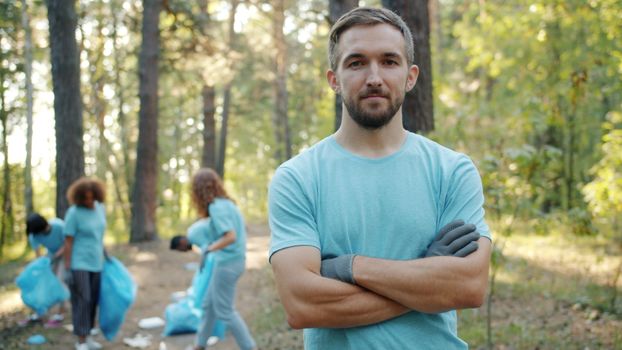
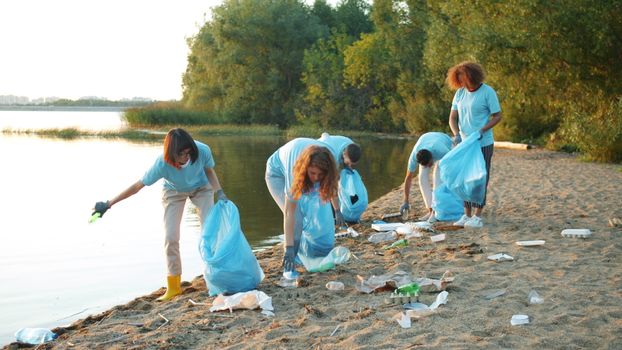
If you want your next journey to leave the earth better than you found it, these are the top wildlife corridors you can help maintain worth considering. These are not destinations where you merely snap photos from a safari vehicle; these are active, boots-on-the-ground projects where you can plant trees, track rare species, and rebuild the broken threads of our natural world.
---
1. The AMISTOSA Corridor (Osa Peninsula, Costa Rica)
``` [Corcovado National Park] │ ▼ <-- AMISTOSA Corridor (Restoration Zone) [La Amistad International Park] ```
The Mission
The Osa Peninsula holds 2.5% of the world’s biodiversity, but its forests are heavily fragmented. The AMISTOSA corridor aims to reconnect the lowland rainforests of Corcovado National Park with the montane forests of the Amistad International Park. This allows jaguars, ocelots, and spider monkeys to migrate safely across agricultural landscapes.
How You Can Help Maintain It
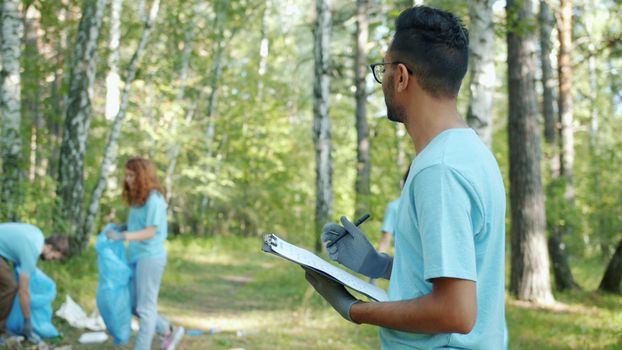
You can work alongside Osa Conservation, a powerhouse NGO dedicated to reforesting this critical zone. Volunteers don't just plant any trees; they cultivate rare, native hardwood species like the Caryocar costaricense (ajillo) in specialized nurseries, then plant them in strategic gap zones. You’ll also assist in maintaining camera traps that monitor wildlife usage of these newly created green highways.
- Insider Pro-Tip: Head to the Piro Research Station at 5:30 AM. Walk the "yellow flag" trail just as the forest wakes up. You’ll likely spot peccaries moving along the creek bed—proof that the corridor is working.
- Local Flavor: Fuel your planting sessions with gallo pinto (traditional rice and beans) seasoned with spicy Salsa Lizano at Soda Isabel in Puerto Jiménez.
---
2. Cairngorms Connect (Scottish Highlands)
``` [Abernethy Forest] ─── [Glenmore Forest] │ │ ▼ ▼ [Insh Marshes] ─── [Rothiemurchus Forest] (Rebuilding 600 sq km of continuous habitat) ```
The Mission
In the rugged heart of Scotland, a massive 200-year plan is underway. Cairngorms Connect is a partnership of neighboring land managers working to restore 600 square kilometers of wild land. The goal is to recreate a continuous, self-sustaining forest corridor from the valley floors to the high mountain plateaus, allowing species like the pine marten, red squirrel, and the critically endangered capercaillie to thrive.
How You Can Help Maintain It
The work here is rugged and incredibly rewarding. You can volunteer with the Royal Society for the Protection of Birds (RSPB) or the Scottish Wildlife Trust. Tasks include planting montane scrub—such as dwarf birch (Betula nana) and mountain willow—on high, wind-swept ridges where the forest has been lost to overgrazing. You’ll also help clear non-native sitka spruce seedlings that choke out the native Caledonian pine forest.
- Insider Pro-Tip: Skip the crowded visitor centers. Take the hidden, single-track trail behind the Glenmore Forest Park office that winds upward to the emerald waters of An Lochan Uaine (The Green Loch). It’s the perfect spot to rest your legs after a day of trail maintenance.
- Local Flavor: Warm up after a damp day in the bog with a dram of peaty, single-malt whisky at the Old Bridge Inn in Aviemore.
---
3. The Yellowstone to Yukon (Y2Y) Initiative (North America)
The Mission
Spanning a massive 3,400 kilometers from the yellow geysers of Wyoming to the sub-arctic tundra of the Yukon, Y2Y is the gold standard of landscape connectivity. It focuses on keeping the Rocky Mountains connected so grizzly bears, wolves, and wolverines can migrate without encountering highways, subdivisions, and human conflict.
``` [Yukon Territory] │ ▼ (3,400 km Mountain Corridor) [Yellowstone National Park] ```
How You Can Help Maintain It
Because Y2Y is an umbrella initiative, your hands-on help happens through local partner organizations. In the Flathead Valley of Montana or the Crowsnest Pass in Alberta, you can volunteer with groups like the Miistakis Institute or Wildsight.
You’ll participate in "Road Watch" citizen science programs, mapping wildlife sightings along highways to help engineers decide where to build wildlife overpasses. You can also join weekend work parties to pull invasive weeds like spotted knapweed, which ruin forage for migrating elk, or help landowners install electric fencing to prevent grizzly bears from getting into attractants.
- Insider Pro-Tip: If you’re volunteering near Banff, drive the Bow Valley Parkway (Highway 1A) at dawn. Keep your eyes peeled for the wildlife overpasses—they are completely closed to humans but covered in native vegetation to encourage wolves and grizzly bears to cross safely.
- Local Flavor: Stop by the Summit Grill in pass country for a slice of warm huckleberry pie—sweet, tart, and wild.
---
4. The Kinabatangan River Corridor (Sabah, Borneo)
The Mission
The Kinabatangan River is home to Bornean orangutans, pygmy elephants, and proboscis monkeys. However, massive palm oil plantations have pushed these animals into narrow strips of forest along the riverbank. When the forest breaks, elephants wander into plantations, leading to tragic conflicts. The goal here is to buy back land and plant fast-growing native trees to create a continuous riparian corridor.
``` [Palm Oil Estate] ─── [REPLANTED CORRIDOR] ─── [Palm Oil Estate] │ ▼ (Safe passage for Pygmy Elephants) [Kinabatangan River] ```
How You Can Help Maintain It
Work with KOPEL, a brilliant community-cooperative based in the village of Sukau. They run a community-led reforestation program where travelers can spend their days in the humid mud, clearing aggressive salvinia weeds from oxbow lakes and planting native pioneer tree species like Pterocarpus indicus.
- Insider Pro-Tip: Take the early morning river cruise at 6:00 AM. The mist rises off the water like steam, and you can hear the wild gibbons singing their complex duets from the canopy.
- Local Flavor: Eat dinner with your host family in Sukau; ask for Nasi Lemak wrapped in pandan leaves, served with fresh, fiery sambal.
---
5. The European Green Belt (Balkan Section)
The Mission
During the Cold War, the "Iron Curtain" was a heavily fortified, no-man's-land cutting across Europe. Ironically, this militarized zone became a sanctuary for wildlife. Today, the European Green Belt initiative is transforming this former border strip into a 12,500-kilometer ecological corridor. The Balkan section is particularly critical, linking isolated populations of the Balkan lynx, brown bears, and wolves across Albania, Kosovo, and North Macedonia.
``` [Former West Europe] ─── [THE GREEN BELT] ─── [Former East Europe] │ ▼ (12,500 km of untouched nature) [Safe Wildlife Haven] ```
How You Can Help Maintain It
You can connect with the Macedonian Ecological Society (MES) or PPNEA in Albania. Volunteers assist in monitoring the critically endangered Balkan lynx (fewer than 50 remain) by maintaining camera traps in the rugged Shebenik-Jabllanicë National Park. You can also help map old-growth forest patches and assist local shepherds in implementing non-lethal predator deterrents, like native Sharplaninac livestock guardian dogs.
- Insider Pro-Tip: Stay in the stone-built village of Vevčani in North Macedonia. Hike up to the famous Vevčani Springs, where cold mountain water gushes directly out of a limestone cave.
- Local Flavor: Try ajvar, a rich, smoky spread made from roasted red peppers and eggplant, slathered on warm, crusty bread.
---
6. The Gondwana Link (Western Australia)
The Mission
In the southwest corner of Australia, a massive ecological disaster was averted. Decades of land clearing for agriculture left the unique bushland fragmented. The Gondwana Link is an ambitious effort to restore a continuous 1,000-kilometer band of native vegetation from the wet forests of the southwest to the dry woodlands of the interior.
``` [Wet Southwest Forests] ─── [Gondwana Link Reforestation] ─── [Dry Interior Woodlands] ```
How You Can Help Maintain It
Volunteer with Bush Heritage Australia or the Fitz-Stirling group. You will get involved in direct-seeding projects, planting native proteas, banksias, and eucalyptus trees that have evolved to thrive in Australia’s ancient, nutrient-poor soils. You will also help with fauna monitoring—using pitfall traps and motion cameras to track the return of nocturnal marsupials like the woylie (brush-tailed bettong) and honey possum.
- Insider Pro-Tip: Join a night walk at the Chereninup Creek Reserve. Bring a headlamp with a red filter (white light scares the animals) to spot the tiny, nectar-feeding honey possums darting through the banksia blooms.
- Local Flavor: Grab a meat pie from the local bakery in Jerramungup, and wash it down with a cold ginger beer.
---
Quick Facts: Logistics & Budget At-A-Glance
| Corridor & Location | Best Time to Visit | Estimated Weekly Cost ($) | How to Get There | Key Partner Organization | | :--- | :--- | :--- | :--- | :--- | | AMISTOSA (Costa Rica) | Dec to April (Dry Season) | $400 - $700 (includes room/board) | Fly to San José, take a domestic flight or bus to Puerto Jiménez. | Osa Conservation | | Cairngorms Connect (Scotland) | May to September | $200 - $500 (self-catered options) | Train from Edinburgh to Aviemore, local bus to Glenmore. | RSPB Scotland | | Yellowstone to Yukon (USA/Canada) | June to September | $150 - $400 (camping options available) | Fly to Calgary (for Alberta) or Bozeman (for Montana). | Y2Y Initiative / Miistakis | | Kinabatangan (Borneo, Malaysia) | March to October | $300 - $500 (fully immersive homestay) | Fly to Sandakan, take a pre-arranged transfer to Sukau. | KOPEL Coop | | Balkan Green Belt (N. Macedonia/Albania) | May to October | $250 - $450 (guesthouse stays) | Fly to Skopje or Tirana, take local minibuses (furgons) to border towns. | Macedonian Ecological Society | | Gondwana Link (Western Australia) | Sept to November (Wildflower season) | $300 - $600 (remote camping/guesthouses) | Fly to Perth, rent a 4WD vehicle, and drive south to Albany/Fitzgerald River. | Bush Heritage Australia |
---
How to Choose Your Project (And Avoid Greenwashing)
Not all conservation trips are created equal. Before you book, ask these hard questions:
- Where does the money go? A legitimate organization will be transparent about how your volunteer fees are spent. Look for projects where funds go directly to local wages, tree nursery maintenance, or land acquisition.
- Is there a long-term plan? Planting a tree is easy; keeping it alive is hard. Ensure the organization has a multi-year management plan to water, weed, and protect the newly planted corridor areas.
- How is the local community involved? If the local people aren't benefit-sharing, the conservation model is broken. Choose projects like KOPEL in Borneo or community-run lodges in Costa Rica that provide sustainable livelihoods to former poachers or loggers.
---
The Final Connection
Back in the Osa Peninsula, on my final afternoon, we finished planting a row of ajillo seedlings along a defunct cattle pasture. My fingernails were caked in red clay, my shirt was drenched in sweat, and my back ached from hours of bending over.
As we packed up our shovels, a troop of squirrel monkeys moved through the canopy above us. They didn't cross the open ground; instead, they used a natural tree bridge we had worked to protect. One by one, mothers with tiny babies clinging to their backs leaped across the gap, disappearing into the safety of the deep forest.
It was a small victory, but in the grand design of global wildlife corridors, every single tree matters. When we help maintain these vital paths, we aren't just saving individual animals—we are keeping the heartbeat of our wild planet steady. Pack your boots, find a project, and go make a real difference.
---