The Hook: Why I Walked Away from Prague’s Charles Bridge
I stepped off the night train into the crisp morning air, my boots clicking against damp, uneven cobblestones that had been laid down before Columbus ever set sail. The smell of burning oak wood and freshly baked rye bread hung thick in the mist. There were no neon signs selling cheap souvenirs, no electronic music blaring from a nearby pub, and, most importantly, not another tourist in sight.
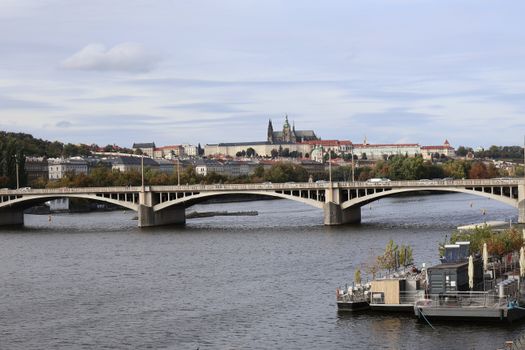
Just the year before, I had stood on Prague’s Charles Bridge at 9:00 AM, pinned against the stone balustrade by a sea of tour groups while a street performer blasted pop hits on a glass harp. It was beautiful, yes, but the soul of the place felt buried under layers of mass tourism.
That was the moment I resolved to find the places where the Middle Ages hadn't been commercialized. After years of traveling the backroads of Europe as a travel journalist, I’ve uncovered six incredibly preserved medieval towns that aren't just alternatives to Prague—they are, right now, infinitely more charming.
---
1. Quedlinburg, Germany: The Timber-Framed Time Machine
``` ▲ [Schlossberg Hill & Collegiate Church] / \ /___\ ◄--- 1,300+ Half-Timbered Houses (14th-19th Century) | | [===] ◄--- Cobblestone Alleyways ```
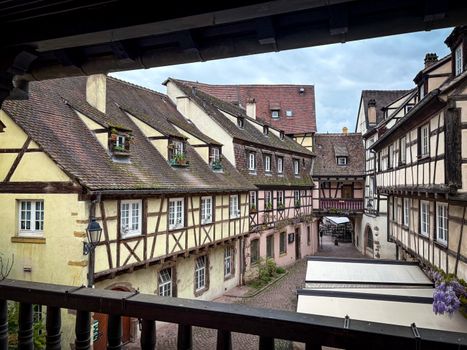
If your idea of a medieval dream involves crooked timber frames, leaning walls, and narrow alleys that look like they were drawn by Brothers Grimm, Quedlinburg is your holy grail. Located north of the Harz Mountains, this UNESCO World Heritage site boasts over 1,300 half-timbered houses spanning eight centuries.
Why it beats Prague's Old Town
While Prague has gorgeous Baroque and Gothic facades, much of it has been heavily restored. Quedlinburg is raw and authentic. The town survived World War II virtually untouched, meaning you are looking at original, centuries-old wood, not plaster reconstructions.
- The Vibe: Quiet, artistic, and deeply historic.
- The Architecture: Look for the Ständerbau (built around 1310), one of the oldest half-timbered houses in Germany. Its posts run from the foundation straight to the roof.
Insider Details & Pro-Tips
- The Hidden Spot: Walk past the main square and find the Schuhhof. It’s a tiny, enclosed courtyard once used by shoemakers. The entrance is a low, easily missed stone archway next to a local cafe.
- Pro-Tip: Visit the Collegiate Church of St. Servatius on the Schlossberg hill at exactly 4:00 PM. The late afternoon light hits the Romanesque crypt, illuminating the tombs of Henry I (the first German King) in a spectacular, eerie golden glow.
- Local Flavor: Stop by Café Finkenherd at the foot of the castle hill for a slice of Harzer Käse (a pungent local sour milk cheese) served with lard bread and a dark German lager.
---
2. Loket, Czech Republic: Bohemia’s Granite Fortress
``` +-------------------+ | Loket Castle | | (12th Century) | +---------+---------+ | ~~~~~~~~~~~~\ v /~~~~~~~~~~~~ Ohře River \===========/ Ohře River ~~~~~~~~~~~~ ~~~~~~~~~~~~ ```
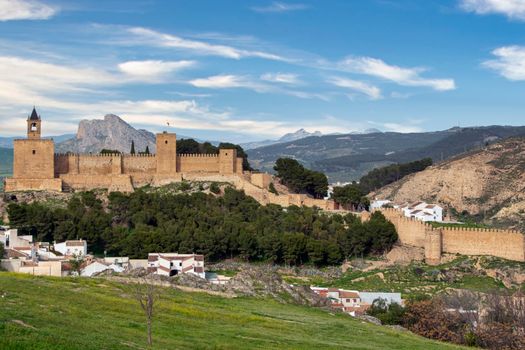
Most travelers heading to Bohemia flock to Český Krumlov, which is now almost as crowded as Prague. Instead, head northwest to Loket. The town’s name translates to "elbow," so named because it is wrapped on three sides by the dramatic, loop-like bend of the Ohře River.
Why it beats Prague's Castle District
Loket Castle is a imposing, 12th-century Gothic fortress built on a massive granite pedestal. Unlike Prague Castle, which feels like a sprawling palace complex, Loket feels like a military stronghold. It’s rugged, dramatic, and was even used as a Montenegro location in the James Bond film Casino Royale.
- The Vibe: Cinematic, misty, and adventurous.
- The Architecture: Heavy stone fortifications, cold dungeon cells, and steep wooden stairs that smell of pine and old iron.
Insider Details & Pro-Tips
- The Hidden Spot: Don't just tour the castle interior. Walk the unmarked dirt trail that runs along the southern bank of the river bend. It leads to a clearing directly opposite the castle, offering a postcard-perfect view of the town rising from the water.
- Pro-Tip: Avoid the midday day-trippers from nearby Karlovy Vary. Arrive in the late afternoon, book a room in the town square, and watch the castle light up at night when the river mist rolls in.
- Local Flavor: Eat dinner at Pivovar Florian. Order the slow-roasted wild boar with rosehip sauce, paired with their house-brewed smoked beer (nakouřené pivo).
---
3. Sarlat-la-Canéda, France: The Golden-Stone Gastronomic Dream
``` /\__/\ / o \ ◄--- Renaissance Stone Townhouses ( ==== ) \ -- / ◄--- Gas-Lit Alleyways / \ ```
Located in the black Dordogne region (Périgord Noir), Sarlat-la-Canéda is a dense maze of warm, ochre-colored sandstone buildings, slate-roofed towers, and gas-lit alleys. Because it was largely bypassed by modern industrialization, it remains one of the most representative 14th-century towns in France.
Why it beats Prague's food scene
Prague’s tourist center is notorious for mediocre, overpriced food. Sarlat is the culinary beating heart of southwest France. The air here doesn't smell of car exhaust; it smells of truffles, roasting walnuts, and seared duck breast.
- The Vibe: Indulgent, romantic, and sensory.
- The Architecture: French Renaissance meets medieval Gothic, characterized by steep, heavy stone roofs (lauzes).
Insider Details & Pro-Tips
- The Hidden Spot: Seek out the Lanterne des Morts (Lantern of the Dead). It’s a bizarre, bullet-shaped 12th-century stone tower behind the cathedral. Its exact historical purpose remains a mystery, but standing beside it at dusk is incredibly atmospheric.
- Pro-Tip: Skip the crowded Saturday market. Instead, visit the covered market housed inside the former Sainte-Marie Church (reimagined by architect Jean Nouvel) on a quiet Thursday morning. Ride the hidden panoramic elevator inside the church tower for 360-degree views of the slate roofs.
- Local Flavor: Grab a table at Cacao et Chocolat for a hot chocolate infused with local walnuts, or indulge in a plate of pommes de terre sarladaises (potatoes fried in duck fat with garlic and wild porcini mushrooms).
---
4. Rye, East Sussex, England: The Cobblestone Smuggler's Sanctuary
``` [St. Mary's Church] | [Mermaid Street] ◄--- Timber-framed inns & steep cobbles | [The River Rother] ```
Perched on a hill overlooking the salt marshes of East Sussex, Rye was once a prominent member of the Cinque Ports, defense outposts crucial to the English crown. Today, it is a beautifully preserved cluster of timber-framed merchant houses, steep cobblestone streets, and secret passages once used by notorious smuggling gangs.
Why it beats Prague's crowded alleys
Prague’s Golden Lane is charming, but you have to pay an admission fee to walk down it with hundreds of other people. Rye’s Mermaid Street is completely free, entirely functional, and lined with genuine 15th-century homes with quirky names like "The House Opposite" and "The House with the Seat."
- The Vibe: Cozy, literary, and maritime.
- The Architecture: Black-and-white half-timbering, sagging rooflines, and leaded glass windows.
Insider Details & Pro-Tips
- The Hidden Spot: Climb the narrow, wooden ladders inside the tower of St. Mary's Church. It houses the oldest functioning church turret clock in the country. The view from the top stretches across the red roofs all the way to the English Channel.
- Pro-Tip: Book a room or a dinner table at The Mermaid Inn (rebuilt in 1420). Ask the staff to show you the secret priest hole behind the fireplace in the Dr Syn Lounge, which was used by the Hawkhurst Gang of smugglers to escape the King's customs men.
- Local Flavor: Head down to the quay and buy a fresh dressed crab or a pint of local cider at The Standard Inn.
---
5. Certaldo Alto, Italy: The Red-Brick Tuscan Secret
``` +-----------------+ | Palazzo | | Pretorio | ◄--- Red-brick battlements +--------+--------+ | | ◄--- Funicular railway link +--------+--------+ | Certaldo Basso | +-----------------+ ```
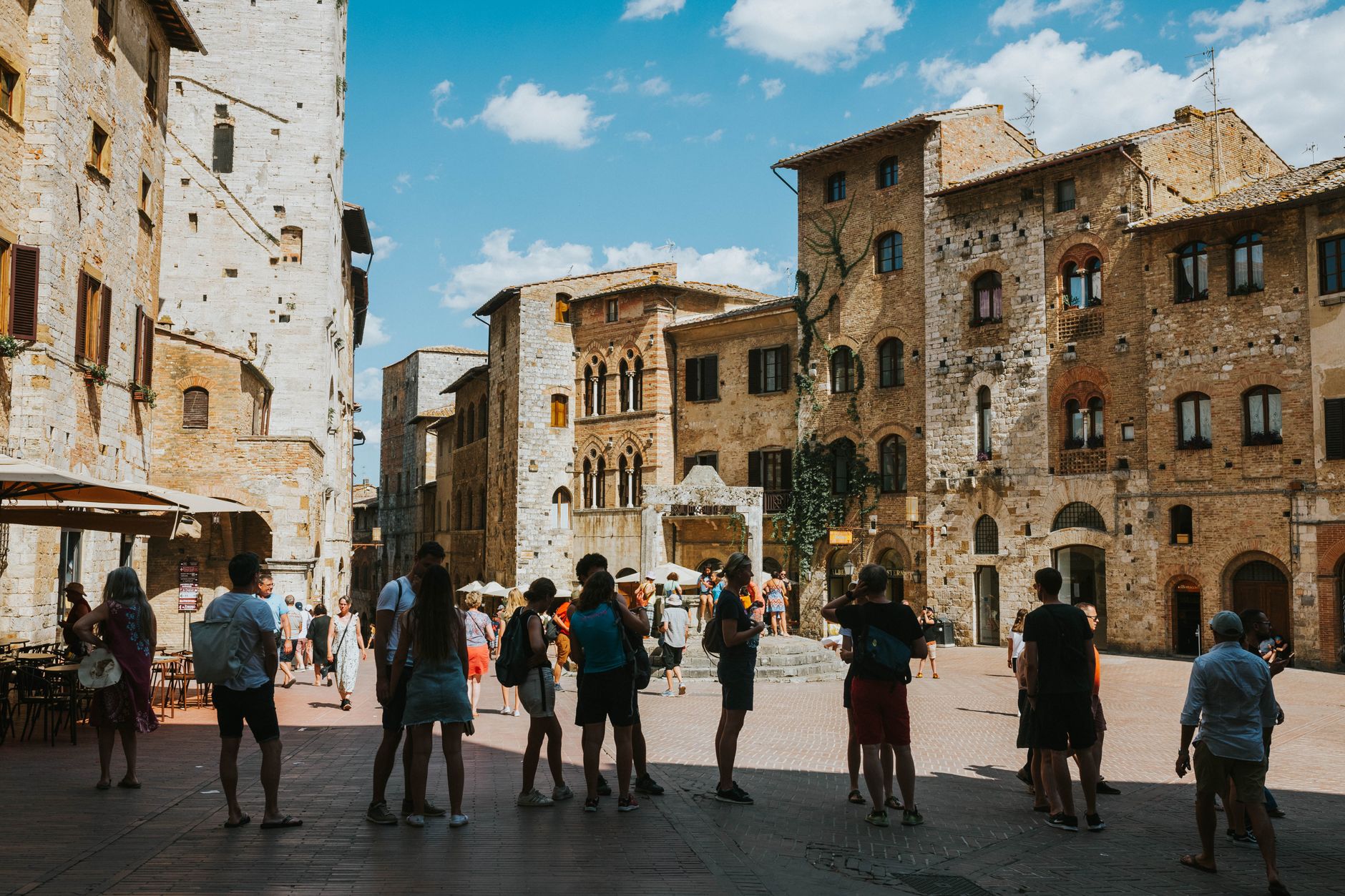
While tourists choke the streets of San Gimignano to buy award-winning gelato, savvy travelers look across the Elsa Valley to Certaldo Alto. Built entirely of deep-red terracotta brick, this hilltop citadel was the home of Giovanni Boccaccio, author of The Decameron.
Why it beats Prague's astronomical clock crowds
In Prague, you stand in a massive crowd to watch a clock move for 45 seconds. In Certaldo Alto, you can sit on the stone steps of the 12th-century Palazzo Pretorio, listening to the wind rustle through the olive groves below, with almost no one else around.
- The Vibe: Sun-drenched, rustic, and poetic.
- The Architecture: Warm, unadorned red brick, crenellated battlements, and interior courtyards decorated with glazed ceramic coats of arms.
Insider Details & Pro-Tips
- The Hidden Spot: Enter the house of Boccaccio (Casa del Boccaccio). Climb the tower inside the house for an unobstructed view of the Tuscan hills, framed by the dark cypress trees.
- Pro-Tip: Take the funicular up from the modern lower town (Certaldo Basso), but walk down at sunset via the steep, brick-paved path called Costa Alberti. The bricks turn a brilliant fire-orange as the sun dips below the horizon.
- Local Flavor: Taste the Cipolla di Certaldo—a sweet, red onion celebrated since the Middle Ages (it’s even on the town’s coat of arms). Try it as a sweet jam paired with local Pecorino cheese.
---
6. Monsanto, Portugal: The Village Built Between Giants
``` O O ◄--- Giant Granite Boulders / \ / \ [_______] ◄--- Stone Cottages / \ ```
Perched on a steep mountain slope in eastern Portugal near the Spanish border, Monsanto looks like something out of a high-fantasy novel. The village was built directly into, under, and around massive granite boulders, some of which weigh hundreds of tons and serve as the roofs and walls of the local cottages.
Why it beats Prague's Vyšehrad
Vyšehrad offers great views of Prague, but Monsanto offers a surreal integration of human habitation and raw nature. It was voted "the most Portuguese village in Portugal" in 1938, preserving its unique stone-hewn identity from modern commercial development.
- The Vibe: Mystical, rugged, and ancient.
- The Architecture: Granite masonry seamlessly blending with natural geological formations.
Insider Details & Pro-Tips
- The Hidden Spot: Hike past the village to the ruins of the Templar Castle at the very top of the hill. Along the path, look for the medieval rock-cut tombs (sepulturas escavadas na rocha) dating back to the early Middle Ages.
- Pro-Tip: Wear sturdy hiking boots. The paths are steep, slick granite, and there are no handrails. Visit in late spring when wild lavender grows between the boulders, filling the air with a sweet, herbaceous scent.
- Local Flavor: Eat at Petiscos & Granito, a restaurant literally built under a giant boulder. Order the alheira (a traditional Portuguese game sausage) paired with a glass of robust red wine from the Beira Interior region.
---
Budget & Logistics: Quick Facts
| Town | Est. Daily Cost ($) | Best Time to Visit | How to Get There | | :--- | :--- | :--- | :--- | | Quedlinburg, Germany | $90 - $130 (Moderate) | September - October | Train from Leipzig (approx. 1.5 hours) | | Loket, Czech Republic | $70 - $100 (Budget-friendly) | May or September | Bus or train from Prague (approx. 2 hours) | | Sarlat, France | $120 - $170 (Moderate) | June or September | Fly to Bordeaux, rent a car (approx. 2.5 hours drive) | | Rye, England | $140 - $190 (Premium) | April - June | Train from London St Pancras via Ashford (approx. 1 hour) | | Certaldo Alto, Italy | $100 - $140 (Moderate) | September - November | Direct regional train from Florence (approx. 50 minutes) | | Monsanto, Portugal | $80 - $115 (Budget-friendly) | May or October | Rent a car from Lisbon (approx. 3 hours drive) |
---
The Verdict: How to Choose Your Next Medieval Escape
- If you want fairytale timber frames and rich German history, head to Quedlinburg.
- If you want rugged castles and hearty Bohemian food without Prague's crowds, choose Loket.
- If you are a foodie who loves golden stone and truffles, Sarlat is your paradise.
- If you love smuggler history, cozy pubs, and cobblestones, book a trip to Rye.
- If you want Tuscan romance, red-brick views, and quiet nights, escape to Certaldo Alto.
- If you want mind-bending architecture integrated with nature, explore Monsanto.
Prague will always be a crown jewel of Europe, but the true magic of travel lies in discovery. Step off the beaten path, leave the crowds behind, and let these six medieval wonders transport you back in time.
---