Beyond the Astronomical Clock: Why Your Soul Craves the "Other" Europe
I stepped off the regional train in Quedlinburg, and the first thing that hit me wasn't the sound of a tour guide’s megaphone. It was the smell of damp limestone and wild rosemary wafting from a kitchen garden. My boots didn't click on polished, tourist-trodden pavement; they thudded against uneven, 600-year-old river stones that felt like they were vibrating with history.
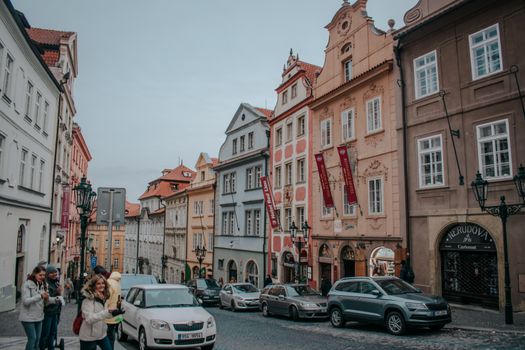
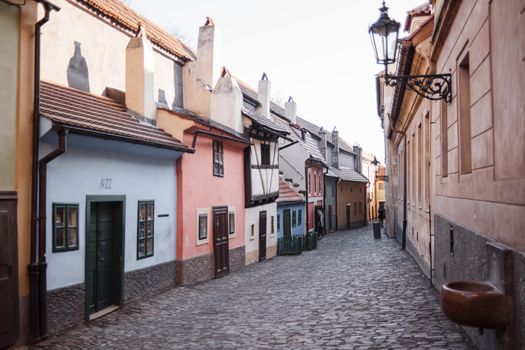
Don't get me wrong—I love Prague. I’ve spent weeks wandering the Malá Strana. But there comes a point where the "Disneyfication" of a city robs it of its ghost. When every second shop sells cheap Russian nesting dolls (which aren't even Czech, by the way), the magic evaporates.
If you want to feel like you’ve actually stepped through a temporal rift into the 14th century, you have to look where the big tour buses don't fit. Here are the definitive medieval towns more charming than Prague travel advisors suggest.
---
1. Quedlinburg, Germany: The Cradle of a Nation
While everyone else is fighting for elbow room on the Charles Bridge, you could be lost in a labyrinth of 1,300 half-timbered houses. Quedlinburg isn't just a town; it’s a living museum of Fachwerk architecture.
The Vibe: It feels like a Brothers Grimm illustration come to life. The houses lean toward each other across narrow alleys, their timber frames painted in oxblood red and sage green.
- The Insider Secret: Skip the main square for lunch. Head to Schlossberg 16. It’s a tiny cafe where they serve Käsekuchen (cheesecake) so light it defies gravity.
- Pro-Tip: The "Abbeys" on the hill offer the best views, but the real magic is in the Münzenberg district. It’s a "town within a town" built on the ruins of a monastery.
2. Sighisoara, Romania: The Gritty Heart of Transylvania
Travel advisors often push Brasov, but Sighisoara is the real deal. This is one of the few inhabited medieval citadels in Europe. People actually live, shop, and go to school within these 12th-century walls.
The Vibe: It’s colorful, slightly eerie, and utterly intoxicating. The houses are painted in vibrant ochre, dusty pink, and sky blue.
- The Insider Secret: Everyone climbs the Clock Tower. Instead, find the Scholars' Stairs (Scara Scolarilor). It’s a covered wooden staircase built in 1642. At the top, you’ll find the Church on the Hill and a cemetery that is hauntingly beautiful at dusk.
- Pro-Tip: Visit the International Blues Festival if you’re there in spring. Hearing soulful guitar riffs bouncing off Gothic stone walls is a core memory waiting to happen.
3. Dinan, France: The Breton Time Capsule
Forget the crowds of Mont Saint-Michel. Dinan, located in Brittany, is the most perfectly preserved medieval town in France. It sits high above the Rance River, protected by 1.8 miles of stone ramparts.
The Vibe: Smells like salted caramel crepes and old parchment. It’s steep, rugged, and fiercely Celtic.
- The Insider Secret: The Rue du Jerzual is the most famous street, but it’s a calf-killer. Walk down it to the port of Dinan, then grab a bottle of local dry cider and watch the boats.
- Pro-Tip: Look for the "hidden" Maison du Gouverneur. It’s one of the oldest houses in town (15th century) and often hosts local weavers.
4. Ghent, Belgium: The "Cooler" Older Brother of Bruges
Bruges is the "Venice of the North," but Ghent is the city that actually works for a living. It has all the canals and Gothic spires of Prague, but with a rebellious, artistic edge.
The Vibe: High-energy, student-driven, and architecturally jaw-dropping. The Graslei and Korenlei quays are the most beautiful harbor fronts in the world.
- The Insider Secret: Don't just see the Ghent Altarpiece (The Adoration of the Mystic Lamb). Go to the Patershol district. It’s an old leather-tanners' quarter that is now the culinary heart of the city.
- Pro-Tip: Ghent is best seen at night. The city has a world-class lighting plan that illuminates the monuments without the harsh glare of modern streetlights. It’s pure cinematic gold.
5. Tallinn, Estonia: Where Hanseatic Meets High-Tech
Tallinn’s Old Town is a UNESCO masterpiece. While Prague feels Baroque and expansive, Tallinn feels Hanseatic and fortified. It’s a cluster of red-tiled roofs and defensive towers that look like they were designed for a fantasy epic.
The Vibe: A mix of Danish, German, and Russian influences. It’s clean, incredibly digital-friendly, and feels like a secret the rest of the world hasn't quite caught onto yet.
- The Insider Secret: Skip the "Olde Hansa" tourist restaurant. Instead, find III Draakon in the Town Hall cellar. There are no lights (only candles), no forks (you drink your soup from the bowl), and you have to fish your own pickles out of a barrel. It’s cheap, loud, and brilliant.
- Pro-Tip: Walk to the Patkuli viewing platform at 6:00 AM. You’ll see the sun rise over the Gulf of Finland and the spires of the city simultaneously.
6. Toruń, Poland: The Red-Brick Gothic Masterpiece
Krakow gets the glory, but Toruń—the birthplace of Copernicus—is a red-brick Gothic marvel that escaped the destruction of WWII almost entirely.
The Vibe: It smells like ginger and cinnamon. Seriously. Toruń is the gingerbread capital of the world.
- The Insider Secret: The Leaning Tower of Toruń isn't just a photo op. Legend says if you can stand with your back against the wall, heels touching, and arms outstretched without falling forward, you are a person of upright character. (Spoiler: It’s harder than it looks).
- Pro-Tip: Eat at Jan Olbracht Browar Staromiejski. It’s a brewery inside a medieval tenement. Order the pierogi and the smoked plum beer.
7. Kotor, Montenegro: The Fjord-Side Fortress
If Prague had a baby with the Norwegian fjords, it would be Kotor. This limestone-heavy town is tucked into a corner of the Adriatic that feels like the edge of the world.
The Vibe: Dramatic mountains, Venetian-style palaces, and a lot of cats. The town is famous for its feline residents who lounge on every sun-drenched stone.
- The Insider Secret: Don't just walk the town. Hike the 1,350 steps to the Castle of San Giovanni. Do it at 7:00 AM before the sun hits the mountain face, or you’ll melt. The view of the Bay of Kotor from the top is better than any postcard.
- Pro-Tip: Find the "hidden" entrance to the Ladder of Kotor—a zig-zagging trail outside the city walls that takes you to a tiny, abandoned stone chapel where a local farmer often sells goat cheese and rakija.
---
Logistics & Quick Facts: Planning Your Escape
| Town | Best Time to Visit | Estimated Daily Cost ($) | Nearest Major Airport | | :--- | :--- | :--- | :--- | | Quedlinburg | Dec (Christmas Markets) | $90 - $120 | Berlin (BER) | | Sighisoara | September | $50 - $70 | Cluj-Napoca (CLJ) | | Dinan | June | $130 - $160 | Rennes (RNS) | | Tallinn | May or September | $100 - $140 | Tallinn (TLL) | | Ghent | Late August | $120 - $150 | Brussels (BRU) | | Toruń | October | $60 - $80 | Warsaw (WAW) | | Kotor | May or October | $80 - $110 | Tivat (TIV) or Dubrovnik (DBV) |
---
The Verdict: Why These Towns Win
Prague is a "must-see," but these towns are "must-feels." They offer a tangible connection to the past that isn't mediated by a velvet rope or a $20 entry fee. They are the places where you can still hear the echo of a blacksmith’s hammer or find a tavern that has been serving the same stew since the Renaissance.
Stop listening to the "top 10" lists curated by people who haven't left the tourist trail. Grab a rail pass, pack a light bag, and find the soul of Europe in the shadows of these incredible medieval walls.
---