The Hook: Where the Pavement Ends, the Adventure Begins
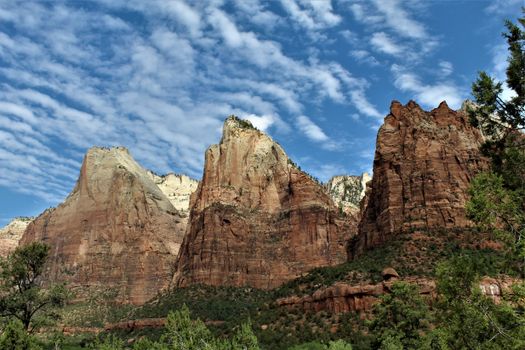
I stepped off the low-emission electric shuttle at Zion’s Temple of Sinawava and didn't hear the usual screech of brakes or the chaotic chatter of crowds. Instead, I heard the crisp, rhythmic crunch of crushed limestone under a pair of balloon-tired, off-road track chairs, accompanied by the deep, earthy scent of damp sandstone and ponderosa pine.
For decades, "accessible travel" in national parks meant staring at a spectacular view from behind a double-paned visitor center window or rolling along a flat, 100-yard asphalt loop that felt more like a highway rest stop than the rugged wilderness.
But this year, a quiet revolution is taking place.
A handful of pioneering parks are discarding the basic compliance checklists. They are designing immersive, multi-sensory wilderness experiences where travelers of all abilities can touch the ancient red rock, navigate rugged backcountry terrain, and feel the spray of waterfalls on their faces.
This is not about retrofitting old trails with concrete; it is about rewriting what it means to explore. Here are the five national parks leading the charge with accessibility initiatives that go far beyond standard requirements this year.
---
1. Great Sand Dunes National Park, Colorado, USA
Conquering the Impossible Terrain with High-Tech Sand Chairs
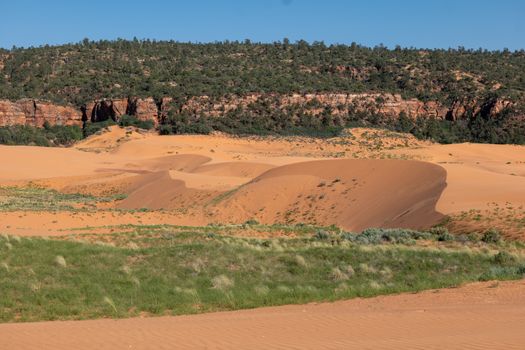
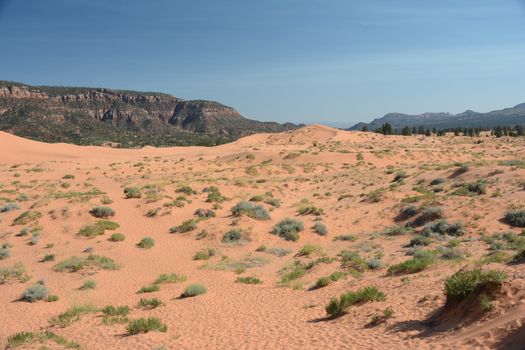
If you have ever tried to push a standard wheelchair through dry, fine sand, you know it is a quick recipe for getting stuck. Yet, Great Sand Dunes National Park—home to the tallest dunes in North America—has systematically dismantled this barrier.
``` [ Visitor Center ] | (Mobi-Mat Accessible Pathway) | [ Medano Creek Transition Zone ] / \ [ Dune-Saddled Track Chair ] [ Balloon-Tired Sand Chair ] ```
The park has invested heavily in a fleet of specialized, non-motorized and motorized sand-track wheelchairs. These machines look like a cross between a moon rover and a high-end mountain bike. They feature wide, balloon-like tires and heavy-duty tank tracks designed to glide effortlessly over the shifting, fine-grained quartz sands.
The Sensory and Tactile Experience
Beyond the physical chairs, the park’s geologic story has been translated into an interactive, multi-sensory journey. At the visitor center, you can run your hands over 3D-molded tactile maps that trace the dramatic contours of the Sangre de Cristo Mountains.
For neurodivergent visitors, the park offers specialized sensory kits containing noise-canceling headphones, fidget tools, and visual schedule guides to help navigate the unique auditory landscape of the dunes, where wind howling over the ridges can create a deep, humming acoustic phenomenon.