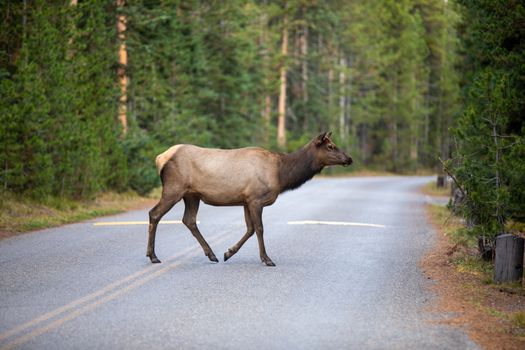
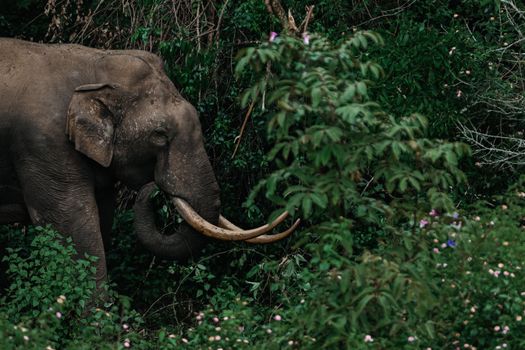
Roads, farms, towns and dams can divide natural landscapes into smaller patches, making it difficult for animals to travel between areas they depend on. Wildlife corridors are strips of land or structures that reconnect these habitats, allowing movement for feeding, breeding and genetic exchange. Many corridors are maintained by conservation groups, landowners and public agencies, and visitors can play a part in protecting them. This guide explains how corridors work, what visitors should know and how to contribute responsibly.
What wildlife corridors are
A wildlife corridor is a connected area of habitat that enables animals to move between larger natural areas. Corridors can be forested strips, hedgerows, river valleys, wetlands or grasslands. Some are created or improved with structures, such as underpasses, overpasses and fencing designed to guide animals safely across roads.
Corridors matter most for species that roam widely, such as large mammals, or for animals that need seasonal movement between breeding and feeding grounds. Without connection, populations can become isolated, which may reduce genetic diversity and increase vulnerability to disease or local events.
Why corridors need protection
Corridors are often narrow and vulnerable. Development, traffic, unmanaged vegetation and new fencing can cut them off. Even a short section that is blocked can prevent movement across an entire landscape. For this reason, planning authorities, landowners and conservation organizations often work together to protect key links.
Maintenance is equally important. Invasive plants can crowd out native species, and litter or artificial light can deter animals. Ongoing care helps corridors remain useful over time.
How visitors can enjoy corridor areas responsibly
Many corridors are on public or private land that welcomes walkers, cyclists and nature lovers, though some sections are closed to protect sensitive periods. Check signage and official guidance before visiting. Stay on marked paths, keep dogs on leads where required and avoid entering areas that are fenced or restricted.
Observe wildlife from a distance and never feed animals. Feeding changes behavior, can cause illness and may draw animals toward roads. Keep noise to a minimum, particularly at dawn and dusk, when many species are most active.
Respecting seasonal sensitivities
Breeding and rearing seasons are especially sensitive. Nesting birds, young mammals and amphibians migrating to ponds may be vulnerable to disturbance. Some corridors have temporary closures or seasonal restrictions to protect these periods. Follow posted notices, and be prepared to change your route if necessary.
Lighting at night can disorient wildlife. If you are staying nearby, use dimmed lights and closed curtains where practical, and avoid shining torches into vegetation.
Ways to support corridor conservation
Visitors can contribute in several practical ways. Joining a volunteer day to remove invasive plants, plant native species or clear litter can make a direct difference. Citizen science projects, such as wildlife camera networks or sightings surveys, provide data that helps managers plan improvements. Donations to established conservation trusts, membership schemes and guided walks run by reputable organizations also provide steady funding.
Before volunteering, confirm that the project is organized by a recognized group with appropriate training, safety measures and insurance. Ask how long commitments last and what skills are useful.
Supporting corridors from home
If you cannot visit, you can still help. Support policies that protect habitat connectivity, such as careful road planning and the inclusion of wildlife crossings in new infrastructure. Share accurate information about corridors and encourage responsible behavior in your community. Choose products and services from businesses that support habitat protection where such options are available.
Be cautious of unverified claims about corridor projects. Check official sources or established conservation organizations before donating.
Practical tips
Plan your visit around opening hours and seasonal closures, and check current trail conditions, since flooding and vegetation growth can affect access. Wear sturdy footwear, bring water and carry a map or offline navigation. Keep binoculars or a camera with a telephoto lens so you can watch animals without approaching them.
Pack out everything you bring in, including food scraps and tissues. If you find an injured animal, contact the local wildlife rescue service rather than attempting to handle it yourself.
Common mistakes to avoid
A frequent error is stepping into a corridor or crossing structure to get a closer look at an animal. Even a short detour can disturb movement and cause stress. Another is flying drones over corridor areas without checking the rules, since they can disturb wildlife and may be restricted. Some visitors assume that every green strip is open to the public, when parts of a corridor may be private or closed for conservation. Others treat wildlife crossings, such as overpasses or underpasses, as places to linger or play, which can interfere with the animals they are meant to serve. On volunteer days, it is easy to plant non-native species in good faith, which can crowd out the natives that the corridor is intended to support. Asking the organizers what to plant, and where, avoids this problem.
Who this suits and who it doesn't
Corridor visits can suit walkers and nature watchers who enjoy quiet observation, birdwatching and gentle exploration of a landscape. They often appeal to volunteers interested in habitat work, surveys or citizen science, and to families who can keep children calm and close to the path. They may be less suitable for people who expect guaranteed wildlife sightings, or who need step-free paths and facilities at every point. Dog owners should check local rules, since some sections require leads or prohibit dogs during sensitive seasons. People with limited mobility should confirm the surface and distance of routes before setting out.
Frequently asked questions
Are wildlife corridors always open to visitors? No. Many are open, but some sections are closed or restricted, especially during breeding or rearing seasons. Check signage and official guidance before you go.
Can I bring my dog? It depends on the site and the season. Some areas require dogs to be kept on leads, while others restrict access entirely to protect sensitive habitats. Read the local rules first.
Do I need training to volunteer? It depends on the task. Some roles, such as litter picking, need little preparation, while surveys or habitat work may require training. Ask the organizer what is involved and what support is provided.
Wildlife corridors are a quiet but essential part of keeping landscapes connected and resilient. Visitors who follow access rules, respect seasonal restrictions and support conservation work help ensure that animals can keep moving through the places people share with them. A careful visit can be both enjoyable and genuinely useful to the wildlife that depends on these links.